
The Sci-Fi Promise: Awe and Big Ideas
Science fiction trailers sell a sense of wonder and intellectual curiosity. Their structure is often a slow burn that builds from a place of mystery. It might start with a cryptic line of dialogue or a shot
of a desolate, alien landscape. The goal is to pose a question: What is this place? Who are we? What is happening to our world? The first act of a sci-fi trailer introduces this core concept, using quiet, atmospheric music and deliberate pacing. As the trailer progresses, the scale expands. We move from intimate human moments to wide shots showcasing breathtaking technology or vast cosmic phenomena. The editing remains controlled, prioritizing visual grandeur over frenetic action. The music swells from a simple piano melody into a full orchestra, but the cuts are clean, allowing the audience to absorb the spectacle. The final moments don't rely on a jump scare but a "wow" shot—a full reveal of a majestic starship, a glimpse of a breathtaking alien civilization, or a character staring into a mind-bending abyss. The promise isn't just excitement; it's the promise that you are about to see something you've never imagined before.
The Horror Formula: Dread and Release
Where sci-fi builds wonder, horror manufactures dread. The structure of a horror trailer is all about manipulating rhythm and tension. Many begin by establishing a false sense of normalcy: a happy family, a group of friends on vacation, a child playing. This idyllic peace is quickly shattered by a single unsettling event—a door creaking open on its own, a child's creepy drawing, a strange noise in the dark. From there, the trailer becomes a masterclass in psychological warfare. The editing uses a pattern of escalating tension and sudden release. Quick, jarring cuts show glimpses of terror, often obscured or just out of focus, forcing your imagination to do the heavy lifting. Sound design is paramount; moments of complete silence are punctuated by a deafening slam or a piercing scream. Unlike sci-fi's orchestral score, horror often uses dissonant strings, creepy children's songs, or a slow, distorted version of a familiar tune. The structure follows a pattern of introducing a rule and then showing it being broken, leading to terrifying consequences. The trailer ends not with a grand reveal, but with a final, unavoidable scare designed to make you jump in your seat.
The Superhero Blueprint: Spectacle and Stakes
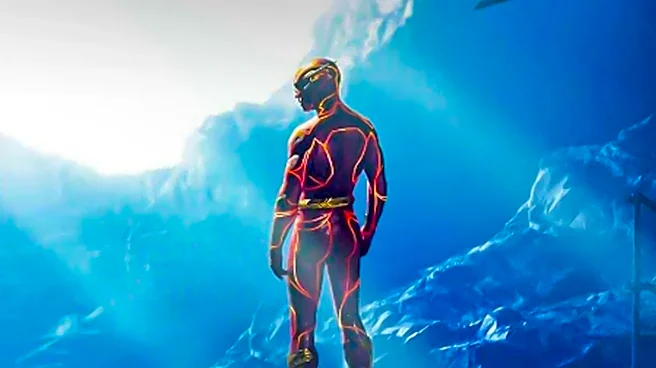
Superhero trailers have a different job. The audience often knows the hero, so the trailer's role is to sell the new threat and the unprecedented scale of the conflict. The structure is built around escalating spectacle. It typically opens by re-establishing the hero, often showing them in a moment of reflection or conflict. Then, the villain is introduced, usually through a menacing monologue that lays out their world-ending philosophy. What follows is a rapid-fire montage. Fast cuts showcase the key action set pieces: heroes assembling, powers being unleashed, and cities crumbling. The music is almost always a propulsive, beat-heavy track that builds relentlessly. Unlike horror, which hides its monster, or sci-fi, which teases its concept, the superhero trailer puts its best assets front and centre. It promises a fight of epic proportions, intercut with just enough character moments to remind you of the human stakes. The trailer almost always ends in one of two ways: a breathtaking final money shot of a massive battle or a witty, comedic line to release the tension and send the audience out with a smile.
When the Genres Collide
Of course, these formulas are made to be broken—or, more often, blended. A film like "Alien" is a sci-fi movie that uses a pure horror trailer structure. Many modern superhero films, especially those dealing with cosmic threats, borrow heavily from the awe-and-wonder playbook of sci-fi trailers before shifting into a more traditional action-heavy climax. Similarly, a thriller from a director known for horror might use a horror structure to sell a story that is technically a crime drama. The rise of subgenres like cosmic horror means editors are increasingly mixing the dread of horror with the grand scale of sci-fi. The tools and structures are ultimately in service of the story's core emotion. Understanding these different languages helps reveal the specific feeling a filmmaker is trying to sell you in those two-and-a-half minutes.