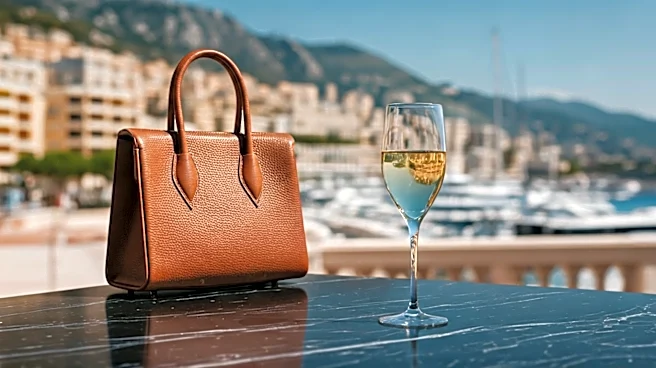

The New Rules of Trackside Glamour
For decades, the Monaco Grand Prix has been Formula 1’s most glamorous stop, a place where celebrity, royalty, and finance collide against the glittering backdrop of the French Riviera. The unofficial
dress code was simple: more is more. Sequins for day, towering heels on cobblestone streets, and logos large enough to be seen from a neighboring superyacht. But a palpable shift is underway. The new pinnacle of taste, as seen on the circuit's most stylish attendees, isn’t about peacocking; it’s about a finely tuned, almost severe, restraint. This isn’t the end of luxury at Monaco; it’s a recalibration of what luxury looks and feels like in the 2020s. The new status symbol isn't a loud print, but a perfect silhouette; not a flashy logo, but the unmistakable drape of a fabric only a few can identify.
Chanel and Celine's Royal Endorsement
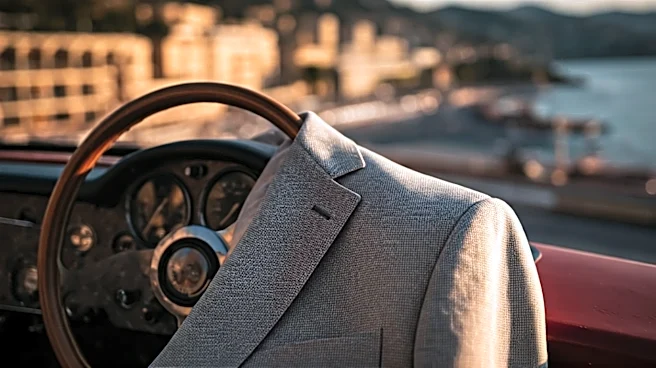
Nowhere was this new mood more evident than in the style of Monaco's own royal family. Princess Grace's granddaughter, Alexandra of Hanover, became the poster child for this aesthetic. She appeared not in a dramatic gown, but in a quintessential Chanel tweed jacket paired with simple jeans—a masterclass in high-low dressing. The look was sophisticated, effortless, and deeply chic. The Chanel jacket, a timeless emblem of French style, requires no logo for its status to be known. Later, she was seen with a Celine Triomphe bag, another icon of minimalist luxury. It’s a choice that speaks volumes, favoring classic design and heritage over fleeting trends. This is the core of the new Monaco restraint: wearing pieces that are profoundly expensive and exclusive, yet communicate that value through cut, quality, and cultural cachet rather than overt branding.
The Quiet Luxury Playbook
The brands named in this quiet revolution—Chanel, Hermès, and Celine—are the holy trinity of what’s been dubbed “quiet luxury.” They have built empires on the principle of timelessness and insider appeal. Hermès, for instance, thrives on the idea that its most coveted items are not just bought, but earned through a relationship with the brand. An attendee might wear a pair of simple leather Hermès Oran sandals, a subtle nod that carries more weight among the cognoscenti than a logo-splashed sneaker. Similarly, the enduring appeal of Celine, particularly the minimalist aesthetic perfected by former creative director Phoebe Philo, is about clean lines and impeccable tailoring that project confidence without needing to shout. These brands offer a uniform for those who wish to signal their status to other members of the club, not to the world at large. The message is, “If you know, you know.”
Why Subtlety Is the New Superyacht
So why is this happening now? The shift reflects a broader cultural fatigue with the ostentatious displays of wealth that defined the influencer era. After years of social media feeds saturated with logo-mania and manufactured perfection, there's a growing appreciation for authenticity and longevity. In a world of fast fashion and fleeting digital trends, investing in a beautifully crafted, logo-free blazer or a classic leather bag feels like a more permanent, and frankly, more powerful statement. At an event like the Monaco Grand Prix, where old money has always mingled with the new, this restrained aesthetic acts as a subtle filter. It separates the long-term players from the fleeting spectators. In this context, a simple, perfectly cut jacket from a legendary Parisian maison isn’t just an item of clothing; it's a quiet declaration of taste, knowledge, and belonging that no amount of noise can replicate.