
1. Winning Is the National Mandate
For some countries, winning isn’t a dream; it’s the baseline expectation. Think of Brazil, with its record five titles, or Germany, with four. In these nations, the World Cup is woven into their modern
identity. A poor showing isn't just a sporting failure; it’s a national crisis that prompts soul-searching and government-level inquiries. For Brazilians, the flair and joy of o jogo bonito (the beautiful game) is a cultural export, and winning is its ultimate validation. For Germans, the methodical, relentless efficiency of Die Mannschaft reflects a prized national trait. When you’re raised believing that your country should be in the final, it creates a psychological edge that’s hard to manufacture.
2. The Sport Is a Way of Life
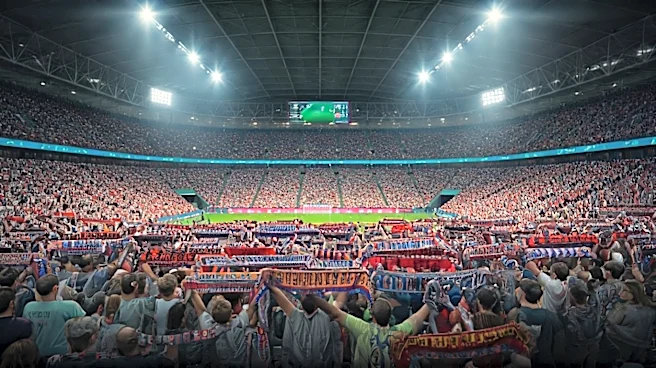
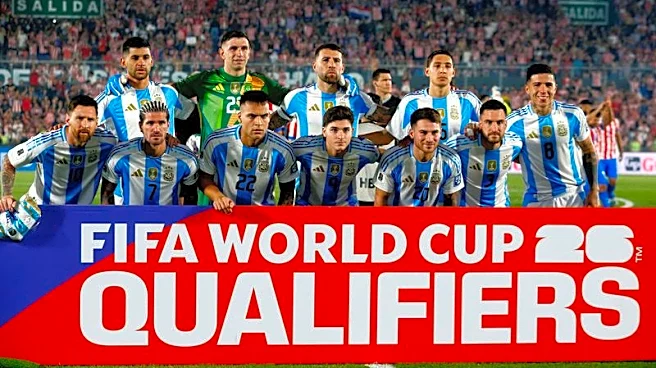
In the U.S., we have fierce debates over whether LeBron or Jordan is the GOAT. In Argentina, the argument over Diego Maradona and Lionel Messi is a quasi-religious schism that can divide families. For countries like Argentina, Italy, and Uruguay, soccer isn't a hobby; it’s a cultural language. It dictates the rhythm of the week, fuels neighborhood rivalries that are centuries old, and provides a framework for understanding the world. Kids don't just sign up for organized leagues; they play in the streets, parks, and beaches, fostering a creative, unstructured love for the game from birth. When the national team plays, the country doesn’t just stop to watch—it stops to breathe, hope, and suffer together.
3. The Talent Pipeline Is an Industry
Luck produces a golden generation; systems produce consistent excellence. Nations that feel “built” for the World Cup have created industrial-strength talent pipelines. Spain’s victory in 2010 was the culmination of a philosophy perfected at clubs like Barcelona, whose La Masia academy trained the core of that team. The Netherlands, despite never winning, consistently punches above its weight thanks to the revolutionary “Total Football” philosophy and the legendary Ajax youth system, which has been copied worldwide. These systems identify promising children as young as six or seven and immerse them in a professional environment, ensuring a steady flow of technically gifted, tactically intelligent players ready for the world stage.
4. Powerful Domestic Leagues Keep the Fire Burning
While the World Cup happens every four years, the passion is stoked weekly in powerhouse domestic leagues. England’s Premier League, Spain’s La Liga, and Italy’s Serie A are global spectacles that keep soccer at the center of the national conversation. These leagues are where heroes are made and rivalries are forged. A player doesn't just appear on the national team; fans have watched them grow up, succeed, and fail for their club. This creates a deep, year-round investment in the sport’s key figures and storylines. Even if the national team is in a slump, the constant, high-stakes drama of club football ensures the population remains deeply engaged and knowledgeable, ready to ignite when the World Cup comes around.
5. History Provides the Blueprint
Success breeds success. When a country has a rich World Cup history, its players don’t just carry the weight of expectation; they also inherit a blueprint for how to handle it. A young German player can look to the legends of Franz Beckenbauer and Gerd Müller. An aspiring Italian defender studies the unbreachable legacies of Paolo Maldini and Fabio Cannavaro. This history creates a culture of mentorship and a tactical identity that passes from one generation to the next. It tells players, “This is how we do it here.” That deep well of past glory provides a sense of calm and belief in moments of immense pressure, when other teams might crack.