




The Myth: A Sprint-Fest of Madmen
To the casual observer, a high-pressing team can look like a hornet’s nest that’s just been kicked. Players sprint toward the ball, close down opponents with ferocious speed, and generally seem to be operating at a hundred miles per hour. The commentary
often reinforces this perception, praising a team’s “work rate” and “energy.” The logical conclusion seems simple: pressing is a tactic for the young, the fit, and the tireless. It's a system built on out-running and out-hustling the other team, substituting brute force for tactical finesse. This view sees pressing as a blunt instrument, a physical contest of wills where the team that covers the most ground wins the day.
The Reality: A Coordinated Hunt
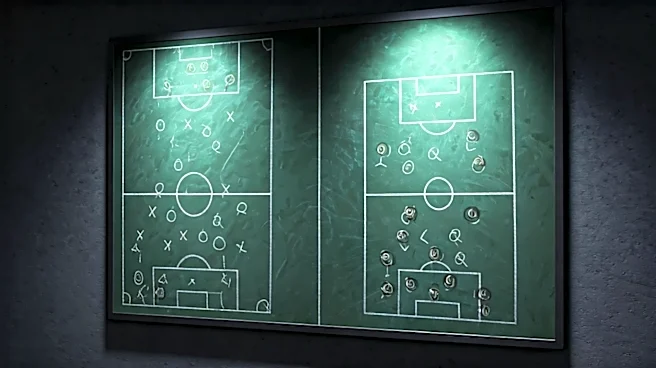
The truth is that a successful press is one of the most intellectually demanding systems in modern sports. It’s less like a frantic chase and more like a pack of wolves coordinating a hunt. Instead of one player running blindly at the ball, a true press involves a series of synchronized movements designed to constrict space, eliminate passing options, and force a turnover in a specific, advantageous area of the field. If one player presses, the players behind them must move in unison to cover the newly opened space and cut off the easy escape passes. It’s a chain reaction. A single player running hard on their own is not pressing; they’re just chasing, and in doing so, they are likely abandoning their position and making their team *easier* to attack. The goal isn’t just to win the ball, but to win it while the team maintains a solid, organized defensive shape.
The Secret Weapon: Pressing Triggers
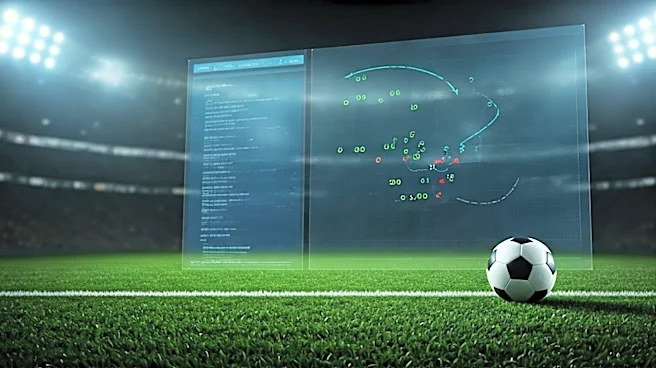
What separates chaotic running from a world-class press is the concept of “triggers.” Teams don’t just press constantly; that would be physically impossible and tactically suicidal. Instead, they wait for specific cues to initiate the hunt. A trigger could be a defender receiving a pass with their back to the field, unable to see the pressure coming. It could be a slow, looping pass between center-backs, giving the attackers time to close in. Or it might be a player taking a poor first touch. When that trigger occurs, it’s a green light for the entire team to snap into the press. This shared understanding is drilled into players relentlessly in training. They learn to read the same signals at the same time, ensuring the press is launched with maximum surprise and coordination. Without triggers, it’s just jogging. With them, it’s a weapon.
Covering Shadows, Not Just Ground
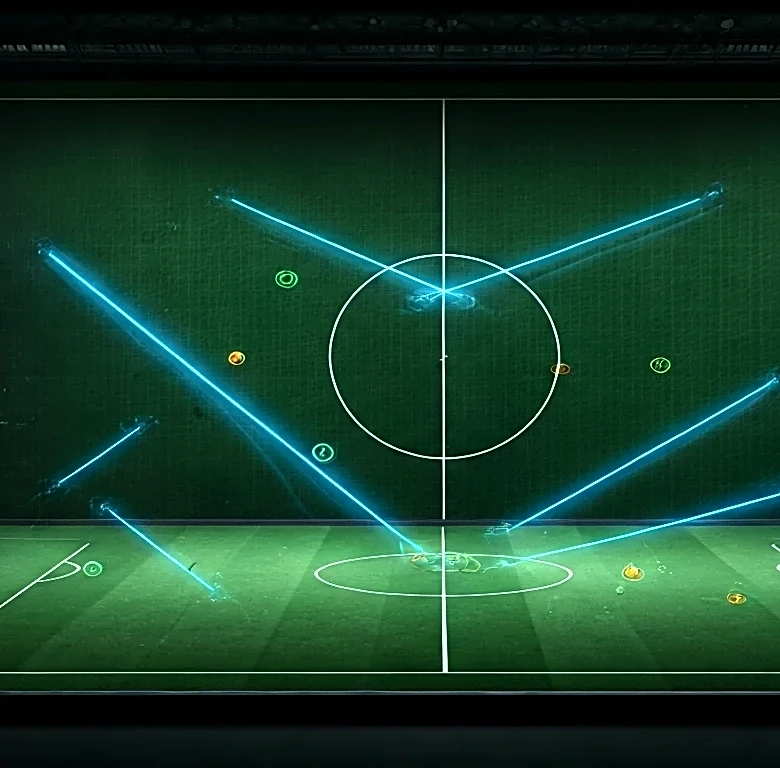
Another common misconception is that the player closest to the ball is the only one working. In a great pressing system, the most important work is often done by players 10 to 20 yards away from the action. While one forward applies direct pressure on the ball-carrier, their teammates aren’t just watching; they are moving to positions that block the most likely passing lanes. This is called “covering a shadow.” By positioning themselves correctly, they can effectively remove two or three opponents from the play without ever getting near them. The opponent on the ball looks up and sees no safe options, forcing them into a mistake, a long hopeful ball, or a turnover. This intelligent positioning requires incredible awareness and tactical discipline. It’s often the subtle, unseen run to block a lane that truly creates the turnover, not the final, lunging tackle.
The High-Stakes Gamble
So, if pressing is so smart, why doesn’t every team do it all the time? Because it’s a high-risk, high-reward strategy. When it works, it’s devastating. A team can win the ball 30 yards from the opponent's goal with the defense completely disorganized—a perfect recipe for a quick score. This philosophy, famously termed *Gegenpressing* or counter-pressing by German coaches like Jürgen Klopp, treats the moment after losing the ball as the best time to create a chance. However, if the press is broken—if the opponent is skilled enough to pass through the initial wave of pressure—the pressing team is left incredibly vulnerable. Players have pushed high up the field, leaving huge gaps in their own defense for the opposition to exploit. It’s a tactical knife fight, and one wrong step can be fatal.