





The Concrete Catwalk
What was once a mundane commute from the team bus to the locker room is now one of the most scrutinized stages in pop culture. Flanked by photographers and documented for millions on social media, athletes in the NBA, WNBA, and beyond are turning this
brief walk into a powerful display of personal branding. Forget team-issued warmups; today’s arrivals feature custom couture, archival designer pieces, and looks from emerging brands that ignite online conversations before the first whistle blows. This isn't just about looking good—it's a calculated performance, a modern red carpet where style defines an athlete’s identity just as much as their stats. Every outfit tells a story, making the tunnel a must-watch moment where fashion and sport collide.
From Dress Codes to Designer Drip
The roots of this phenomenon are deeper than you might think. While stylish pioneers like Wilt Chamberlain set an early precedent, the modern tunnel walk was ironically supercharged by a moment of restriction. In 2005, the NBA implemented a controversial dress code mandating business-casual attire, a move many saw as a direct response to the hip-hop-influenced style of stars like Allen Iverson. This attempt to control player image backfired, sparking a creative rebellion. Players like Dwyane Wade and LeBron James began to treat the dress code not as a rule, but as a challenge, transforming compliance into a high-fashion statement. Aided by the explosion of Instagram and dedicated accounts like League Fits, what began as quiet defiance evolved into a full-blown cultural movement.
A Runway for the People?
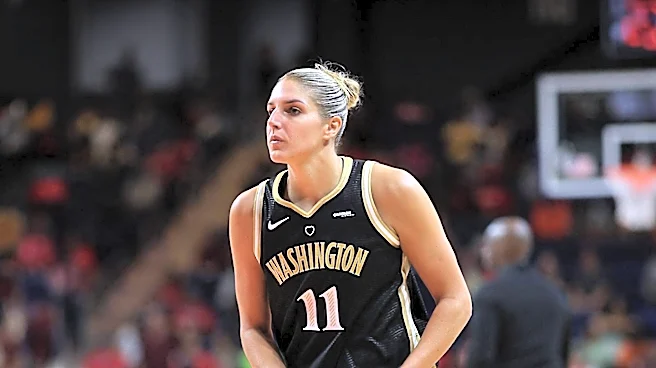
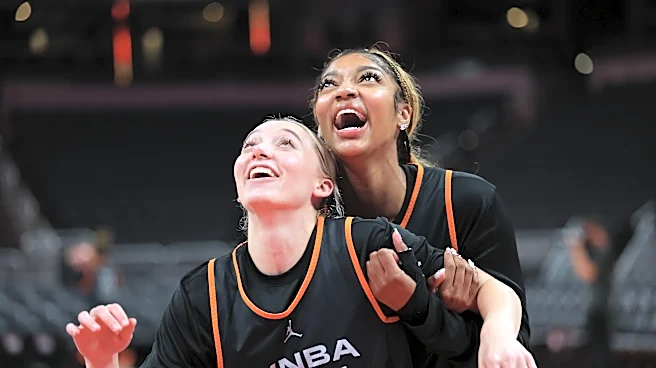
The headline’s claim of a “democratic runway” holds some truth. Unlike the exclusive world of high fashion, the tunnel is open to any player, rewarding personal expression over industry connections. It celebrates a range of styles, from the avant-garde risks of Kyle Kuzma to the clean, classic minimalism of Devin Booker. More importantly, it has become a vital platform for the WNBA, where players are finally getting their due as style icons. Stars like A’ja Wilson and Angel Reese use the tunnel to express their identity and build their brands, driving a surge in viewership and attracting major brand partnerships like Skims. But the democracy has its limits. The most talked-about looks are often the result of professional stylists who work directly with luxury brands loaning out expensive pieces, creating a new, albeit different, form of exclusivity.
The New Icons of Style
A new class of athlete has emerged, known as much for their wardrobe as for their athletic prowess. In the NBA, Oklahoma City Thunder guard Shai Gilgeous-Alexander is widely considered the king, mixing luxury, streetwear, and vintage without ever seeming to try too hard. Others, like the 7'4" Victor Wembanyama, have embraced their unique physique, becoming a canvas for brands like Louis Vuitton. But the WNBA is arguably the most dynamic space right now. The league's stars are using fashion as a tool of empowerment, showcasing everything from hyper-feminine looks to androgynous streetwear. This individuality is precisely what makes the WNBA tunnel so compelling; it's a celebration of personal stories and proof that these athletes are cultural figures in their own right.
The Business of the Walk
Behind the flashbulbs is a sophisticated economic engine. A single viral tunnel walk can cause searches for a specific brand to spike overnight and turn a small independent designer into a global name. Social media platforms like TikTok, where the #NBATunnel hashtag has hundreds of millions of views, amplify this effect, creating a direct line between an athlete’s outfit and consumer desire. For the athletes, this is about more than just a paycheck; it's about building an authentic personal brand that can lead to lucrative endorsements, signature product lines, and a career that extends far beyond their playing days. They have become some of the world's most effective influencers, blurring the lines between athlete, celebrity, and entrepreneur.