


Thinking Beyond Basic Illumination
At Burning Man, light is not just a utility; it's a language. On a functional level, it prevents you from becoming a "darkwad"—the unflattering term for an unlit person or cyclist who poses a genuine collision risk on the pitch-black playa. Every participant
is expected to be illuminated for safety. But camp lighting is different. It’s not just about being seen; it’s about creating a destination. While basic fairy lights and solar garden stakes can mark a perimeter, they do little to give a camp a unique identity. A truly transformed camp uses light to establish a mood, provide a beacon for navigating home, and turn a patch of dusty ground into an inviting environment. This requires moving past simple, static brightness and embracing dynamic, controllable color and form.
The Answer: Programmable LED Strips
The single element that offers the most transformative power is the programmable, weatherproof LED strip light. Often sold under names like RGBIC or addressable LEDs, these are not your average Christmas lights. Each individual LED (or small cluster of LEDs) on the strip has its own microchip, allowing you to control its specific color and brightness independently from the others. This technology is what allows for flowing gradients, complex patterns, and mesmerizing animated effects that a standard RGB strip—where the whole strip must be the same color at once—can't replicate. When properly powered and deployed, these strips can paint your camp with light, giving it a signature look that stands out across the playa.
Why This System Changes Everything
The impact of a programmable LED system is threefold. First, it creates identity. By programming a unique color scheme or a slow, signature animation, your camp becomes an unmistakable landmark. Instead of telling friends to “look for the blue lights,” you can tell them to “look for the shifting purple and orange flow.” This makes finding your way back infinitely easier in a visually noisy environment. Second, it allows for total mood control. You can set a soft, warm, slowly pulsing amber for a chill morning coffee vibe and switch to a vibrant, sound-reactive, multi-color chase effect for a nighttime dance party, all from a remote or phone app. Finally, it offers superior ambient illumination. When placed strategically—lining the top edge of a shade structure, for example—these strips provide broad, diffuse light that illuminates the entire space without the harsh, blinding glare of a few powerful spotlights. This makes the environment more comfortable and safer to navigate.
How to Plan Your System
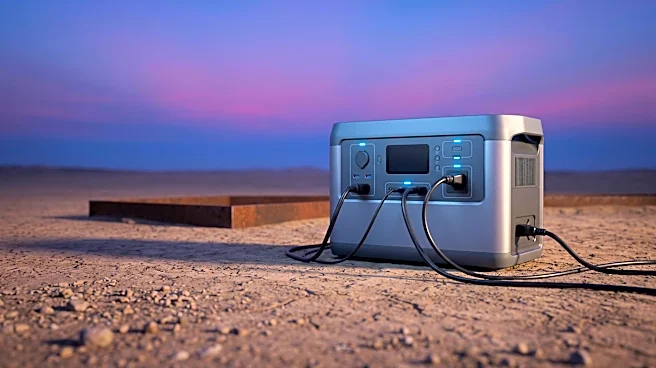
Implementing this isn't as simple as plugging something into a wall. Power is your primary consideration. Incandescent lights are huge power hogs and should be avoided. LEDs are far more efficient, but a large, bright installation still requires a robust power source. You'll need a solar generator or a deep-cycle battery system capable of running your lights for at least 10-11 hours overnight. Calculate the wattage of your chosen strips and ensure your power supply can handle the load. For durability, look for strips with an IP65 rating or higher, which signifies they are dust-tight and protected from water jets. This is essential for surviving the alkaline dust and potential rain. Finally, think about control. App-based systems offer the most flexibility, allowing you to design and save complex scenes, while simpler remote-controlled versions are often more rugged and straightforward to use when your phone is dead or packed away.