

What Is Bias Cutting, Anyway?
Before we time-travel, let's talk technique. Most fabric is cut along the straight grain, either lengthwise or crosswise. It’s efficient and predictable. Bias cutting throws that out the window. The technique involves cutting the fabric at a 45-degree
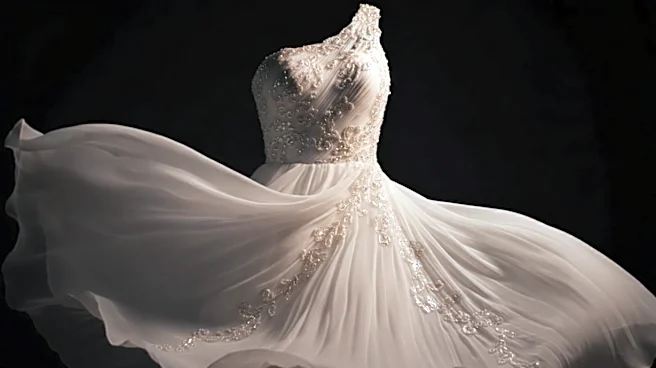
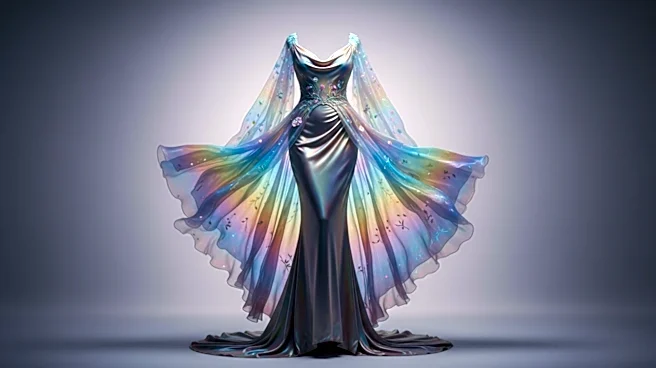
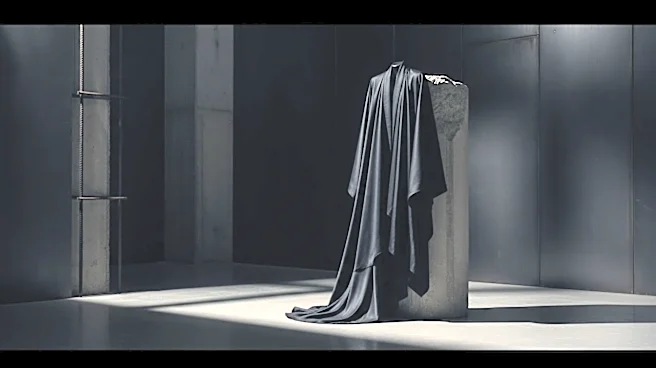
angle to the grain. This diagonal slice makes woven fabric, even non-stretchy materials like silk or satin, behave in a totally new way. It gains a natural elasticity and a liquid-like drape that allows it to cling, skim, and flow over the body’s curves rather than restricting them. It's a simple concept with a revolutionary result: fabric that moves with the wearer, creating a silhouette that is both fluid and form-fitting.
The 1930s 'Goddess' Revolution
The Roaring Twenties had a boyish, tubular silhouette, but the 1930s brought curves back. At the forefront of this shift was Parisian couturier Madeleine Vionnet. While she didn't technically invent the bias cut, she was the first to use it for entire garments, transforming it from a minor detail into a design signature. Her gowns, often described as Grecian or statuesque, seemed poured onto the wearer. They created a long, lean, and sinuous silhouette that was utterly modern and celebrated the natural female form without the need for corsets. Hollywood’s Golden Age stars, like Jean Harlow and Greta Garbo, embraced this new 'goddess' look on screen, cementing the bias cut as the decade's peak of glamour and sensual elegance.
From Hollywood Glamour to Middle-earth
So how did a technique for creating slinky evening wear become the go-to for fantasy epics? The very qualities that made bias-cut gowns magical in the 1930s made them perfect for evoking the otherworldly. Costume designers tasked with creating looks for elves, queens, and sorceresses needed a visual language that felt ancient, graceful, and not quite of this world. The bias cut’s fluid drape provides exactly that. It moves with an ethereal quality that suggests a character is unburdened by the normal rules of gravity and tailoring. It feels timeless precisely because it doesn't conform to the rigid lines of most historical clothing, making it the perfect choice for creating the signature look of fantasy races like the long, flowing gowns of the elves in "The Lord of the Rings."
The Fantasy Gown Hall of Fame
Once you know what to look for, you'll see it everywhere. One of the most famous modern examples is the emerald green dress worn by Keira Knightley in "Atonement." Though set in the 1930s, that gown’s impact re-ignited a passion for the bias cut in film. Look at Cate Blanchett as Galadriel in "The Lord of the Rings"; her gowns have a luminous, flowing quality achieved through masterful cutting that makes her seem to float. In "Game of Thrones," Daenerys Targaryen’s later-season gowns in white and silver often used bias principles to give her a regal, almost divine presence. These costumes aren't just clothes; they're storytelling, using a nearly century-old technique to visually communicate power, grace, and magic.