







For years, the story of modern Latin music was written as a rivalry: polished pop stars on one side, street-smart reggaetoneros on the other. But a look at the 2026 Latin Grammy nominees for Album of the Year reveals a far more exciting truth.
The Old 'Pop vs. Urbano' Playbook
For much
of the 21st century, the commercial and critical narrative of Latin music revolved around a simple, compelling face-off. In one corner stood the titans of Latin pop—artists known for soaring ballads, romantic lyrics, and broad international appeal. In the other was the ever-growing wave of 'música urbana,' a catch-all for reggaetón, Latin trap, and dembow that pulsed with the energy of the streets of Puerto Rico, Colombia, and Panama. The Latin Grammys often became a battleground where these two forces vied for supremacy, with winners signaling which sound was currently defining the culture. This dynamic was easy to understand and even easier to market. It created heroes and challengers, establishment figures and disruptors. But in 2026, this once-useful framework has become obsolete, shattered by a new generation of artists who refuse to pick a side.
The New Vanguard: Genre-Bending Nominees
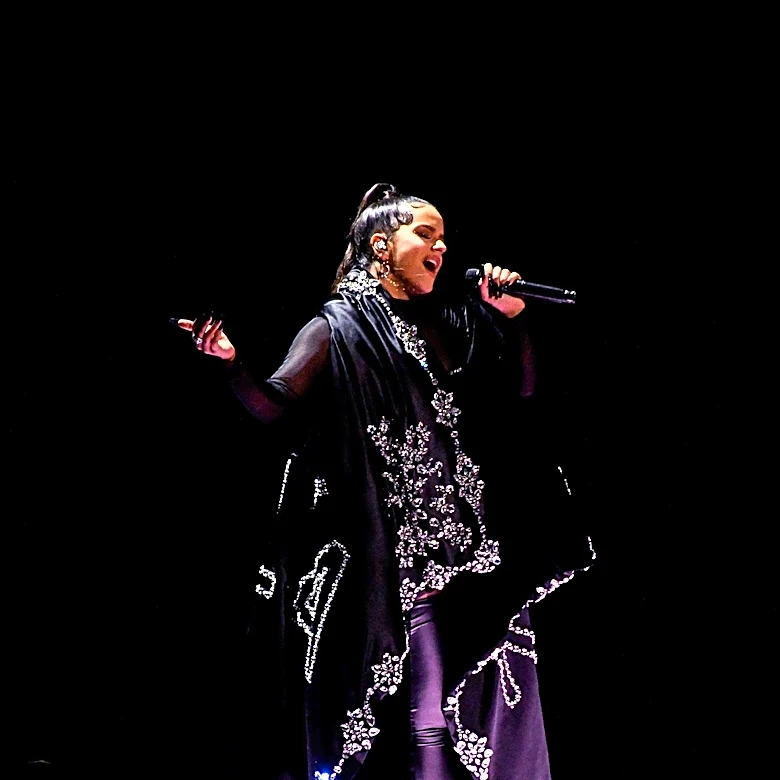
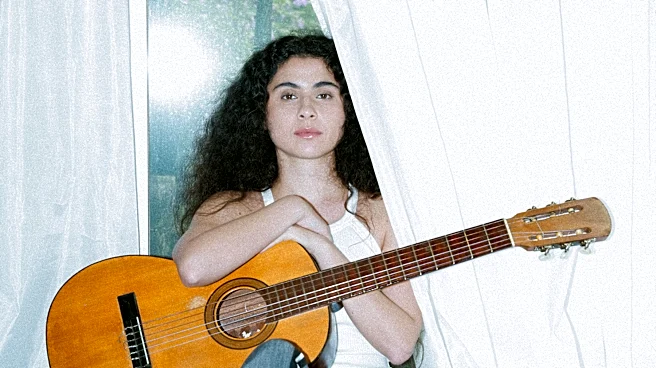
This year’s list for Album of the Year is a testament to hybridization. Take Karol G’s nomination for 'Tropicoqueta,' an album that moves past her reggaetón roots to embrace cumbia, vallenato, and merengue, creating a pan-Latin soundscape. Then there’s Rosalía, whose 'LUX (Complete Works)' continues her tradition of blending avant-garde electronica with deep-rooted traditions, this time even collaborating with regional Mexican group Yahritza y Su Esencia. These artists aren't just dabbling; they are creating cohesive artistic statements from a diverse palette of sounds. Adding to the complexity are Silvana Estrada’s 'Vendrán Suaves Lluvias,' which mixes Mexican folk with orchestral arrangements, and Jorge Drexler’s 'Taracá,' a deep dive into Afro-Uruguayan candombe rhythms. Each album serves as evidence that the most interesting work is happening in the spaces between established genres.
The Regional Mexican Revolution Goes Mainstream
Perhaps the most significant shift is the full-throated arrival of regional Mexican music—not as a niche category, but as a dominant force in the general field. Carín León's nomination for his album 'Muda' is a major indicator of this trend. For decades, música mexicana was often siloed, celebrated within its own categories but rarely breaking into the night's biggest awards. Now, propelled by the global success of corridos tumbados and artists who fuse banda and norteño with trap and pop sensibilities, the genre is at the forefront of the conversation. This isn't just about one artist's crossover appeal. It reflects a fundamental change in listening habits, where regional sounds from Mexico are as likely to appear on a global playlist as a reggaetón beat from San Juan. The nomination of producers like Edgar Barrera, who has worked extensively with both Karol G and Carín León, further highlights this cross-pollination.
Alternative and Indie Find Their Voice
The diversity isn't limited to mainstream fusions. The nomination for the Argentine duo CA7RIEL & Paco Amoroso for 'FREE SPIRITS' brings a dose of irreverent, rock-influenced hip_hop to the top category. Their success, alongside the Venezuelan band Rawayana’s nod for '¿Dónde Es El After?', proves that alternative and indie sensibilities have carved out a significant space. These acts represent a different kind of evolution, one less about blending traditional Latin genres and more about integrating a global indie ethos with a distinctly local perspective. They speak to an audience that grew up with rock en español, hip_hop, and electronic music, and sees no contradiction in combining them. This recognition from the Latin Recording Academy signals that innovation, not just commercial success, is being rewarded.