



The Living Museum of Cosplay
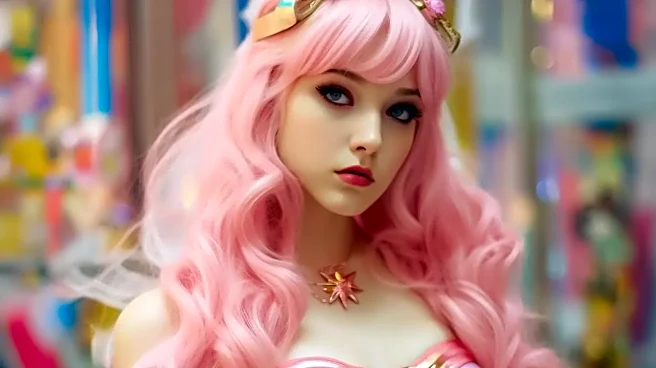
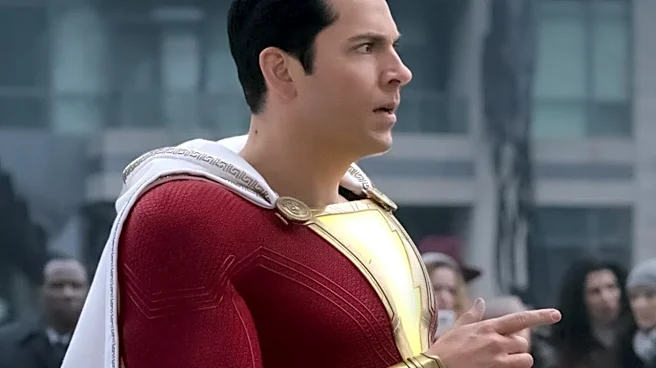
Nowhere is the reinvention of the past more vibrant than in the sea of cosplay that floods the Javits Center. While some fans strive for screen-perfect replicas of decades-old characters, the real magic happens in the reinterpretation. This year, it’s
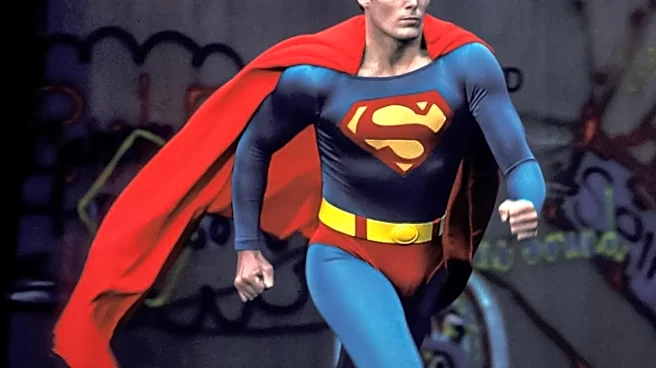
not just about wearing a classic superhero suit; it’s about creating variants, like steampunk or gothic-inspired versions of beloved icons. You might see a group of friends dressed as characters from an '80s movie, but their costumes are infused with modern crafting techniques and a 21st-century sensibility. This isn't just imitation; it's a creative dialogue with the source material. Each handmade costume is a testament to hundreds of hours of labor, turning a fan's love for a 40-year-old film or a classic anime into a tangible, wearable piece of new art. It’s a process that transforms personal nostalgia into a public performance, breathing fresh life into characters we thought we knew.
The Reunion Tour Panel
The panel schedule at NYCC 2026 reads like a masterclass in repackaging history for a modern audience. Legacy sequels and prequels are a dominant theme, with exclusive first-looks at shows like Peacock's "Crystal Lake," a prequel to "Friday the 13th," giving context to a classic villain. Panels for Marvel's "X-Men '97" and the 60th anniversary of "Star Trek" aren't just backward-looking tributes; they are forward-looking events designed to bridge generations of fans. When the cast of a show like "Smallville" reunites on stage, it does more than just trigger nostalgia. It allows creators and actors to re-contextualize their work, share behind-the-scenes stories, and officially pass the torch to new iterations, like the stars of "Superman & Lois" who are also in attendance. These panels are where a beloved but dormant franchise gets its official second act, making an old story relevant to the current cultural conversation.
More Than Just Merchandise
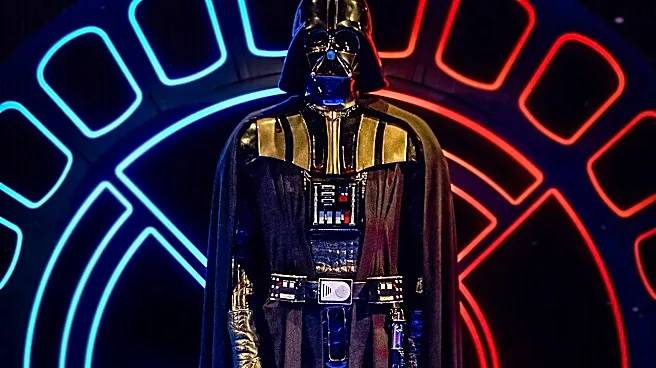
On the sprawling show floor, the past is quite literally for sale, but in a way that feels distinctly new. This isn't a dusty antique market; it's a high-gloss gallery of resurrected IP. Exclusive figurines, high-end art prints, and meticulously crafted prop replicas of items from classic films and games are everywhere. A fan isn't just buying a toy; they are acquiring a piece of validated cultural history. The presence of Hayden Christensen and Ian McDiarmid from "Star Wars" isn't just for autographs; it's tied to an entire ecosystem of merchandise that celebrates their iconic roles as hero and villain. Even the convention's theme for its 20th anniversary, a partnership with the historic Coney Island, frames the entire event as a celebration of enduring New York institutions where people have come to play for generations. This commercial layer doesn't cheapen the nostalgia; it amplifies it, signaling that these old stories still have immense value.
The Communal Memory Machine
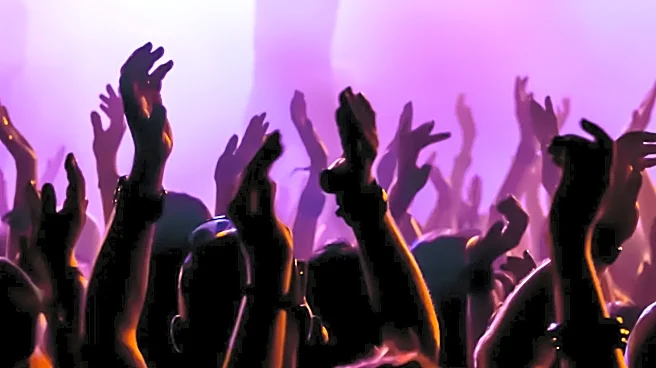
Ultimately, the true engine of renewal at Comic Con is the crowd itself. A catchphrase from a movie you watched alone as a kid is just a fond memory. But when you hear thousands of people in a packed auditorium roar that same line in unison during a panel, it becomes a living, breathing cultural moment. Event organizers refer to this as the "central nervous system for fandom that you can only really get in a live event." It's in the spontaneous fan meetups, the shared cheers during a trailer reveal, and the simple act of seeing someone across the hall dressed as a character from your favorite obscure comic. These individual expressions of love and nostalgia coalesce into a powerful collective energy. It’s this shared experience that completes the transformation, confirming that these old stories, characters, and catchphrases aren't really old at all. They’re just waiting for the right crowd to make them feel new.