



Born from Community, Not Commerce
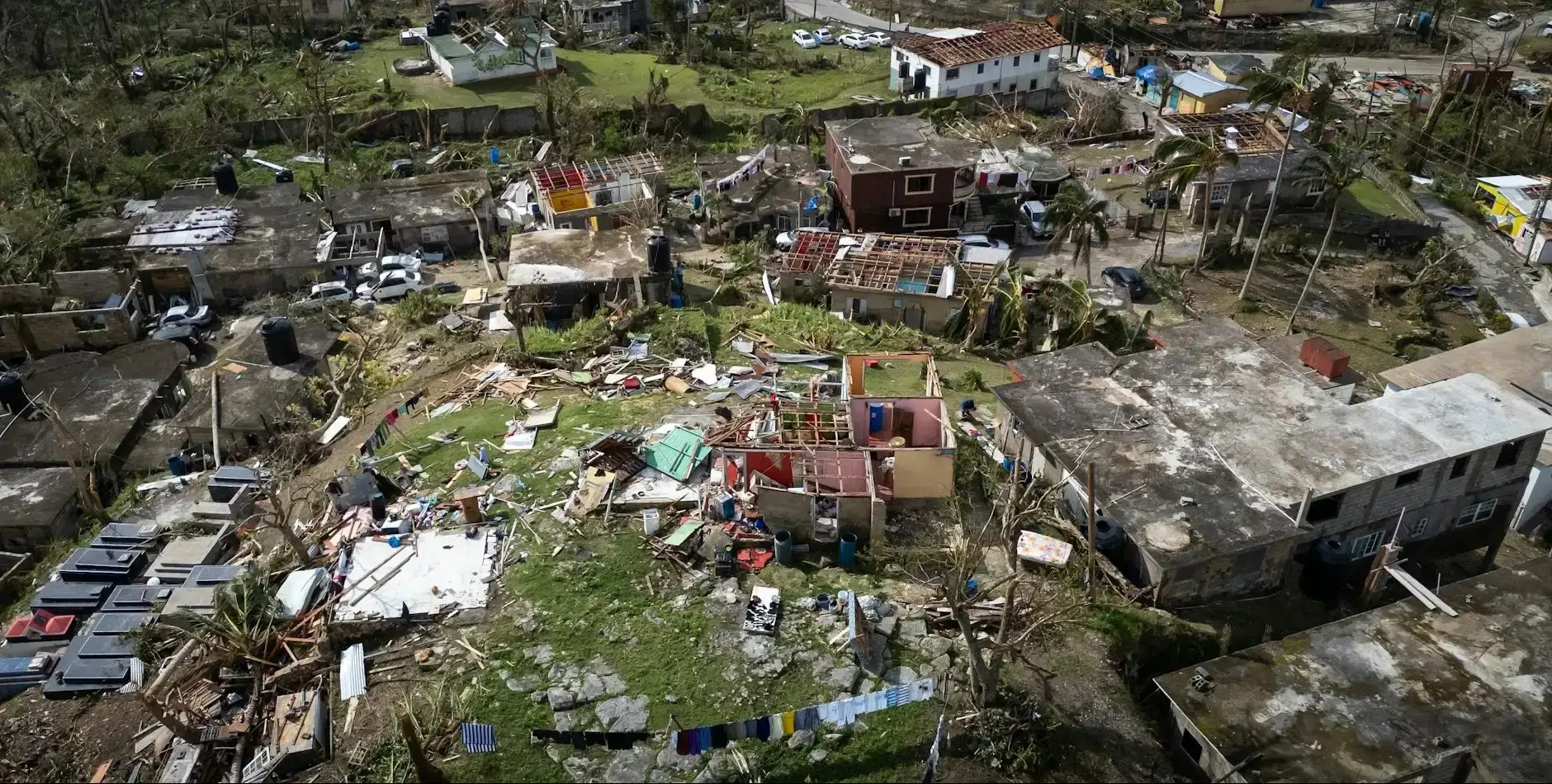
To understand Tribeca, you have to go back to its origin story. The festival wasn't conceived in a studio boardroom to sell tickets; it was founded by Jane Rosenthal, Robert De Niro, and Craig Hatkoff in 2002 as a direct response to the September 11th
attacks. Its primary mission was to help heal and revitalize Lower Manhattan. This foundational DNA is crucial. While other major festivals are built around the film market—buying, selling, and promoting—Tribeca was built around a neighborhood. That spirit endures. The goal wasn't just to premiere movies, but to bring people back downtown, to fill restaurants, and to re-energize the streets with art and culture. This gives the entire event a sense of purpose that transcends the industry itself, making the experience feel grounded and deeply human from the start.
The City as the Main Character
Hollywood hype often happens in a bubble. A premiere takes over a specific theater, a junket is confined to a hotel, and Comic-Con exists in its own self-contained universe. The location is secondary to the event. Tribeca, by contrast, is inextricably woven into the fabric of New York City. The festival's 'campus' is the city itself. Screenings are held in neighborhood theaters, talks are hosted in converted lofts, and the streets of Tribeca, Chelsea, and the Lower East Side become the unofficial lobby. You might see a filmmaker grabbing a coffee at the same deli as you, or discuss a documentary with a stranger while waiting for the subway. This integration breaks down the wall between the 'event' and 'real life.' Hollywood brings a circus to town; Tribeca invites you to explore a city through the lens of its festival, making every discovery feel organic and personal.
A Broader Definition of 'Story'
Hollywood hype is a powerful but narrow-beam light, typically focused on a handful of nine-figure blockbusters destined for global domination. The buzz is manufactured through meticulously crafted marketing campaigns designed to create a singular, unavoidable cultural moment. Tribeca’s buzz is more of a diffused glow. While it certainly features major premieres, the festival is famously platform-agnostic. It was one of the first major film festivals to seriously embrace television, virtual reality (VR), video games, and podcasting. By curating 'storytelling' in all its forms, Tribeca fosters a sense of discovery. Attendees aren't just there to see the next big superhero movie; they're there to stumble upon a powerful indie drama, an innovative VR experience, or a groundbreaking podcast. This focus on diverse and emerging forms of media creates a more personal journey for attendees, where the buzz is generated by what you unexpectedly found, not what you were told to see.
The Scale of the Conversation
Ultimately, the difference comes down to scale. The machine behind a Marvel or Star Wars release is global and impersonal, designed to generate billions of dollars. The hype feels like a top-down directive. The buzz at Tribeca feels bottom-up. It's generated in the Q&A sessions after a screening, where an audience member can ask a first-time director a deeply personal question. It's built in the lines outside the theater, where strangers bond over a shared love for a particular actor or genre. The red carpets are often more intimate, the parties less stratified. While big names are certainly present, the atmosphere prioritizes conversation over celebrity worship. It’s a festival where the 'talk' is just as important as the film, making the buzz feel less like marketing noise and more like a shared cultural experience.