


The Celebrity Headliners
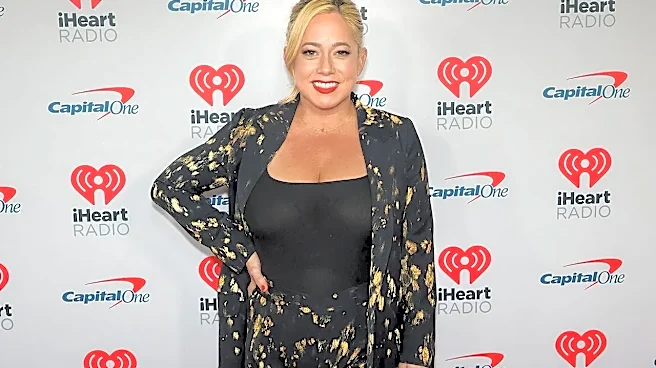
One look at the 2026 winners list confirms what listeners have felt for years: the celebrities are here, and they are winning. Amy Poehler’s “Good Hang” took home Best Comedy, while “Giggly Squad,” hosted by reality TV personalities Hannah Berner and Paige
DeSorbo, nabbed the coveted Podcast of the Year award. This isn't a coincidence. Major platforms and networks have discovered that built-in fame is the ultimate risk-reducer. Instead of gambling on an unknown creator, hiring a celebrity provides an instant audience and a familiar face (and voice) for advertisers. The trend is so pronounced that shows hosted by athletes, actors, and influencers now dominate the charts, leveraging their existing platforms on YouTube and social media to drive listenership. The awards show itself was a parade of famous presenters, from Will Ferrell to Jennie Garth, further blurring the line between a podcasting event and a traditional Hollywood ceremony.
From Audio File to Intellectual Property
The second major shift is the view of podcasts not just as standalone content but as valuable intellectual property (IP). The industry is no longer just about making a great show; it's about creating a story or concept that can be spun off into other formats. This is Hollywood’s playbook, and podcasting has become a low-cost development league for film and television. Shows like “Dr. Death,” “Dirty John,” and “Homecoming” all began as podcasts before becoming TV series. While not every award winner is destined for the screen, the potential is a key part of the industry's economic calculation. A hit podcast can prove a concept, build an audience, and attract attention from studios looking for their next big project, making the podcast itself the first step in a much larger entertainment franchise.
The Indie Question Mark
With all this talk of celebrity and big media, where does it leave the independent creators who defined podcasting’s early spirit? The iHeartPodcast Awards, hosted by one of the largest players in audio, naturally raises questions about which shows get celebrated. While categories like Best Emerging offer a nod to new talent, the major awards tend to favor shows with significant network backing or pre-existing star power. Icon awards given to established figures like Terry Gross of NPR’s “Fresh Air” and innovators like Hrishikesh Hirway of “Song Exploder” honor foundational talent, but the overall trend leans toward commercial success. This mirrors a classic entertainment industry dynamic: as a medium matures and money flows in, the scrappy upstarts often get squeezed by the polished, high-budget productions of major studios. The challenge for the industry is to maintain the diversity and creativity that made it special in the first place.
The Sound of Money
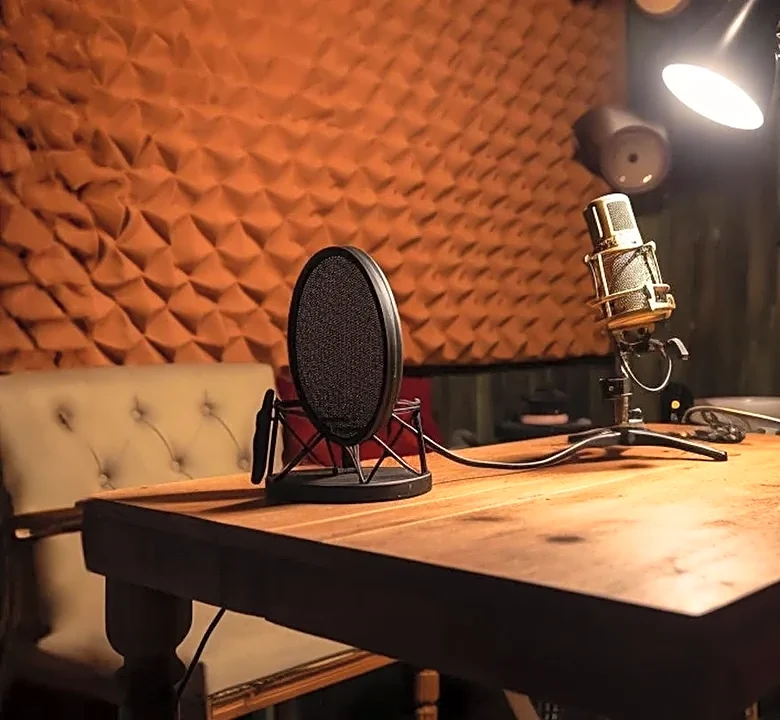
Beyond the hosts and topics, the winning podcasts signal a rising standard in production value. The era of two people talking into a single microphone in a garage is largely over for chart-topping shows. Today’s leading podcasts feature sophisticated sound design, original music, and a level of polish that rivals broadcast radio and television. This shift is also driven by the rise of video. YouTube is now a dominant platform for podcast discovery and consumption, meaning top shows are expected to have a professional video component. This push for higher quality raises the barrier to entry, requiring more resources and technical skill than ever before. It's part of the medium’s evolution from a DIY hobby into a professionalized entertainment sector, where the sound, look, and feel are all part of the package.