







The Soul of the Street
At its heart, street art is an act of rebellion and reclamation. Emerging from the graffiti movements of the 1960s and '70s, it was born in defiance of traditional art institutions and the privatization of public space. Its canvas was the city itself—subway
cars, abandoned buildings, and neglected walls. This art was ephemeral, democratic, and often deeply political, giving a voice to marginalized communities and challenging residents to see their environment differently. Its authenticity stemmed from its risk and its direct conversation with a specific place and its people. The artist wasn’t just creating an image; they were embedding a piece of commentary into the very fabric of a neighborhood.
The Rise of the Spectacle
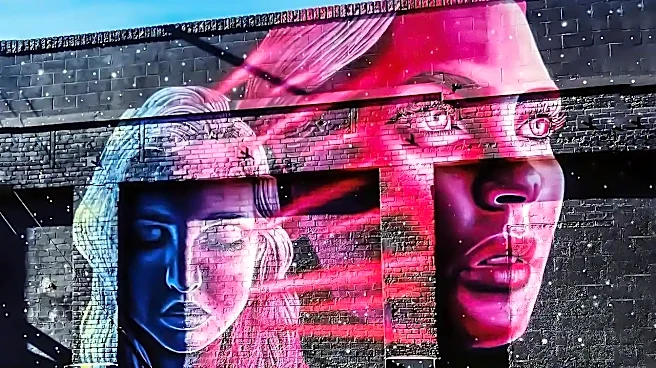
Fast-forward to today, and the aesthetic of the street has gone mainstream. What was once vandalism is now a key tool for urban branding. Cities and developers have realized the economic power of murals, using them to revitalize neighborhoods, attract tourism, and boost property values. This has given rise to the “main-stage spectacle”: large-scale, heavily curated mural festivals and corporate commissions. Brands now hire artists to create edgy, Instagrammable backdrops, and mural festivals transform entire districts into open-air galleries, drawing international talent and significant funding. For many artists, these opportunities offer financial stability, a massive audience, and a chance to work at a scale they never could illegally.
When Worlds Collide
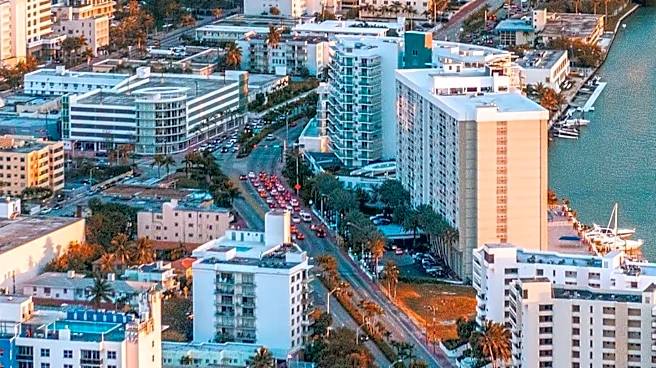
The embrace of street art by the mainstream isn't without friction. The process, often called “artwashing,” can be a double-edged sword. While murals can beautify an area, they are frequently cited as an early sign of gentrification. The vibrant, creative atmosphere draws in developers and wealthier residents, which can drive up rents and displace the very communities the art was once meant to represent. Miami's Wynwood district is a famous example, where developer-led mural projects transformed a warehouse district into a trendy hotspot, but also accelerated the pricing out of longtime residents. Critics argue this co-opting sanitizes the art form, prioritizing decorative, tourist-friendly images over raw, challenging work.
The Artist’s Dilemma
For artists, navigating this new landscape is complex. Turning down a lucrative corporate commission for a message-driven, unpaid piece is a difficult choice. Many artists who come from a graffiti background feel that working for “the system” means abandoning their ideals. Yet, others see it as a necessary evolution, a way to make a living from their craft. Some have found a balance by creating separate commercial and non-profit arms for their work, allowing them to fund community projects with corporate money. The debate over “selling out” continues, but the reality is that artists must find ways to sustain their careers, and the commercial world now offers a viable, if complicated, path.
How Authenticity Survives
So, is authentic street art dead? Far from it. The competition with the main stage forces it to evolve. As sanctioned murals become more common, the rebellious spirit of street art simply moves elsewhere. It goes smaller, becomes more pointedly political, or pops up in the neighborhoods that large-scale festivals ignore. Its power has always been its ability to adapt and react. The ephemerality of the art form is key; even a preserved piece can lose its context and, therefore, its authenticity. The true pulse of street art isn't found in the perfectly preserved festival mural, but in the ongoing, dynamic conversation happening on the ever-changing walls of the city.