



The Kinetic Ensemble as Storyteller
In 'Hamilton,' the ensemble isn't just background decoration; they are the story. They are bullets, rumors, and the relentless passage of time, constantly in motion on a revolving stage. Kail's direction gives the ensemble a purpose in every scene, physically
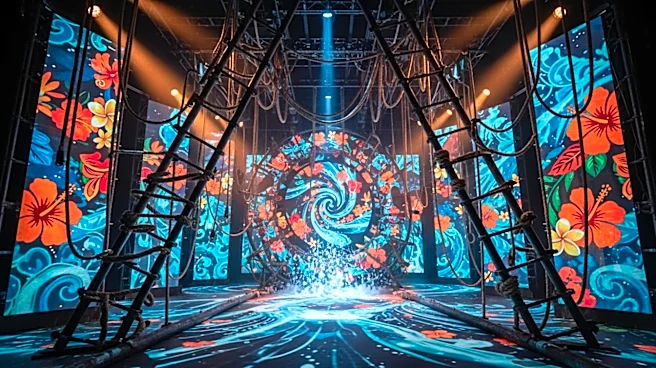
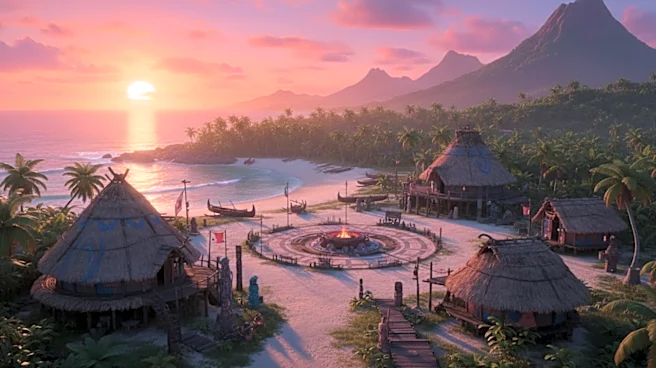
manifesting the narrative's core themes. Imagine this applied to 'Moana.' The villagers of Motunui in the song 'Where You Are' could become a more dynamic, living representation of the island's traditions and the pressures on Moana. The Kakamora pirates, an already kinetic force in the animated film, could become a masterclass in chaotic, yet perfectly timed, physical comedy and threat, reminiscent of the intricate choreography of a 'Hamilton' cabinet battle.
Making Every Lyric Count
Lin-Manuel Miranda’s lyrics, both in 'Hamilton' and 'Moana,' are dense, witty, and emotionally layered. Kail's great achievement in 'Hamilton' was ensuring that even in the most rapid-fire rap verses, the narrative and emotional intent of every word was crystal clear. His blocking isolates characters, uses lighting to draw focus, and creates stage pictures that underline the lyrical content. This precision will be invaluable for 'Moana.' Consider Maui's 'You're Welcome,' a torrent of braggadocio. Kail's experience with fast-paced performance means he can ensure Dwayne Johnson's delivery is not just charismatic, but that every boast lands with clarity and comedic punch. For introspective songs like 'How Far I'll Go,' Kail's method of using movement—or stillness—to reflect a character's internal state could give Moana's yearning a powerful physical presence.
Staging Emotion on a Grand Scale
One of the most difficult challenges in adapting animation to live-action is retaining the original's emotional scale. Animation can do anything; live-action has the constraints of reality, even when augmented by CGI. Kail's great strength is manufacturing emotion through staging. A key example is 'Satisfied' in 'Hamilton,' where the entire stage rewinds and replays a scene from a new perspective, a stunning theatrical device to show a character's inner turmoil. While he can't literally rewind the ocean, Kail can apply the principle: using camera movement, ensemble blocking, and environmental interaction to externalize a character's feelings. The emotional climax with Te Kā could become more than a CGI spectacle; Kail's focus on character-driven blocking could turn it into an intimate moment of connection amidst the grandeur.
From the Stage to the Screen
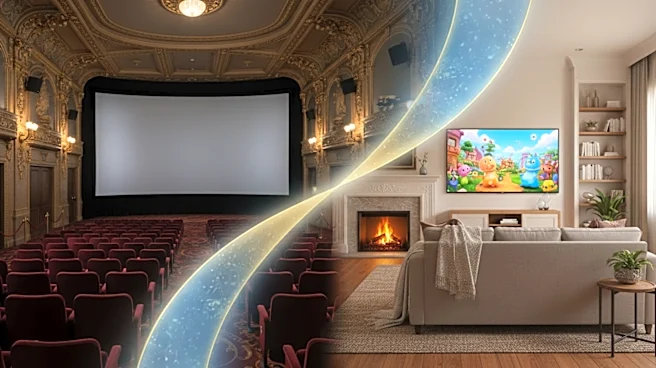
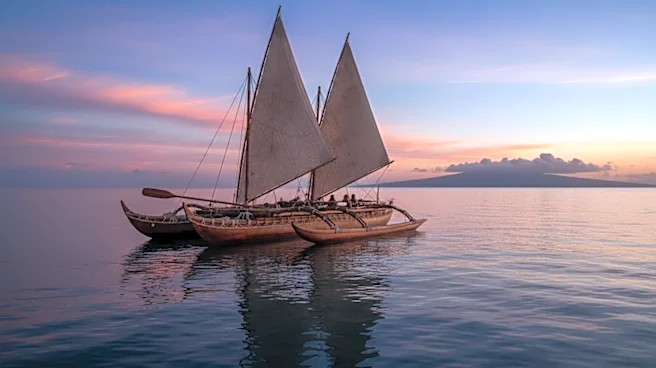
Kail is no stranger to the camera, having directed the filmed version of 'Hamilton' for Disney+ and the TV productions 'Grease: Live!' and 'Fosse/Verdon'. He understands that what works on stage needs to be translated, not just copied, for the screen. On stage, an audience member chooses where to look; in film, the director's camera makes that choice for them. Kail's work on the 'Hamilton' film shows his knack for using close-ups to capture fleeting expressions and wide shots to showcase the full scope of the choreography, creating an intimacy the stage can't offer. For 'Moana,' this means he can guide the audience's eye across the vast Pacific, then snap focus to a single, determined expression on the face of newcomer Catherine Laga'aia as Moana. This ability to move between the epic and the intimate will be the key to making 'Moana' feel both like a grand adventure and a deeply personal story.