



Why Texture Is Your Secret Weapon
When you remove color contrast from an outfit, the eye seeks other details. Without varying textures, a monochrome look can appear flat and uninspired. Fabric is what provides this missing depth. It’s the difference between an all-black outfit that looks
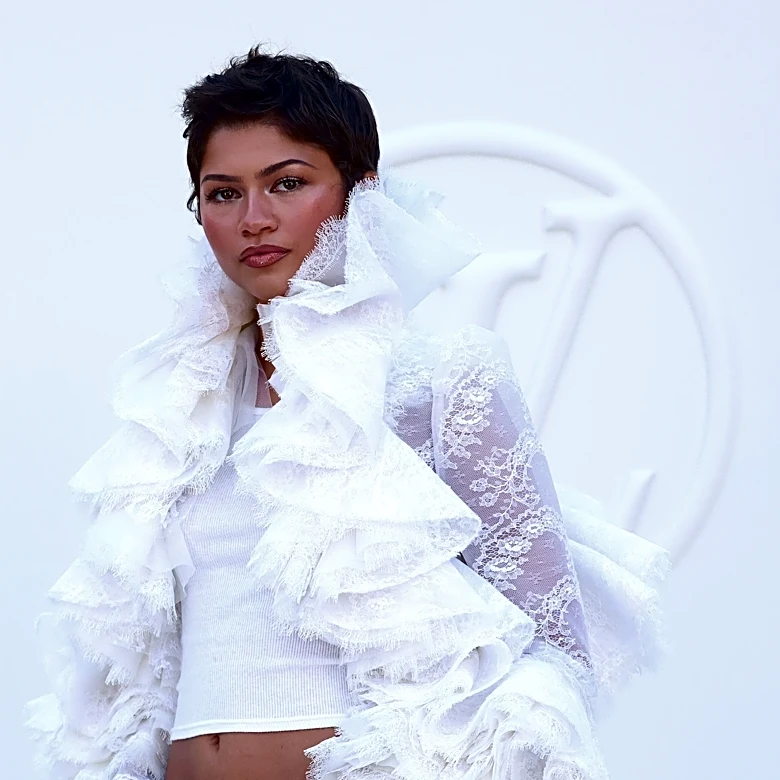
like a stagehand's uniform and one that looks intentional and sophisticated. By pairing different materials, you create subtle shifts in how light is absorbed and reflected, giving each piece its own identity. This interplay of surfaces—the roughness of wool against the smoothness of leather, or the rigidness of denim against the softness of cashmere—is what makes a single-color outfit visually compelling.
Understanding Your Materials
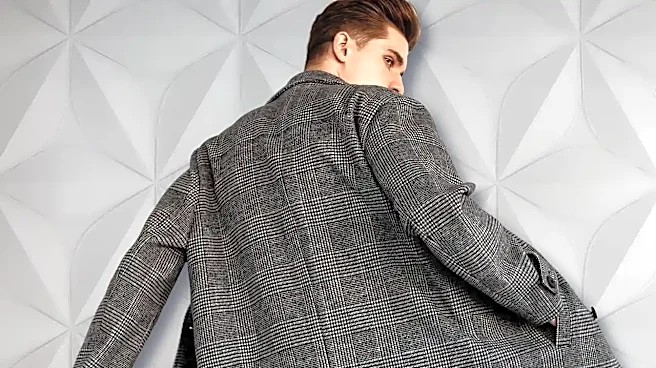
Think of fabrics on a spectrum from smooth to rough. Smooth fabrics like poplin, silk, or fine-gauge knits are sleek and refined. On the other end, you have rough, highly textured materials like chunky wool, tweed, corduroy, and raw denim. In between, you'll find a huge range of fabrics with subtle surface interest, such as flannel, suede, and most cotton weaves. The goal is to choose pieces from different points on this spectrum. A simple way to start is by making sure no two adjacent pieces in your outfit have the same texture. This simple rule forces you to think beyond color and consider the tactile quality of your clothes.
Classic Texture Pairings That Always Work
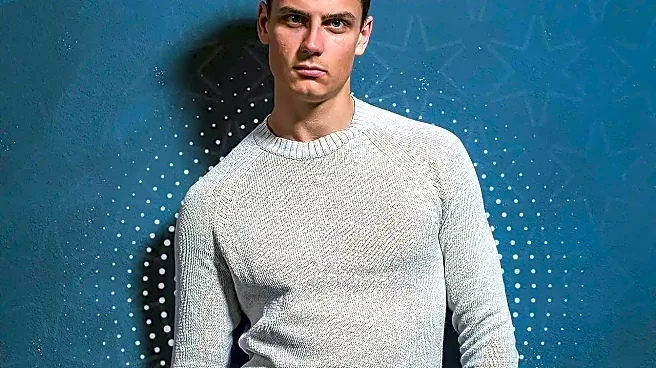
Combining textures can feel intimidating, but some pairings are foolproof. A leather or suede jacket over a cotton t-shirt or a fine-knit sweater is a classic for a reason; the smooth, slightly reflective quality of the leather contrasts perfectly with the matte softness underneath. For a smart-casual look, try pairing wool trousers with a crisp cotton shirt or a silk-blend knit. The rich, deep texture of the wool grounds the smoother top layer. Even an everyday outfit can benefit. A pair of dark denim jeans—which has its own subtle, rugged texture—looks instantly more considered when worn with a chunky knit sweater or a soft fleece jacket in the same color family.
It’s Not Just Fabric, It’s Finish
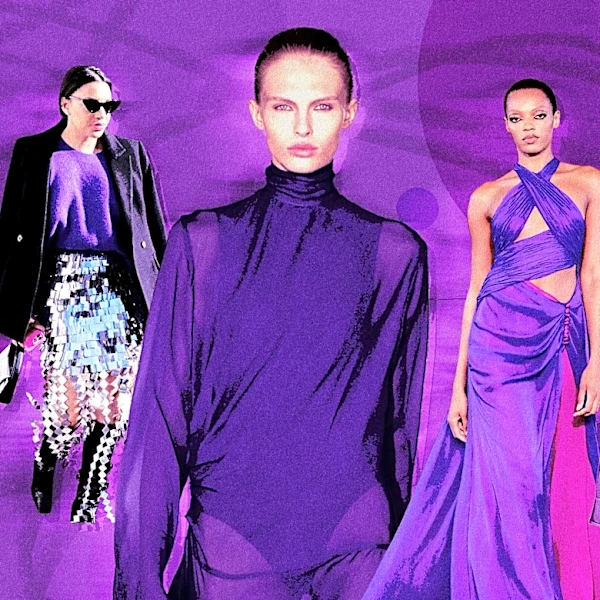
Beyond the weave of the fabric itself, consider its finish. Is it matte or does it have a sheen? A matte finish, like that of a cotton sweatshirt or wool flannel, absorbs light and can appear deeper and softer. In contrast, fabrics with a sheen—like leather, silk, or many technical nylons—reflect light, creating highlights that draw the eye. A successful monochrome outfit often balances both. For instance, pairing matte black jeans with a pair of polished black leather boots creates a clear distinction between the two pieces, even though they're the same color. This play between light-absorbing and light-reflecting surfaces is a pro-level move that makes any monochrome look feel more dynamic.
Building the Outfit from Scratch
To build a textured monochrome outfit, start with one foundational piece you love—a great jacket, a favorite pair of trousers, or a statement sweater. Then, build around it by choosing pieces with contrasting textures. If your anchor piece is a rugged corduroy jacket, pair it with smoother chinos or even denim. If you're starting with sleek leather pants, soften the look with a cashmere or merino wool sweater. Don't forget that layering is a powerful tool. Adding a third piece, like a jacket or an overshirt, automatically introduces another layer of textural possibility, making your outfit richer and more visually interesting. Even small accessories like a knit tie or a suede belt can contribute to the overall effect.