
The Sensory Ambush Your Brain Craves
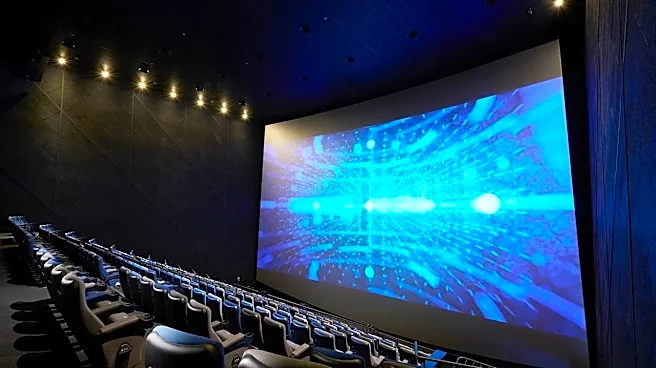
A modern cinema is an environment precision-engineered for sensory immersion. It’s not just that the screen is bigger and the sound is louder; it’s that these elements are designed to overwhelm your senses
in a way your living room can’t. High-contrast digital projection and massive screens fill your entire field of vision, while complex sound systems like Dolby Atmos create a three-dimensional audio landscape. This sensory bombardment commands your brain’s full attention. At home, distractions are everywhere: your phone buzzes, a pet needs attention, you can pause to grab a snack. But in a theater, you are a captive audience in a distraction-free isolation chamber. This forced focus is critical for memory encoding. When your brain isn't multitasking, it dedicates more resources to processing the experience, making the resulting memories richer and more durable.
The Power of a Secular Cathedral
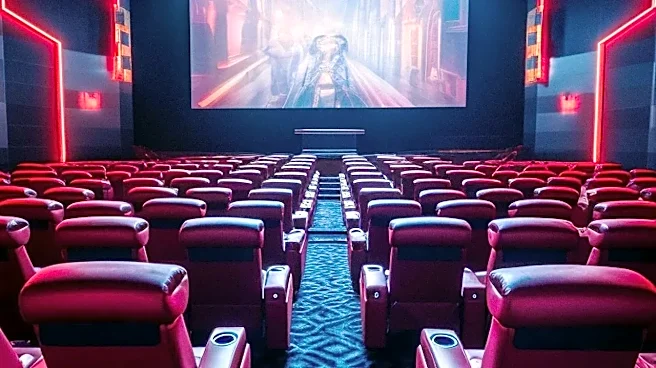
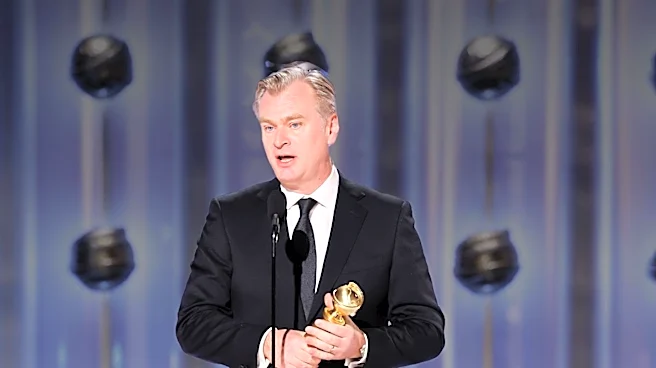
There’s a ritual to going to the movies that elevates it from mere consumption to a genuine event. Buying a ticket, finding your seat, and settling into a dark room with hundreds of strangers creates a sense of occasion. It transforms the viewing into something deliberate and special, a stark contrast to the casual, often fragmented way we watch content at home. This ritualistic aspect turns the cinema into a kind of secular cathedral for storytelling. You are there for a single purpose: to watch the film. Filmmakers like Christopher Nolan and James Cameron create their movies specifically for this environment, using aspect ratios and sound designs that are intentionally compromised on a smaller screen. Watching their work at home is like looking at a postcard of the Grand Canyon—you get the idea, but you miss the awe-inspiring scale that makes it truly memorable.
Our Brains on 'Event' Mode
The very concept of the “summer blockbuster,” born with Jaws in 1975, was built around creating a cultural event. Before then, summer was often a dumping ground for movies studios didn't have much faith in. Jaws proved that a summer release, backed by a massive national marketing campaign, could become a national obsession. This “eventizing” is a crucial psychological component. The buildup, the trailers, the opening weekend buzz, and the social media conversation all frame the movie as a must-see cultural moment. It creates urgency and shared anticipation. Streaming, with its endless library of choices, often induces decision paralysis and makes any single film feel less significant. Going to see a blockbuster is an active choice to participate in a cultural conversation, which makes the memory stick.
The Communal Heartbeat
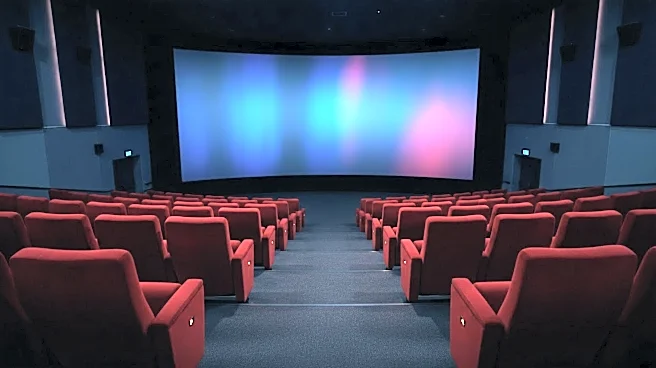
Perhaps the most powerful factor is the shared experience itself. When you’re in a crowded theater, you are part of a temporary community, emotionally synchronized with hundreds of other people. Laughing when they laugh, gasping when they gasp, and even sharing a stunned silence creates a powerful bond. Research in neuroscience shows that sharing an emotional experience with others, even without direct interaction, activates reward centers in the brain. One study found that simply knowing you are watching something at the same time as a friend enhances the experience and improves subjective feelings. This emotional contagion amplifies our own feelings, making the highs higher and the suspense more palpable. We don't just remember the movie; we remember the feeling of experiencing it together, forging a stronger, more complex memory than watching alone on the couch.