







The Department of Public Works
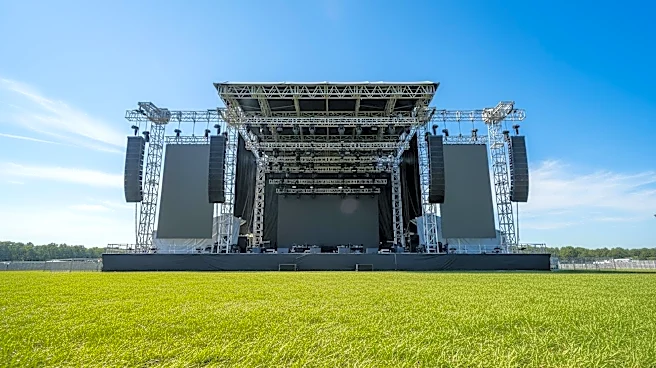
A city needs power, water, and sanitation, and the 80-acre festival grounds are no exception. Building this temporary infrastructure is a core challenge. Instead of a municipal power grid, the festival relies on a network of generators to power massive
stages, hundreds of food stalls, and countless art installations. For water, the festival implements a comprehensive program with free refilling stations to keep attendees hydrated and reduce plastic waste. The most impressive feat, however, is waste management. In partnership with the company Clean Vibes, a small army of volunteers works to sort trash, recycling, and compost. Their efforts are remarkably successful; in recent years, the festival has managed to divert over 89% of its total waste from landfills, a staggering achievement for a population of this size.
Public Safety and Health Services
Keeping a quarter of a million people safe is a monumental task. The festival's approach mirrors a city's emergency services. A network of private security, event staff, and San Francisco Police Department officers patrol the grounds to ensure safety and manage crowds. But the cornerstone of festival health is Rock Medicine, a non-profit that has been providing free, non-judgmental medical care at concerts since 1973. Operating from dedicated medical tents, their volunteer staff of doctors and nurses handles everything from minor injuries to more serious issues related to substance use or pre-existing conditions, effectively creating a temporary urgent care clinic on-site. This service not only provides immediate care but also reduces the burden on local hospitals during the festival weekend.
A Thriving Local Economy
No city is complete without commerce, and Outside Lands has cultivated a unique economic ecosystem. The festival's culinary program, known as "A Taste of the Bay Area," features nearly 100 local restaurants, wineries, and breweries. This makes the food and drink a headline attraction in its own right, reflecting San Francisco's celebrated food culture. All vendors are local, ranging from Michelin-starred establishments to beloved food trucks. This focus on local business generates a massive economic ripple effect. According to an economic impact study, a recent festival generated over $70 million for San Francisco alone, supporting hundreds of full-time equivalent jobs and booking nearly 25,000 hotel room nights.
Transportation and Urban Planning
Moving tens of thousands of people into and out of a park with limited parking requires a multi-modal transit plan. The festival partners with SFMTA to provide expanded Muni service, including extra buses on key routes. To ease congestion, organizers also run a dedicated, pre-paid shuttle service from the city's Bill Graham Civic Auditorium. For those living closer, the festival encourages greener options, offering free and secure bicycle parking and partnering with bikeshare services to ensure availability. Designated drop-off zones for taxis and rideshare services are carefully planned to minimize disruption to the surrounding residential neighborhoods. It's a complex system designed to make getting there part of a seamless experience, preventing the traffic gridlock that could easily paralyze the area.
The Social Contract
Perhaps the most critical element is the partnership between the festival and the city it inhabits. As the largest independently owned music festival in the U.S., Outside Lands operates under a contract with the San Francisco Recreation and Parks Department. A portion of every ticket sold goes directly back to the park system, with the festival having contributed over $49 million since its inception in 2008. This money funds park stewardship, infrastructure improvements, and community programs, ensuring that the event's benefits are felt long after the last stage is packed away. It's a social contract that allows a world-class party to coexist with a cherished public space, turning a temporary city into a long-term civic partner.