







The First Big Decision: In-Store vs. Online
Before you even think about brands, you need to decide where to shop. For beginners, nothing beats visiting a physical store. An expert fitting is invaluable; trained staff can measure your foot's length, width, and arch length to recommend a starting
size. They can also assess your needs based on the type of hiking you plan to do. However, online retailers like Backcountry.com offer a massive selection and competitive pricing. Many have expert "Gearheads" available via chat or phone who can provide guidance, mimicking the in-store experience. The biggest downside to buying online is not being able to try before you buy, though most have generous return policies.
National Chains with Expertise
For most Americans, the most accessible place for a quality boot fitting is a national outdoor retailer. REI is the dominant force in the U.S. market, with a large network of stores, a wide selection of top brands, and staff trained in boot fitting. Many stores have small ramps and rock-like surfaces to simulate walking on a trail, which helps you check for heel slippage or toes hitting the front of the boot on declines. An REI Co-op membership also comes with a famously generous one-year return policy on gear, giving you peace of mind. Other retailers like Eastern Mountain Sports on the East Coast and specialty chains like Bass Pro Shops also offer a solid selection of hiking footwear.
Don't Forget Your Local Outfitter
While national chains are convenient, don't overlook independent outdoor gear shops. These smaller stores often provide a level of personalized service and local knowledge that's hard to beat. The staff are typically passionate local hikers themselves and can recommend boots best suited for the specific terrain in your region—whether it's the muddy trails of the Pacific Northwest or the rocky paths of New England. They often carry a curated selection of brands and models that have proven to work well on local trails, taking some of the guesswork out of your decision.
Trusted Brands to Start Your Search
The brand isn't as important as the fit, but certain names have built a reputation for quality, durability, and performance. You can rarely go wrong by starting your search with brands like Salomon, La Sportiva, Merrell, Lowa, Oboz, and Keen. Salomon is often praised for its excellent balance of weight and support, with models like the Quest and X Ultra being perennial favorites. Merrell's Moab line is famous for its out-of-the-box comfort and great value. Brands like Lowa, an Oboz, and the Italian-made Zamberlan are known for their durable, often leather, construction, ideal for backpacking and rugged terrain.
Decoding Quality: What to Look For
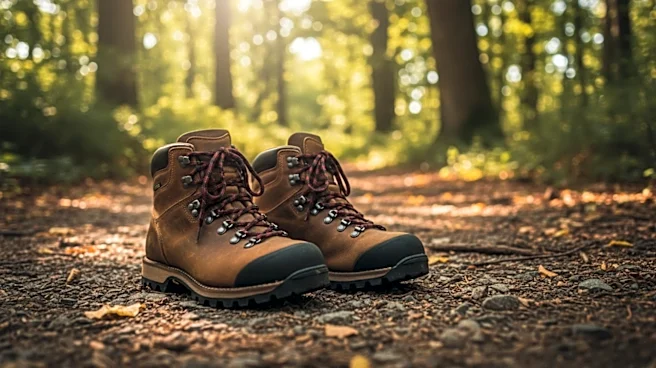
A "quality" boot is one that is well-constructed and fits your foot and hiking style. Key features include the upper materials, the midsole, and the outsole. Uppers can be full-grain leather, which is durable and water-resistant but requires break-in time, or synthetic fabrics, which are lighter and more breathable. Many high-end boots use a waterproof, breathable membrane like Gore-Tex to keep your feet dry. The outsole, the part that hits the trail, provides traction. Look for deep, aggressive lugs; Vibram is a well-respected outsole manufacturer known for its grip and durability. Finally, a snug fit is crucial. Your heel should be locked in place with minimal lifting, and you should have enough room to wiggle your toes. Always try boots on at the end of the day, when your feet are slightly swollen.