




The Original GOAT: Pelé
Before Michael Jordan established his global dominance, he was a phenom who redefined what was possible. For soccer, that figure is Pelé. Like Jordan, his greatness is so foundational it feels like ancient history, a legend spoken of in reverent tones.
Pelé won three World Cups with Brazil, a feat still unmatched. His highlight reels, grainy and flickering, show a player with modern skills in a bygone era, an athlete who seemed to invent the very concept of on-field magic. For many, he is the undisputed king, the athlete who first turned his sport into a global spectacle. Just as every basketball debate must first acknowledge Jordan's precedent, every conversation about soccer's greatest player must begin with the standard Pelé set decades ago. His legend isn't just about statistics; it's about being the original benchmark for immortality.
The Flawed Genius: Diego Maradona
Every hero needs a foil, and some of the most compelling figures are both hero and villain at once. This was part of Jordan’s mystique—the gambling, the ruthless competitiveness, the darker edges that made his brilliance feel dangerous. In soccer, this archetype belongs to Diego Maradona. A rebellious artist from the slums of Buenos Aires, Maradona played with a passionate, chaotic fire that Jordan would have recognized. His 1986 World Cup performance is perhaps the greatest single tournament run in history, where he scored both the infamous "Hand of God" goal—a blatant handball he cheekily attributed to divine intervention—and the "Goal of the Century" in the same match against England. This blend of sublime genius and brazen rule-bending made him a god to many and a cheat to others, a man whose profound imperfections only made his talent seem more divine and human.
The Global Corporation: Cristiano Ronaldo
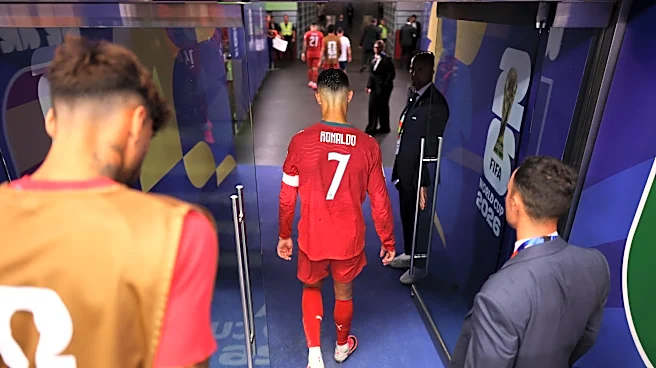
Michael Jordan didn't just win championships; he built a multi-billion dollar empire in his own image. Air Jordan became a brand as powerful as the man himself. Soccer's parallel is Cristiano Ronaldo, the athlete as a meticulously crafted global corporation. With his CR7 brand, Ronaldo has extended his influence from the pitch to fashion, fragrances, hotels, and beyond. This empire is built on the same pillars as Jordan's: sustained, almost robotic excellence, an obsessive dedication to physical fitness, and an aspirational, luxurious image. Ronaldo became football's first billionaire by understanding that his name and number were more than an identity; they were a global trademark. He transformed athletic success into a self-sustaining business that will outlast his playing career, a perfect echo of the Jordan model.
The 'Last Dance' Redemption: Lionel Messi
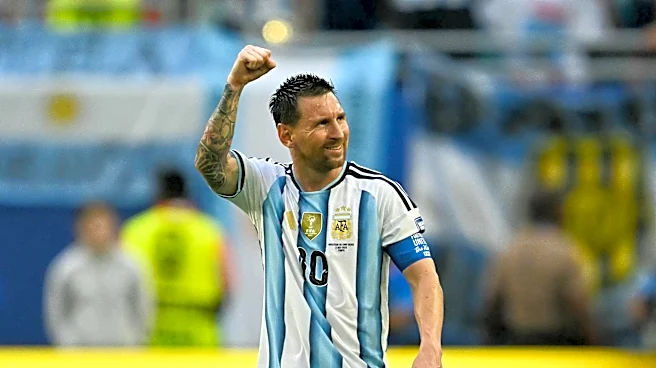
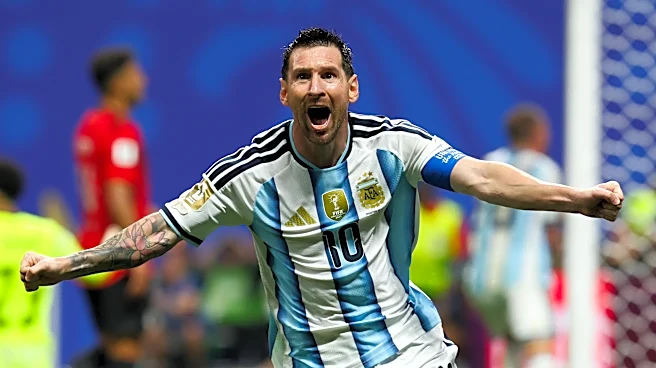
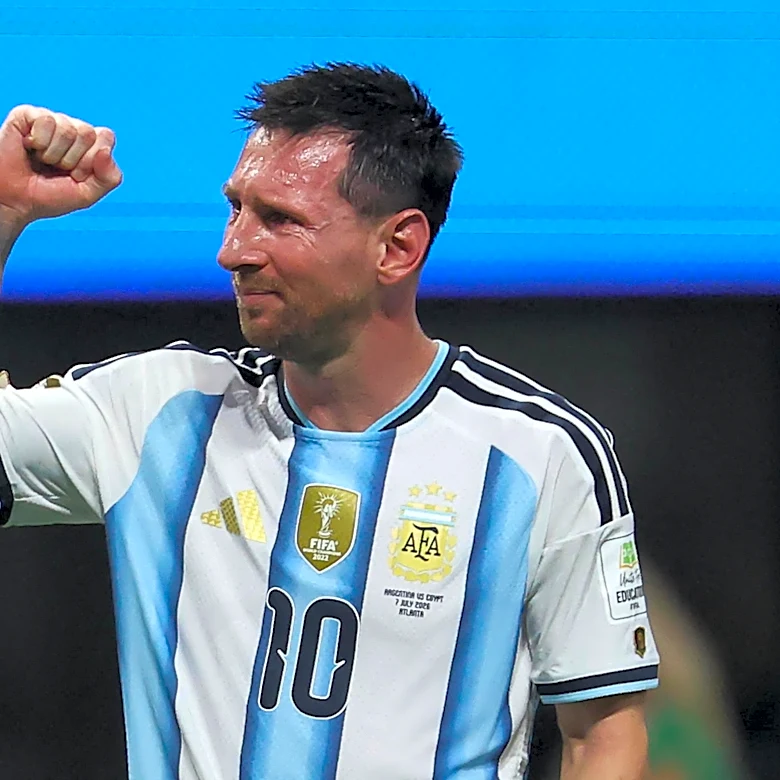
The final chapter of Jordan's Bulls story, the 'Last Dance,' was so compelling because it was a final, desperate push for a legacy-defining achievement. For years, Lionel Messi, the quiet, otherworldly genius, was haunted by one missing piece: a World Cup trophy. He had won everything else, but his legacy felt incomplete without that ultimate prize for Argentina. His journey mirrored Jordan's quest for that final ring. The 2022 World Cup became Messi's Last Dance. At 35, he led his nation on an emotional, dramatic run to glory, cementing his place in the pantheon. The narrative was irresistible: the humble hero finally conquering his last challenge, delivering a moment of collective joy and relief that solidified his claim as the greatest of all time for millions, silencing any remaining doubts forever.
The Shocking Exit: Zinedine Zidane
Michael Jordan’s first retirement to play baseball was a seismic shock, a dominant figure abruptly leaving the stage at his peak. Soccer’s version of this stunning departure belongs to Zinedine Zidane. One of the most elegant and dominant players of his generation, Zidane had led France to the 2006 World Cup final in what he had already announced would be the last match of his career. With the game tied in extra time, he was poised for a storybook ending. Instead, after a verbal exchange with an Italian defender, Zidane inexplicably drove his head into his opponent's chest, earning a red card. He was sent off, walking past the World Cup trophy in shame as he left the field for the last time. France went on to lose the final. It remains one of the most shocking and iconic exits in sports history—a moment of madness from a genius that was as unforgettable as any of his triumphs.