




A Revolution Disguised as a Dress
Before the 1920s, women’s fashion was defined by restriction. Corsets cinched waists into an hourglass ideal, and heavy, floor-length skirts made movement a chore. The flapper silhouette was a radical rejection of all that. Coming out of the immense social
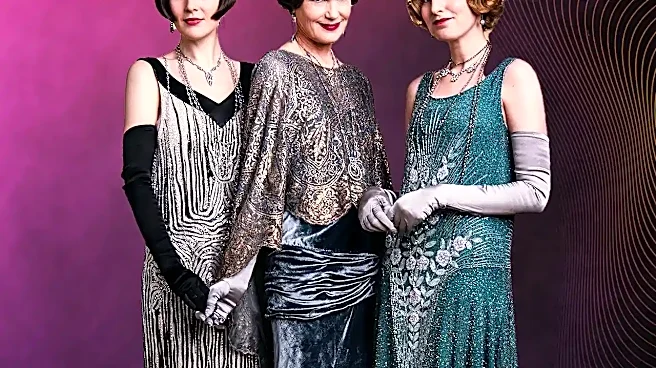
shifts of World War I and the fight for suffrage, young women embraced a new sense of independence. Their clothing became a declaration of freedom. The flapper dress, with its loose, straight cut and dropped waistline, didn't just ignore the natural waist; it celebrated its absence. This wasn't just about a new trend; it was about a new way of living where women could move, breathe, and exist in public spaces without being physically constrained by their clothes.
The Radical Idea of Comfort
The most enduring legacy of the flapper is one we now take for granted: comfort. By casting off the corset, women of the 1920s prioritized practicality in a way that was unprecedented. The loose, tubular dresses were often made of lighter fabrics like silk and chiffon, a stark contrast to the heavy velvets and wools of the past. This shift laid the groundwork for modern sportswear and the concept of separates. Suddenly, clothing was designed for an active life—one that might include working in an office, driving a car, or dancing all night. Hemlines rose to the knee, which was scandalous at the time but essential for freedom of movement. Every time you choose an outfit based on function and ease, you are enjoying a freedom the flapper fought for.
Redefining Femininity with a Boyish Edge
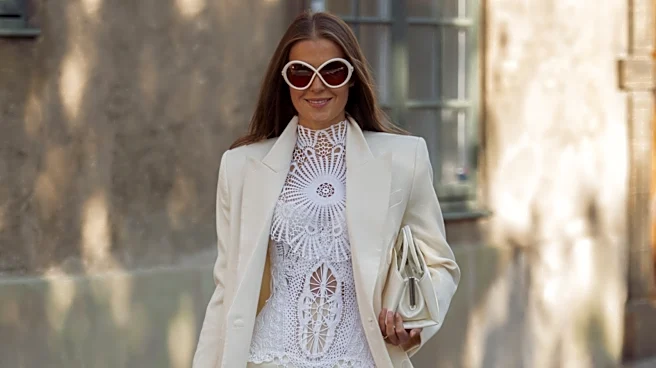
The flapper’s look was famously described as “la garçonne,” French for “the boy.” This new ideal celebrated a more androgynous figure: a flattened chest, slender hips, and short, bobbed hair. This wasn't about erasing femininity but expanding its definition. It was a visual statement that women didn’t need to adhere to the ornamental, delicate ideals of the Victorian era to be attractive or powerful. This embrace of androgyny was a bold act of self-definition that has resurfaced in fashion ever since. From the mod styles of the 1960s to the minimalism of the 90s and the gender-fluid aesthetics seen on today's runways, the flapper’s rebellion against a single, rigid form of femininity continues to inspire.
The Style Is in the Details
With the dress becoming a simpler canvas, accessories took center stage. The cloche hat, pulled down low over the eyes, became an icon of the era. Long strands of pearls could be knotted, thrown over the shoulder, or layered to add drama to a simple sheath. Since the new, unstructured dresses often lacked pockets, handbags became a functional and fashionable necessity for the modern woman on the go. Makeup, once considered improper for anyone but actresses, became mainstream, with bold lips and rouge completing the look. This idea—using accessories and beauty to personalize a look and express individuality—is the very foundation of modern styling. The flapper proved that a simple silhouette could be a powerful backdrop for personal expression.