





Master the Color Palette
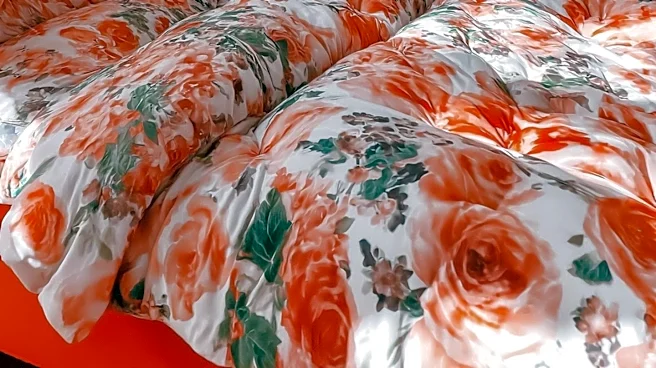
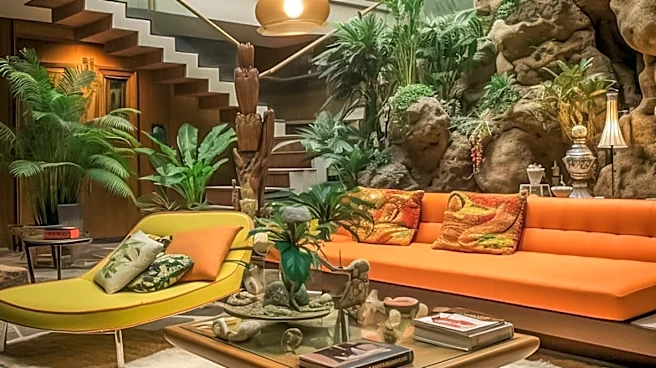
The first step is to think beyond bright orange. Production designers build a sophisticated autumn feel using a rich, earthy palette. They lean into warm, muted tones that evoke a sense of comfort and nostalgia. Think terracotta, mustard yellow, deep
burgundy, and various shades of brown, from caramel to espresso. These colors are often balanced with warm neutrals like cream and oatmeal to keep the look from feeling heavy. Muted greens, such as olive and moss, are also crucial for adding an organic, grounded element that balances the warmer hues. The goal is to create a color story that feels pulled from a natural landscape, suggesting the season rather than shouting it.
Layer Your Textures
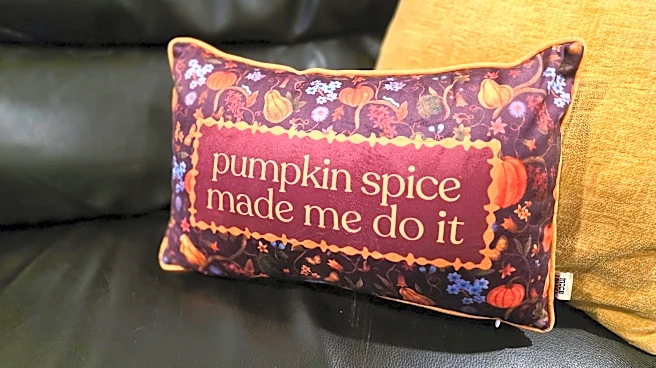
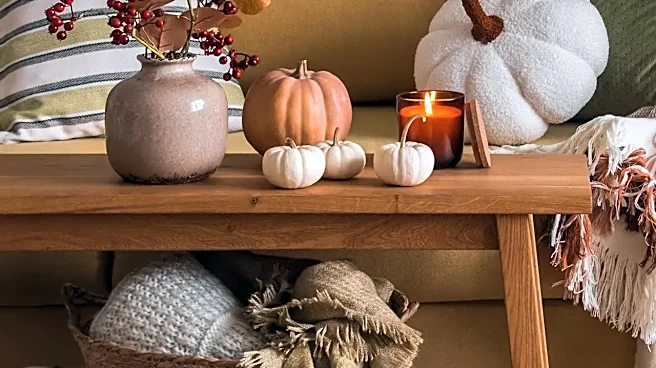
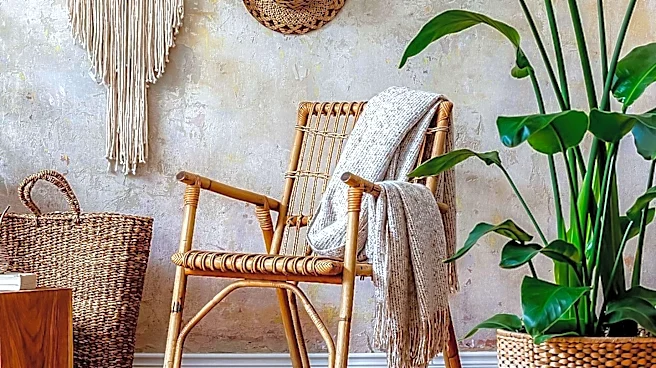
Atmosphere is something you should be able to feel, and that’s where texture comes in. Designers layer tactile materials to add physical and visual warmth. This is the secret to making a space feel instantly cozier. Swap out light summer fabrics like linen for heavier, more comforting materials. Chunky knit blankets, velvet or wool cushion covers, and faux fur throws are classic choices. But texture doesn't stop at textiles. Designers also incorporate rough-hewn wood, woven baskets, and rustic ceramics to add depth and character. The interplay between soft and rough textures is what makes a room feel layered, lived-in, and full of personality.
Harness the Power of Light
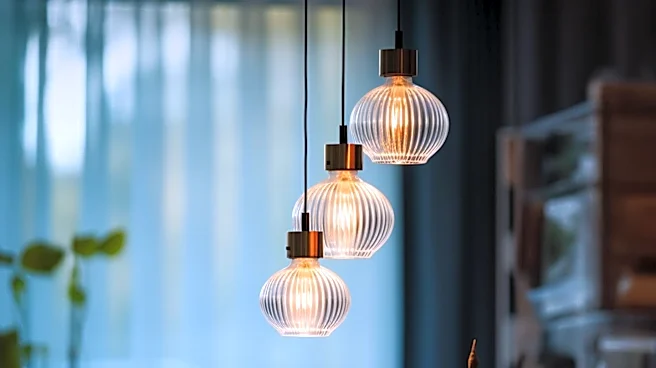
As the days get shorter, lighting becomes a production designer’s most powerful tool for creating mood. The key is to create warm, inviting pools of light instead of relying on a single, harsh overhead source. This is achieved by layering different light sources: table lamps, floor lamps, and even flameless candles. Opt for bulbs with a lower color temperature (around 2700K) to produce a soft, amber glow that mimics the golden hour of a fall afternoon. Using dimmer switches is a professional trick that allows you to control the intensity and create a soft, relaxing ambiance as evening sets in. This strategic use of light makes a space feel intimate and safe—a perfect retreat from the crisp evening air.
Bring the Outdoors In (Naturally)
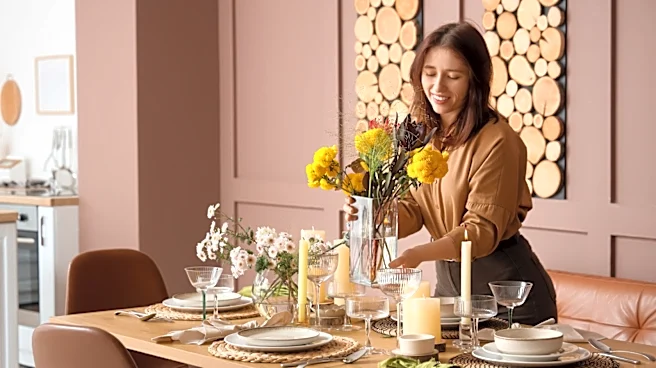
To signal autumn without using overt decorations, designers bring in elements from the natural world. This isn’t about scarecrows or cornucopias, but about subtle, organic touches. A simple vase filled with branches, dried hydrangeas, or tall grasses can add sculptural beauty and a seasonal feel. Bowls of seasonal produce like apples, pears, or uniquely shaped gourds (in shades of green, white, and tan) serve as decor that feels both beautiful and purposeful. Pinecones and acorns gathered in a simple tray or bowl also work well. These elements connect the interior space to the changing landscape outside, creating a seamless and sophisticated nod to the season.
Tell a Story with Scent
While film is a visual medium, production designers create a world so immersive you can almost smell it. You can apply the same logic at home. Scent is a powerful and underrated tool for creating atmosphere. Instead of synthetic pumpkin-spice sprays, think about creating scents that arise from natural activities. Simmering a pot of water with cinnamon sticks, apple peels, cloves, and orange slices fills the entire home with a warm, welcoming fragrance. The aroma of baking a loaf of bread, brewing coffee, or lighting a candle with a subtle scent of cedar or sandalwood contributes to the cozy, lived-in feeling that defines the season. It’s about creating an environment that engages all the senses.