




The Dog in the Cape
Let’s be honest: for most of his history, Krypto was a charmingly silly idea. Introduced in the Silver Age of comics, a period known for its imaginative, often bizarre, concepts, he was Superman’s canine companion from Krypton. He had all of Superman’s powers
and none of his responsibilities. He was a flying, super-strong dog who fought space cats and chased alien squirrels. While beloved, he was the definition of a merchandising device—a simple, kid-friendly concept that could be easily translated into merchandise. He was a sidekick in the purest sense, an accessory to heroism rather than a source of it. Even in more modern incarnations, he was largely portrayed as a loyal, powerful pet; a comfort and an ally, but rarely the emotional core of a story. He was a symbol of the wholesome, uncomplicated goodness of the Superman family.
A Weapon, Not a Pet
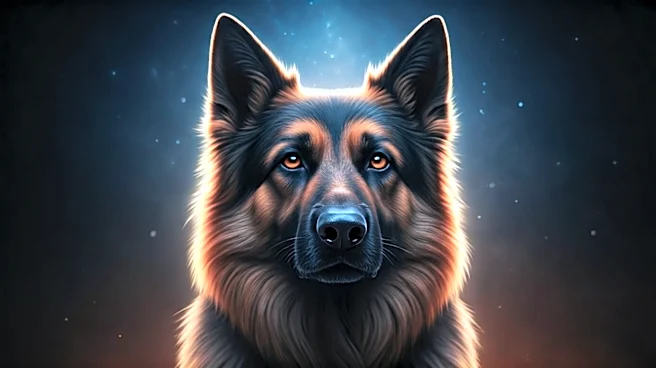
Then writer Tom King and artist Bilquis Evely got their hands on him for *Supergirl: Woman of Tomorrow*. Their Krypto is not a pet. He is a survivor. The series reimagines the bond between Kara Zor-El and her dog not through affection, but through shared trauma. Like Kara, Krypto watched his world die. He is the last of his kind, a creature of immense power forged in catastrophic loss. Evely’s art depicts him less like a golden retriever and more like a wolf. His fur is matted, his eyes glow with a terrifying red when angered, and he moves with a predatory grace. In one of the series’ most defining moments, Krypto is poisoned by a villain. The venom doesn't just make him sick; it taps into his Kryptonian biology, turning him into a rabid, hyper-lethal beast. He isn’t just in danger; he *is* the danger. This Krypto isn't here to fetch. He's here to hunt.
The Engine of Empathy
This transformation is the key to making Krypto a “story engine.” In *Woman of Tomorrow*, Krypto’s pain is the catalyst for Kara’s entire journey. The story kicks off when a young alien girl, Ruthye, seeks a hero to help her avenge her father’s death. She finds Supergirl, drunk and disillusioned in an alien dive bar. Kara is initially uninterested, but when the villain returns and poisons Krypto, everything changes. The attack on her dog becomes an attack on the last, pure piece of Krypton she has left. It externalizes her own internal suffering. Krypto’s journey of recovery and his moments of feral rage become a mirror for Kara's own struggle with anger and grief. He isn’t just following her around; his state of being dictates her emotional state. Every choice she makes on her quest for vengeance is tied to the dog by her side. He is the story’s heart, its fury, and its hope, all wrapped in one furry, formidable package.
More Than Just a Good Boy
The success of this new Krypto proves a vital point about modern superhero storytelling: no concept is too silly to be taken seriously. By grounding Krypto’s existence in the same tragic reality as Supergirl’s, the creative team unlocked a wellspring of emotional depth. He ceased to be an idea and became a character. This approach follows a powerful trend of creators finding pathos in the absurd, from King’s own work on *The Vision* to the way the MCU turned Rocket Raccoon from a talking animal with a gun into a tragic figure of genetic experimentation. It’s a challenge to the notion that some characters are just for kids or for selling toys. By treating Krypto with literary respect, the series argues that any corner of a fictional universe, no matter how goofy its origins, can be mined for powerful, adult storytelling if the creators are brave enough to dig.