
The Golden Age of the Standalone Blockbuster
The idea of the 'summer blockbuster' was born in 1975 with Jaws. It created a blueprint: a high-concept, must-see event film that dominated the cultural conversation for months. For decades, this model
thrived on originality. Studios took big swings on new ideas, and audiences were rewarded with films like E.T. the Extra-Terrestrial, Ghostbusters, Back to the Future, and Independence Day. These weren't sequels or remakes; they were singular cinematic events. A film could become a phenomenon based on a compelling premise, a charismatic star, and masterful execution. In the 1990s, you could still see a summer slate where original screenplays could compete with and even outperform the few sequels that existed. It was a high-risk, high-reward ecosystem where a breakout hit could launch a new franchise, but the initial film had to stand entirely on its own.
The Turn Toward Safer Bets
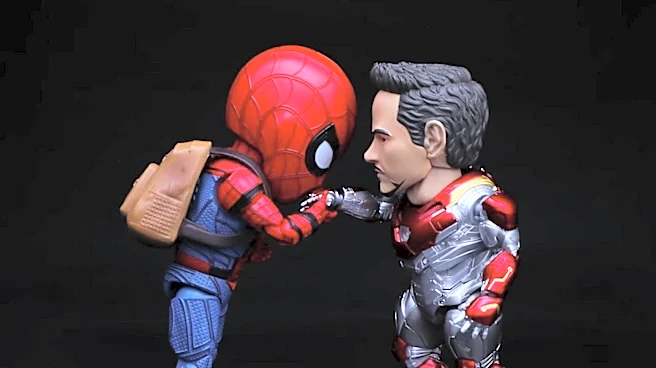
The pivot from original ideas to intellectual property (IP) wasn't an overnight decision but a gradual, profit-driven evolution. As film budgets ballooned, so did the financial risk. A single big-budget flop could be catastrophic for a studio. The solution? Minimize risk by betting on stories with a built-in audience. Sequels to past hits were the first step. Then came the comic book adaptation boom of the early 2000s with X-Men and Spider-Man, which proved that decades of comic book lore created a loyal, ready-made fanbase. This shift accelerated as the home video market, once a reliable revenue cushion, began to shrink. Studios realized that familiarity was one of their most valuable assets. Why risk hundreds of millions on an unknown concept when you could invest in a character or world people already knew and loved?
The Cinematic Universe and the IP Slate
The launch of the Marvel Cinematic Universe (MCU) with Iron Man in 2008 changed the game entirely. The idea wasn't just to make a single successful movie, but to build an interconnected web of films and series. This model transformed filmmaking into long-term brand management. Success was no longer measured by one film's box office, but by the overall health of the entire franchise ecosystem. Today, studio slates are constructed around these massive IP blocks. It's not just about superheroes from Marvel and DC; it's about live-action remakes of animated classics, movies based on toys and video games like Barbie or Super Mario Bros., and prequels to fantasy epics. The focus has shifted from creating individual hits to building a perpetual content machine, where each entry serves to promote the next, ensuring a steady, predictable stream of revenue.
Creativity vs. Certainty
This IP-driven strategy has fundamentally altered the landscape of mainstream cinema. For studios, it's a sound business strategy that leverages recognizable brands for global audiences who might not be drawn to a culturally specific original story. The data often shows that audiences, despite vocal complaints about a lack of originality, continue to buy tickets for the big franchises. However, this has led to a perceived homogenization of blockbusters, with critics like Martin Scorsese likening the experience to a theme park ride rather than cinema. The result is what many call 'franchise fatigue,' a growing sense of exhaustion from the endless parade of sequels and spin-offs that can feel more like homework than entertainment. While a brilliant original film can still break through, the system is now overwhelmingly built to favor the familiar over the new, leaving less room for the kind of surprise hits that once defined summer.