







The Ultimate “I Was There” Receipt
Before it’s anything else, a host nation jersey is the ultimate proof of participation. It’s a step above a ticket stub or a commemorative cup. While other souvenirs say “I bought a thing,” the jersey says “I was part of the atmosphere.” Even for the millions
who don’t travel to the event, buying the host’s kit is an act of solidarity. It’s a way to feel connected to the epicenter of a global moment, to absorb the energy of the stadiums and the street parties from thousands of miles away. It signals an investment in the narrative. In a world saturated with fleeting digital content, a physical jersey serves as a tangible anchor to a shared experience that dominated the world’s attention for one unforgettable month.
Adopting the Home Team
Every major tournament needs a protagonist, and the host nation is always the default main character. Their journey—the hopes of a nation, the pressure on the players, the drama of each match—becomes the central storyline. For neutral fans, and especially Americans whose team may have been eliminated (or never qualified), latching onto the host is a natural choice. It gives you a rooting interest, a reason to care deeply about a game between, say, South Africa and Mexico. Think of Germany during the 2006 World Cup. The tournament’s motto was “A Time to Make Friends,” and the nation embraced a new, welcoming identity. Fans from around the world who bought a German kit weren’t just supporting a soccer team; they were endorsing that spirit of joyful openness. Similarly, the vibrant green of South Africa’s 2010 Bafana Bafana jersey became inseparable from the sound of the vuvuzela and the historic significance of the first African World Cup.
From Performance Wear to Streetwear
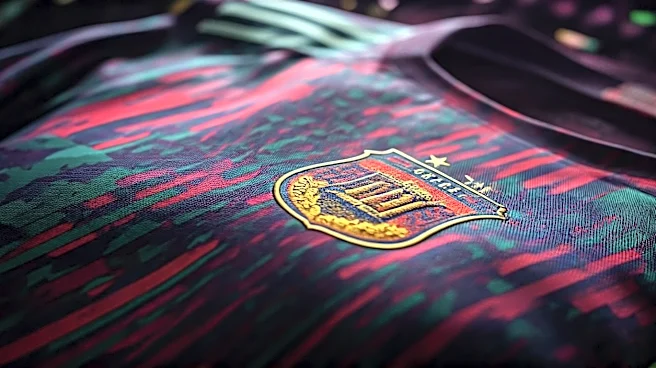
The aesthetic appeal cannot be overstated. In recent decades, soccer jerseys have completed their evolution from pure athletic gear into legitimate fashion items. Brands like Nike and Adidas now design kits with an eye on the sidewalk as much as the pitch. They collaborate with fashion designers, draw inspiration from national art and architecture, and create patterns that look just as good with jeans as they do with shorts. The host nation’s jersey often receives the most creative attention. It’s the visual centerpiece of the tournament’s entire brand. Its design is endlessly debated and dissected, and a successful one becomes an instant classic. This “Blokecore” trend, where athletic jerseys are integrated into everyday style, means you don’t have to be a die-hard fan to appreciate a well-designed kit. You might buy a Japan '02 jersey simply because its clean, minimalist design is timelessly cool.
A Wearable Political & Cultural Statement
Beyond fandom and fashion, wearing a host’s jersey is a statement. The shirt becomes a canvas onto which the world projects its feelings about the host country. A France ’98 jersey, with Zinedine Zidane’s name on the back, evokes the triumph of a multicultural team that united a nation. It’s a symbol of a specific, optimistic moment in time. Conversely, a Brazil ’14 jersey might carry a more complex meaning. It represents the flair and joy of Brazilian “joga bonito,” but it can also be a reminder of the massive social protests that surrounded the event’s extravagant costs. In this way, the jersey is a conversation starter. It can be a simple nod of appreciation for a country’s culture or a more complicated symbol that reflects the political and social context of the tournament. It’s a piece of clothing that carries the weight of history, economics, and national identity, making it far more potent than almost any other souvenir.