



Strategy Before the Splice
Long before an editor opens their software, a strategy is in place. Creating a recap isn’t about documenting an event chronologically; it’s about bottling an emotion. The goal is to distill the sprawling, multi-day celebration of Black culture into moments
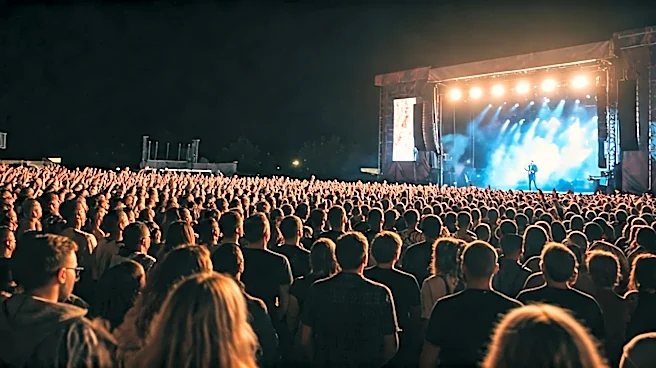
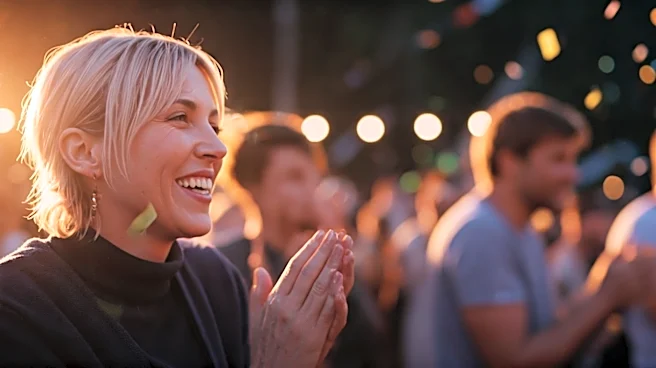
that resonate with people who were there and, just as importantly, those who weren't. [8, 15] Planners and social media teams identify key themes and must-capture moments in advance, creating a detailed shot list that goes beyond keynote speeches. [8, 9] They're hunting for authentic interactions: candid laughter between friends, audience members singing their hearts out, and the spontaneous joy that defines the festival's spirit. [9] The editor's job is to tell a story that aligns with the festival's core message of community, empowerment, and celebration.
The Three-Second Audition
On social media, you have less than three seconds to stop the scroll. [2, 5] This is where the editor's craft truly begins. They sift through hours of footage to find the perfect hook—a visually stunning moment, a surprising celebrity cameo, or a surge of crowd energy. [2] It’s a high-stakes decision. A slow start means the viewer is gone before the beat drops. The best editors front-load their clips with the most potent imagery or sound to create an immediate emotional connection or curiosity gap, forcing the viewer's brain to ask, "What happens next?" This isn't just a good idea; it's a psychological necessity to beat shrinking online attention spans. [3, 18]
Rhythm Is a Language
A great recap clip has a heartbeat. The editing pace isn't random; it's a carefully choreographed rhythm designed to hold attention. [18] Quick cuts, dynamic zooms, and fast-paced transitions are synced to the beat of a trending song or an iconic track from a performer. [1] This technique does more than just look cool; it makes the video feel energetic and keeps the viewer's brain engaged, preventing them from checking out. [3, 11] The pacing mimics the festival's own energy—alternating between the high-intensity roar of a Superdome performance and a quiet, powerful moment from a panel discussion. [18] This contrast creates a narrative flow, turning a collection of clips into a cohesive emotional journey. [6, 9]
Sound Is Half the Story
Many viral videos are watched without sound, which makes the strategic use of audio even more critical. [2] Editors know that captions are non-negotiable for accessibility and engagement. [2, 7] But beyond that, they layer audio to create an immersive experience. The primary audio might be a popular song, but the secret lies in the mix. Fading in the sound of the crowd, a powerful quote from a speaker, or the ambient buzz of the convention center adds a layer of authenticity that a music-only edit lacks. [4] This audio-visual storytelling makes the viewer feel like they are part of the moment, not just watching it from afar. It’s the difference between a flat video and one that feels alive.
Framing for the Feed
The final touches are all about context and usability. A vertical 9:16 aspect ratio is standard for Reels, TikTok, and Shorts. [10] But smart editors also consider the platform's user interface, ensuring that key visuals and subtitles aren't covered by like buttons or usernames. [2] Text overlays are used to highlight key takeaways or add commentary that enhances the story. [8, 13] Sometimes, a clip is paired with a trending sound or filter to tap into a broader cultural conversation on the platform, increasing its algorithmic visibility. [1, 7] This final polish isn't just decoration; it's a strategic move to ensure the video is not only seen but also easily understood, shared, and remembered.