



A Familiar Story in a Spooky Shell
At its core, the success of 'Wednesday' lies in a clever bait-and-switch. The series is wrapped in the familiar, highly marketable structure of a teen drama. It’s a supernatural, coming-of-age murder mystery set in a boarding school, Nevermore Academy.
This setup is instantly recognizable, borrowing from genre hits that came before it. We see the classic tropes: a gifted protagonist at a special school, rivalries with popular kids, budding friendships with fellow outcasts, and a central mystery to solve. By embedding its gothic elements within this proven formula, the show gave mainstream audiences a comfortable and compelling framework. Viewers who might not seek out a pure gothic horror story were drawn in by the promise of a teen sleuth narrative, only to find themselves immersed in a world of monsters, séances, and macabre humor.
An Icon for the Unapologetic
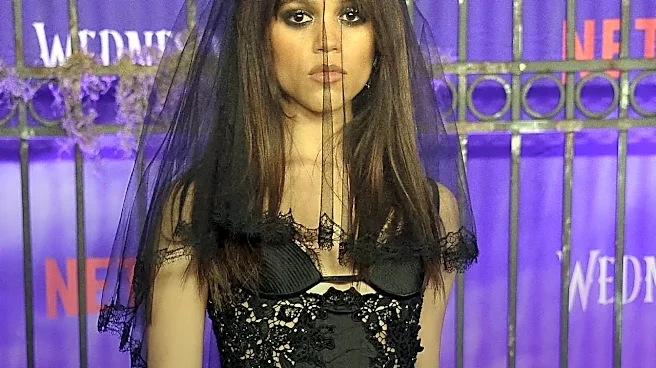
A huge part of the show's appeal is Jenna Ortega's mesmerizing portrayal of its title character. Previous versions of Wednesday Addams were often side characters defined by deadpan one-liners. Ortega’s Wednesday, however, is the undisputed center of the story. She is a fully-fledged antihero: fiercely independent, unapologetically weird, and armed with a razor-sharp wit. This version of the character became a symbol of empowered alienation, resonating deeply with younger audiences, particularly Gen Z. In an era that values individuality, Wednesday's refusal to conform or soften her edges is aspirational. She makes being an outsider look cool and powerful, transforming the traditional gothic archetype of the tormented loner into a self-possessed icon who forces the world to adapt to her, not the other way around.
Gothic-Lite: All the Style, Half the Terror
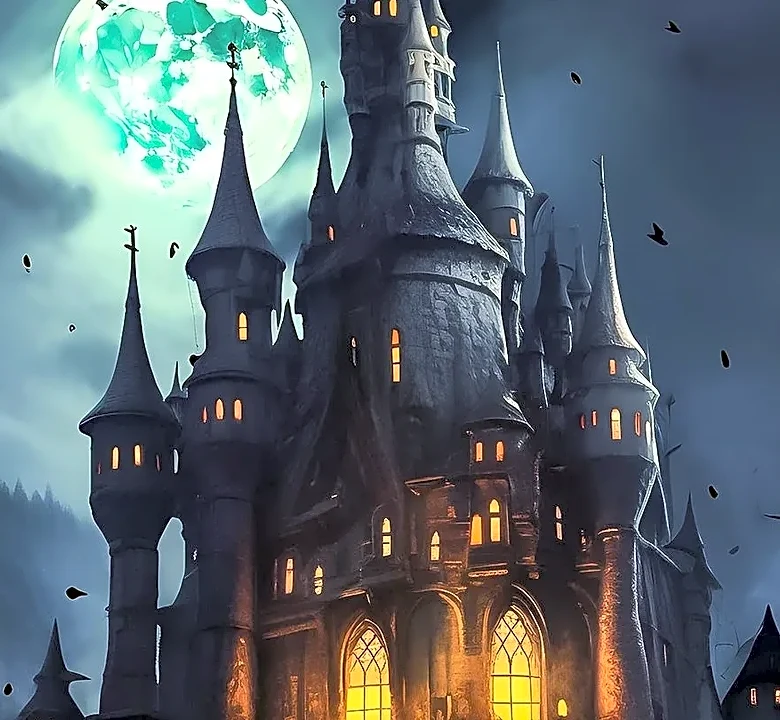
Visually, 'Wednesday' offers a highly stylized, almost commercial version of the gothic aesthetic. This isn't the oppressive, dread-filled atmosphere of classic gothic literature. Instead, it’s a beautifully curated “dark academia” look, complete with stunning architecture, vintage-inspired uniforms designed by Colleen Atwood, and a monochromatic wardrobe featuring designers like Alaïa and Prada. The show’s aesthetic is dark but not truly terrifying; it’s more Instagrammable than unnerving. This approach makes the gothic visual language feel aspirational and stylish. Even the viral dance scene, choreographed by Ortega herself to The Cramps' 'Goo Goo Muck,' became a TikTok trend that single-handedly introduced a new generation to goth subculture through a lens of quirky fun rather than genuine horror.
A Gateway, Not the Final Destination
Ultimately, 'Wednesday' functions as the perfect gateway because it introduces the core themes of the gothic—death, alienation, the supernatural, and a fascination with the morbid—without the genre's more challenging or subversive edges. It sanitizes the darkness, making it palatable for a broad, family-friendly audience. The show hints at the deeper, more complex horror and philosophical dread of authors like Edgar Allan Poe (the inspiration for Nevermore Academy) but keeps the narrative firmly in the realm of young adult fantasy. It provides just enough gloom and mystery to feel edgy and intriguing, priming viewers' tastes for darker fare. It doesn't plunge them into the abyss; it simply opens the door and invites them to peek inside, making it the ideal first step into a much larger, darker world.