



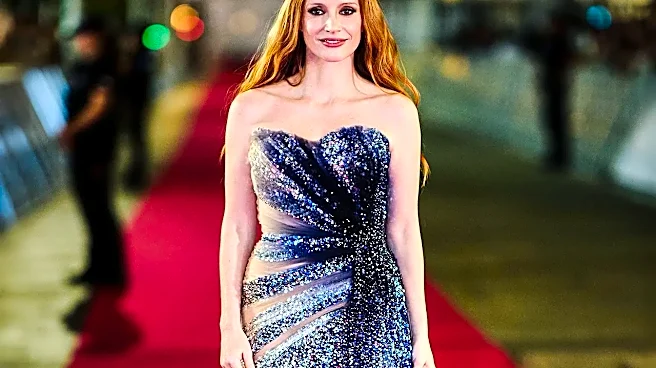
The Ultimate Global Stage
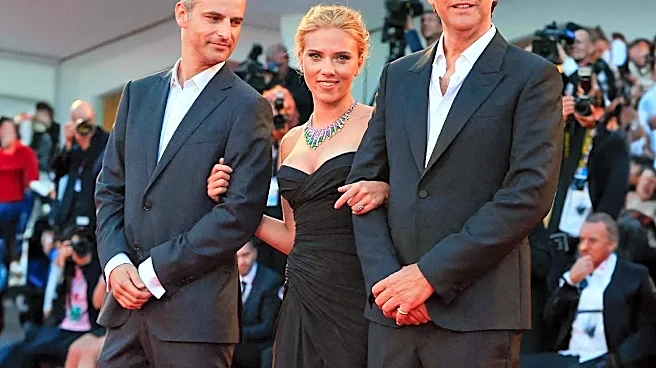
Before the Oscars, before the Golden Globes, there is Venice. Kicking off in early September, it's the unofficial start to the fall awards season, giving it an outsized influence on the trends and narratives to come. Unlike the celebrity-packed Met Gala
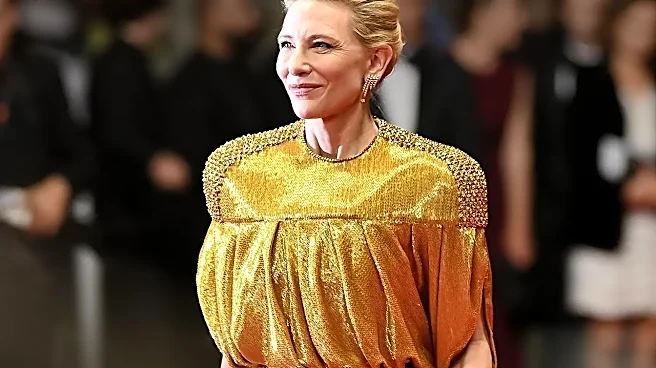
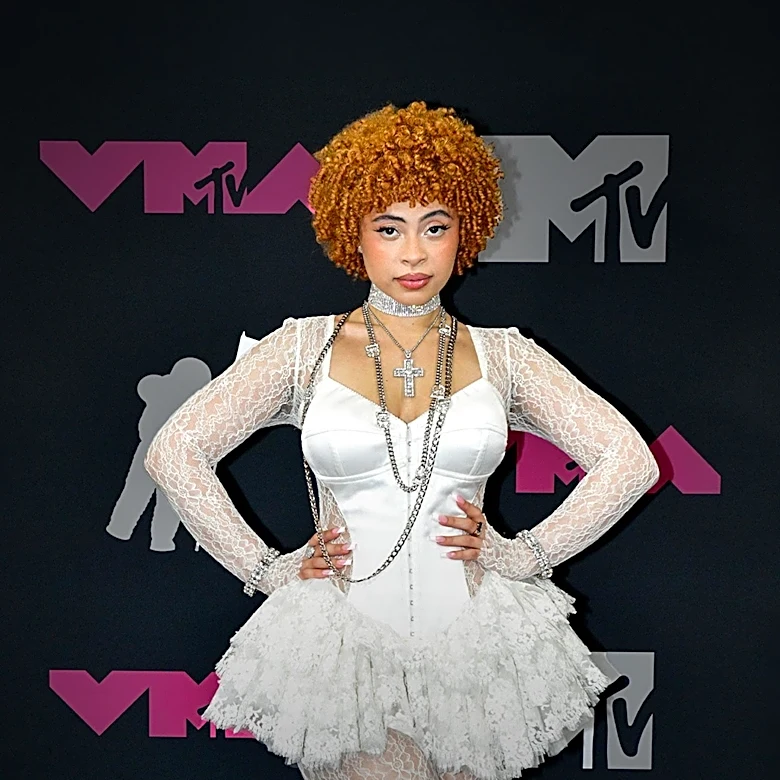
or the commercially driven VMAs, Venice combines cinematic prestige with European elegance, creating a unique platform. Actors are there to celebrate high art, but they're also there to work. For fashion houses, landing a gown on a major star at a Venice premiere offers unparalleled global exposure, associating the brand not just with a famous face, but with the sophisticated, artistic aura of the festival itself. The images captured on the Lido di Venezia are instantly circulated worldwide, setting the sartorial tone for the entire season.
More Than a Dress, It’s a Story
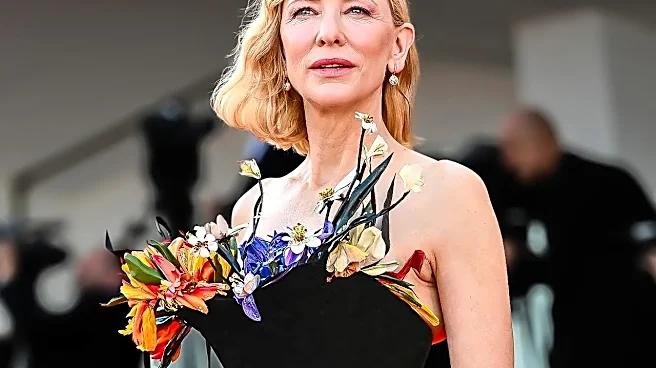
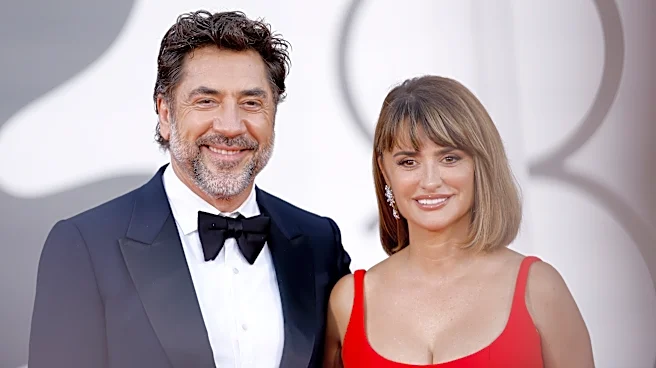
A fashion editorial in a magazine isn't just a catalog of clothes; it tells a story. The same is true on the red carpet, where every look is a carefully crafted chapter in a celebrity's public narrative. A star might use their wardrobe to align with the theme of their film, signal a new, more mature career phase, or simply reassert their status as a style icon. At the 2026 festival, looks from stars like Penélope Cruz in Chanel and Amal Clooney in custom Tom Ford weren't just beautiful; they were statements of intent. Cruz’s fiery red gown projected confidence for her film's premiere, while Clooney’s architectural black dress reinforced her image of modern power and elegance. These choices are collaborations between the star, a powerful stylist, and the fashion house—all working to broadcast a specific message without saying a word.
The High-Stakes Style Economy
The glamour of the red carpet conceals a fiercely competitive, multi-million dollar micro-economy. Brands invest heavily to have their creations worn, often entering into exclusive contracts with celebrities to make them brand ambassadors. The return on investment is enormous. According to industry analysis, a major red carpet can generate billions in 'media impact value' for brands. A single viral photo of a star in a specific gown can translate into massive sales and brand recognition that traditional advertising can't buy. Stylists act as the powerful brokers in this economy, negotiating between stars and fashion houses. They curate the looks, secure the jewelry loans, and build the relationships that dictate who wears what. The result is a highly curated selection of fashion, where every choice is backed by significant commercial interests.
Designed for the Digital Age
Today, a red carpet moment lives far beyond the few minutes a star spends in front of the photographers. It’s instantly captured, dissected, and disseminated across Instagram, TikTok, and countless online galleries. This social media multiplier effect is a key part of the strategy. Looks are often chosen with their digital impact in mind. Bold colors, dramatic silhouettes, or the use of archival vintage—like Kendall Jenner wearing a 1995 Giorgio Armani piece—are designed to create a 'moment' that will be shared and discussed. This constant commentary turns the red carpet into a global conversation, extending the life of the 'editorial' for days or even weeks. It's no longer just about looking good in person; it's about creating an image that is compelling, shareable, and capable of commanding attention in a crowded digital landscape.