
A Stage Built for Discovery
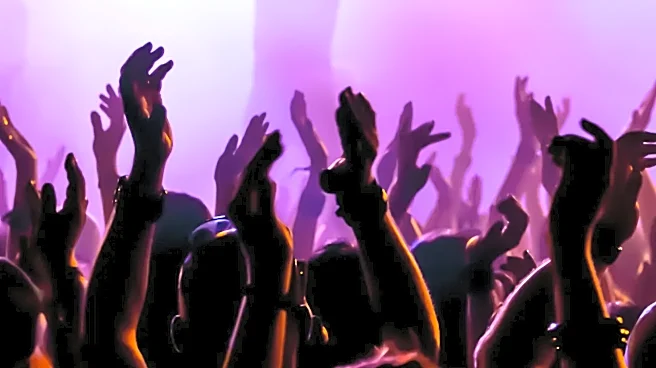
It all starts with the setting. A music festival is not like a regular concert where fans show up for a specific artist. It’s a buffet of sound, where audiences are primed for discovery. People wander from stage to stage, deliberately seeking out new
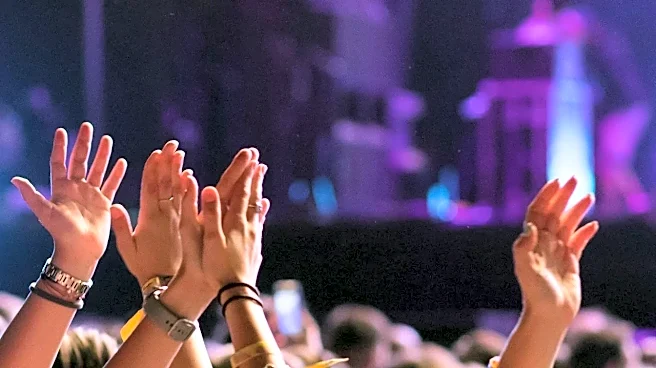
experiences. This creates a unique opportunity for legacy artists or those with deep catalogs. When an artist plays a song from 10, 20, or even 30 years ago, they aren’t just performing for their dedicated followers; they are playing for thousands of curious onlookers, many of whom are hearing it for the first time. The communal energy of a festival—that feeling of being part of a massive, shared moment—can instantly legitimize an older track for a younger listener. A song isn't just a song; it's the soundtrack to an unforgettable experience. This was clear when No Doubt reunited at Coachella, introducing their catalog to a new generation and seeing consumption of their music grow 85% after the first weekend.
The Thirty-Second Echo
The performance itself is just the spark. The real explosion happens online. In the seconds after a memorable moment, hundreds of phones are already uploading clips to TikTok, Instagram Reels, and other platforms. A powerful vocal, a stunning guitar solo, or a surprise guest appearance can be sliced into a 30-second video that goes viral. This social media echo chamber is the most critical part of the modern rediscovery engine. A song doesn't need to be new to trend; it just needs to create a moment. Platforms like TikTok thrive on this, where algorithms push engaging content to millions of users, regardless of the song's original release date. A fan’s grainy phone video of a performance can become the genesis of a global dance challenge or a viral meme, completely detached from its original context but powerfully effective at driving awareness. This digital wildfire gives the song a second life far beyond the festival grounds.
Feeding the Streaming Machine
Once a track gains traction on social media, the streaming platforms take notice. The flurry of new interest signals to algorithms on Spotify, Apple Music, and YouTube that something is happening. The song starts appearing on algorithmically generated playlists like “Viral Hits” and “Songs You Might Like.” This is the crucial step that translates fleeting buzz into a measurable resurgence. For example, after standout Coachella performances, artists like Chappell Roan and Anitta saw their daily stream counts increase dramatically—in Roan's case, by more than 30 times her pre-festival average. Listeners who heard the clip on TikTok now open their streaming app and search for the full track. They add it to their personal playlists and, in doing so, teach the algorithm that the song is relevant again. This creates a powerful feedback loop: social media drives streams, and streams drive more algorithmic promotion, solidifying the song’s comeback.
From Viral Moment to Cultural Mainstay
A successful festival revival doesn’t just end with a spike in streams. It can completely reset an artist’s career or redefine their legacy. For a heritage artist, it introduces their entire back catalog to a new audience who may only know them from that one viral clip. This renewed relevance often leads to bigger opportunities, including lucrative sync deals where the song is placed in movies, TV shows, or commercials—the very phenomenon that helped revive Kate Bush's “Running Up That Hill.” It can also lead to renewed radio play and headlining tours. For artists in the middle of their careers, it can provide a powerful second wind, reminding the industry and fans of their depth. The festival performance acts as a high-impact marketing event, creating a cultural moment that proves an old song is never truly old; it’s just waiting for the right stage.