



The Arrival: Moving Into Your Bunk
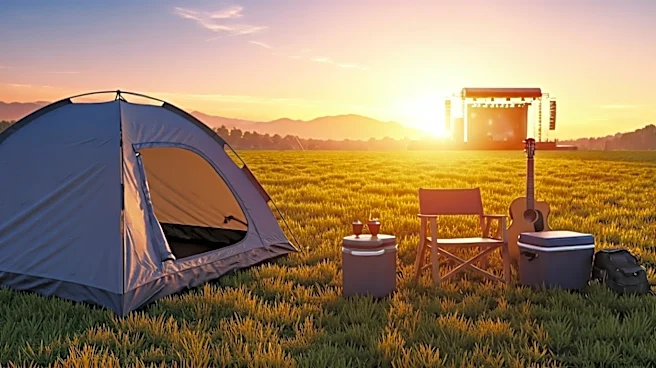
Summer camp begins with finding your cabin and meeting your bunkmates. Bonnaroo begins with finding your patch of grass in a sprawling field and meeting your neighbors. The experience is almost identical. You haul your gear, awkwardly introduce yourself
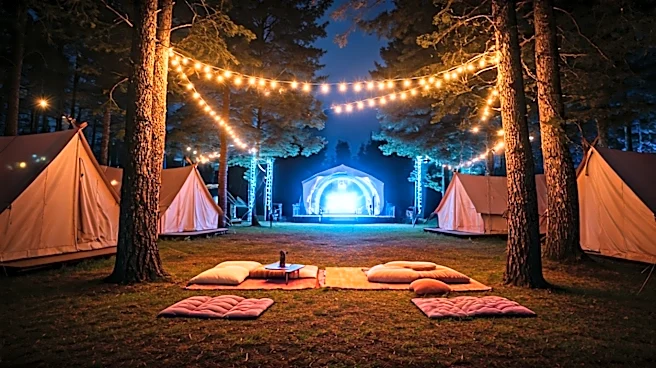
to the people who will live feet away from you for the next four days, and immediately start building a temporary home. That shared struggle of setting up tents in the humid Tennessee heat creates an instant bond. Your neighbors aren't just strangers; they become your allies, your emergency supply of sunscreen, and the first people you share a celebratory beer with. This isn't the sterile, anonymous experience of a hotel; it's a communal move-in day where everyone is in the same slightly chaotic, overwhelmingly excited boat.
The Camp Counselors: Rock Stars and DJs
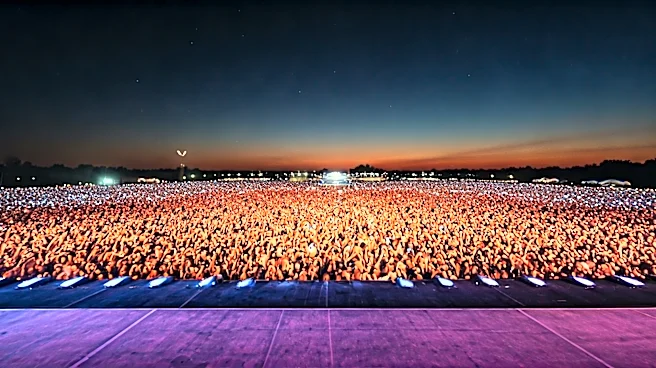
At camp, your days are structured around activities led by counselors. At Bonnaroo, your schedule is dictated by a different kind of leader: the lineup. The artists on stage become the day’s main event organizers. Instead of archery or canoeing, your key activities are seeing a legacy rock band at the What Stage, discovering a new electronic artist in a tent until 3 a.m., or joining a massive singalong with thousands of fellow campers. The artists set the emotional tone for the day, guiding the collective energy from daytime grooves to late-night euphoria. You plan your entire existence around their set times, navigating the grounds with the same purpose a camper would run from the mess hall to the lake for afternoon swim.
Arts & Crafts Gets a Major Upgrade
No summer camp is complete without lanyards and tie-dye. Bonnaroo takes this principle and injects it with a massive dose of creative chaos. The festival grounds, known as The Farm, are littered with interactive art installations that beg to be climbed on and photographed. There are impromptu parades, yoga sessions in the grass (dubbed “yogaroo”), a 5k race, and a market filled with unique crafts. You can wander into a tent and find a comedy show, a drag brunch, or a secret DJ set. This emphasis on spontaneous discovery and play is central to the summer camp spirit. It's about more than just passively watching music; it’s about participating in the creation of a vibrant, weird, and wonderful temporary city.
The Mess Hall: A Food Truck Free-for-All
Forget mystery meat and lime Jell-O. Bonnaroo’s version of the mess hall is a globe-spanning culinary adventure served from dozens of food trucks and stalls. But the core social function remains the same. Grabbing a slice of Spicy Pie or a life-altering Amish donut is a communal ritual. You’ll find yourself sharing tables with strangers, trading stories about the shows you just saw, and comparing notes on which food stall is an absolute must-try. Mealtimes aren't just about refueling; they are social hubs, moments to decompress and connect with the wider camp community before diving back into the music.
The Unofficial Uniform and Camp Rules
Every camp has its code. At Bonnaroo, it’s “Radiate Positivity.” This isn't just a marketing slogan; it’s a tangible ethos practiced by the attendees. The unofficial uniform is a smile and a high-five for a stranger. The rules are simple: look out for your neighbors, share your water, and be excellent to each other. This collective buy-in creates a bubble of goodwill that feels worlds away from everyday life. It fosters an environment where people feel safe to be their most expressive, glitter-covered selves. Just like camp, Bonnaroo operates on a foundation of shared values that makes the entire experience feel cohesive and special.
The Last Day: The Post-Bonnaroo Blues
The hardest part of summer camp is the last day. The tearful goodbyes, the exchange of contact information, and the quiet bus ride home feel gut-wrenching because a magical, self-contained world is dissolving. The Monday after Bonnaroo is notoriously similar. Packing up a dusty tent, saying goodbye to the neighbors you’ve shared a lifetime with in four days, and facing the return to jobs and responsibilities is a jarring transition. This shared feeling of “post-Roo blues” is the ultimate proof of the festival's power. It hurts to leave because, for a short time, you were part of something bigger—a tribe, a community, a camp for adults who just really, really love music.