





1. Look at the Fabric, Then Look Closer
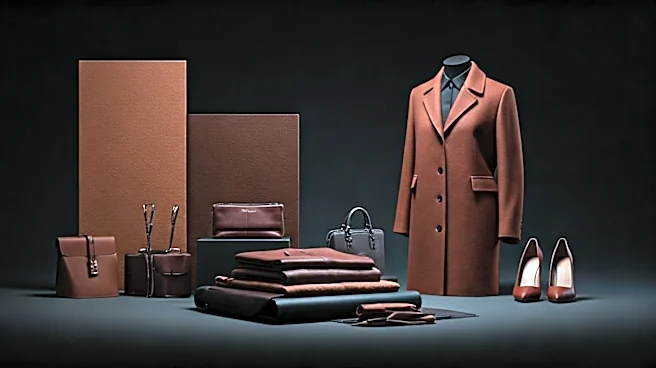
Anyone with a big budget can buy expensive materials. A luxury house can order bolts of the finest cashmere, vicuña, or Japanese selvedge denim. That’s the easy part. True craft is what happens next. Instead of just showing off opulence, master designers
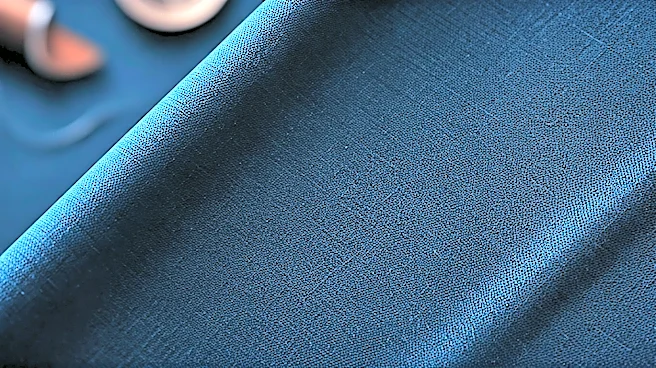
manipulate and innovate. Is the fabric developed exclusively for the house? Look for unusual blends, experimental treatments, or familiar materials used in startling new ways. A designer like Dries Van Noten might spend months perfecting a digital print that feels like a watercolor painting on silk, while a house like Hermès showcases leather so impossibly soft and precisely stitched it feels like a second skin. Don't ask, “Is it expensive?” Ask, “Is it special? Could a fast-fashion brand replicate this in a month?” If the answer is no, you’re on the right track.
2. Read the Story in the Silhouette
The overall shape of a garment is its first sentence. For seasons, menswear has been dominated by a few key silhouettes—the oversized hoodie, the baggy pant, the deconstructed blazer. A lazy designer simply reissues these trends in a new color. A true craftsperson uses silhouette to tell a story or solve a problem. They understand history, referencing a 1940s drape or a 1980s power shoulder not as a costume, but as a starting point for something new. Jonathan Anderson at Loewe, for example, plays with proportions in a way that feels both intellectual and playful, challenging our ideas of what a simple sweater or pair of trousers can be. The checklist item here is intention. Does the silhouette feel considered and purposeful, or does it feel like an algorithm’s attempt to combine current best-sellers? True design has a point of view you can see from across the room.
3. Hunt for the Human Hand
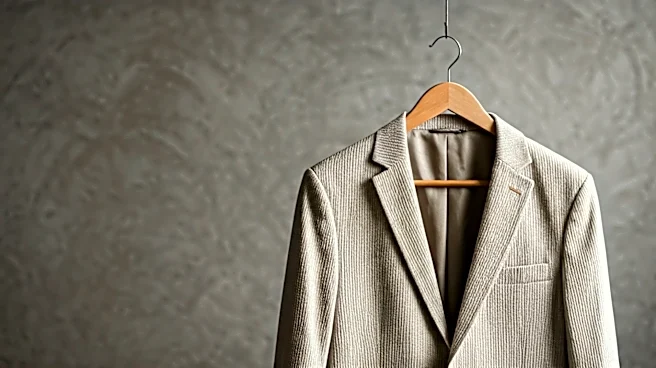
In a world of automated production, the visible mark of a human hand is the ultimate luxury. This doesn’t always mean ornate, over-the-top embroidery (though it can). It’s often more subtle. Look for signs of hand-finishing: pick-stitching along a lapel that is slightly, beautifully imperfect; a buttonhole sewn with silk thread; or a pattern that matches perfectly across seams—a maddeningly difficult feat that requires immense skill in the cutting room. This is the stuff that mass production is designed to eliminate because it’s slow and expensive. It’s the opposite of a screen-printed graphic on a blank t-shirt. It’s the soul of the garment. When you see it, you’re not just looking at a piece of clothing; you’re looking at hours of focused, skilled labor. It’s a testament to the belief that some things are still worth doing the hard way.
4. Check for a Cohesive Vision
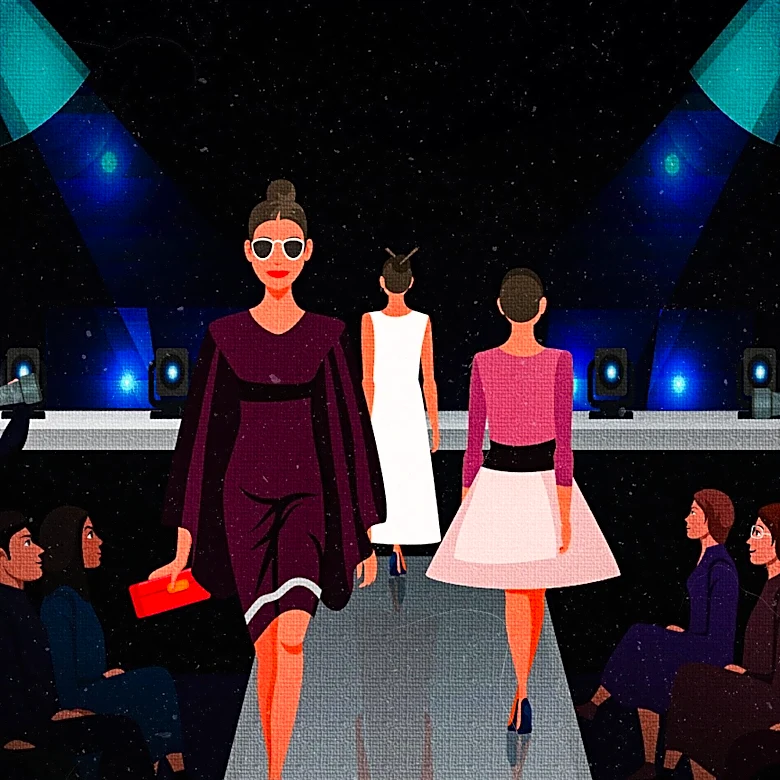
A great collection is not a checklist of commercial items. It’s not “one of these, two of those, and a version of our best-selling sneaker.” A great collection is a world. From the first look to the last, it should feel like every piece belongs together, guided by a single, powerful idea. The color palette, the silhouettes, the styling, and even the music should all serve one narrative. This is where the role of the creative director is most crucial. They are the author of the story. When a collection feels like a random assortment of clothes—a cool jacket here, a nice pant there—it’s usually a sign that commerce has overtaken craft. A strong, unified vision demonstrates confidence and artistic integrity. It tells the audience, “This is what we believe in this season,” rather than asking, “What will you buy?”
5. Ask If It Honors the Wearer
Finally, true craft understands the human body. This isn’t about everything being comfortable or practical in the conventional sense—runway is theater, after all. But the best garments are created with an awareness of how they will move, drape, and feel on a person. An impeccably tailored jacket doesn’t just look good on a hanger; it settles on the shoulders in a way that makes the wearer stand a little taller. The fabric has weight and life. This is the difference between a costume and clothing. Many “conceptual” pieces fail this test, looking brilliant as a static image but awkward and lifeless in motion. The ultimate expression of craft is a garment that not only looks incredible but also transforms the person who wears it, offering them a new posture, attitude, or sense of self. It’s an unspoken partnership between the creator and the wearer.