
A Night of Tributes and Torches Passed
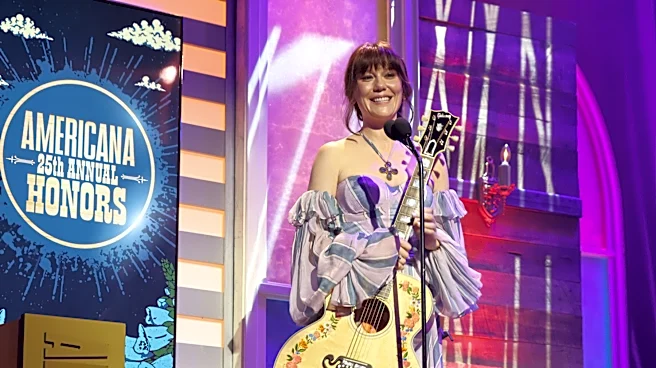
This year's ceremony at the historic Ryman Auditorium was a perfect snapshot of Americana's unique ecosystem. While relative newcomer Molly Tuttle deservedly took home the prize for Artist of the Year, the evening was equally defined by its tributes to enduring
icons. Lifetime Achievement honors were bestowed upon legends like Robert Plant, Dolly Parton, and Tom Petty & The Heartbreakers. The real magic, however, was in the mix. The Heartbreakers didn't just accept an award; they reunited on stage with Chris Stapleton, a modern titan of the genre, for a blistering three-song set. Elsewhere, Brandi Carlile—a superstar who now bridges the gap between establishment and insurgent—joined forces with the trio I'm With Her for a moving tribute to Dolly Parton. It wasn’t a competition between old and new; it was a conversation. The night’s big winners reflected this balance, with Tyler Childers nabbing Album of the Year and newcomer Ken Pomeroy earning Emerging Act of the Year, demonstrating a scene that celebrates its architects and its new builders in equal measure.
Legacy as a Launchpad
In many genres, the old guard is either forgotten or viewed as an obstacle. In Americana, they often become the gatekeepers in the best sense of the word: producers, mentors, and collaborators. Brandi Carlile has become a prominent example, using her platform to produce records for legends like Tanya Tucker and Joni Mitchell, reintroducing their genius to a new generation. This collaborative spirit runs deep. Look at Jeff Tweedy of Wilco producing Mavis Staples, or the late Loretta Lynn's career resurgence after teaming up with Jack White for the album 'Van Lear Rose'. These partnerships aren't just about nostalgia; they are about creative validation. The elder artist gains a contemporary sonic partner who respects their roots, while the younger artist gets a masterclass in authenticity and durability. This dynamic turns the 'generation gap' into a fertile ground for new work that honors the past without being trapped by it.
Redefining the Sound
The creative energy flowing between generations is also what keeps Americana from becoming a museum piece. While rooted in folk, country, blues, and rock, the genre's boundaries are constantly being pushed by younger artists. This year's nominees and performers at AmericanaFest—the week-long festival surrounding the awards—showcased this evolution. You have artists like Charley Crockett, who filters classic country and blues through a modern, almost cinematic lens. Performers like S.G. Goodman and Margo Price infuse their roots-rock with a raw, punk-adjacent energy and sharp social commentary. Meanwhile, a wave of new voices is bringing fresh perspectives and sounds from outside the traditional Americana framework. This influx of new ideas ensures the genre remains a living, breathing thing. The established artists provide the anchor, but the new generation provides the current, pulling the genre into exciting, uncharted waters.
A Culture of Community
Ultimately, the collaborative spirit seen at the awards show is a reflection of the broader Americana culture. The annual AmericanaFest is less a cutthroat industry showcase and more a sprawling, city-wide jam session. It’s common to see a pedal steel player performing with three different bands in a single day or an established songwriter like Kathleen Edwards recommending an unsigned Canadian artist from the stage. This sense of shared purpose creates an environment where a rising star like Ken Pomeroy can share a bill with a veteran duo like Gillian Welch & David Rawlings without it feeling like a contest. It's a scene built on mutual respect, where the success of one artist, young or old, is seen as a victory for the entire community. It recognizes that a rising tide, supported by the bedrock of tradition and pushed forward by the winds of change, lifts all boats.