


The Death of the Traditional Two-Piece
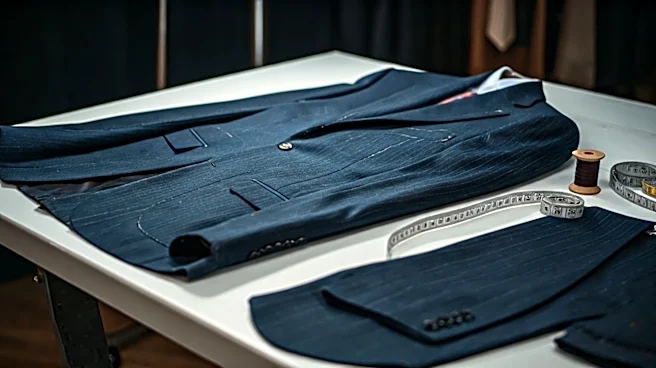
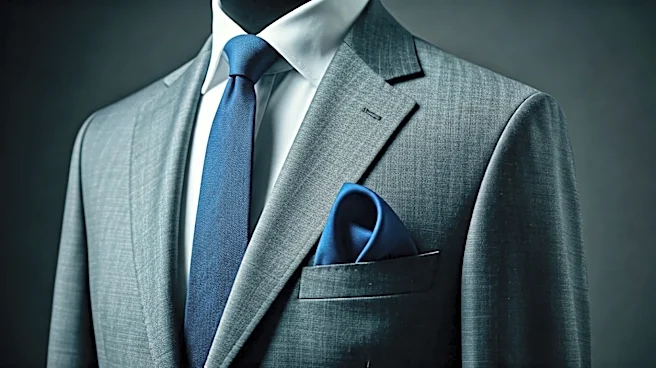
For generations, the suit was a simple formula: a matching jacket and trousers, usually in a somber color, designed to project authority and conformity. It was the armor of the boardroom, the default for weddings, the one 'good' outfit many men owned.
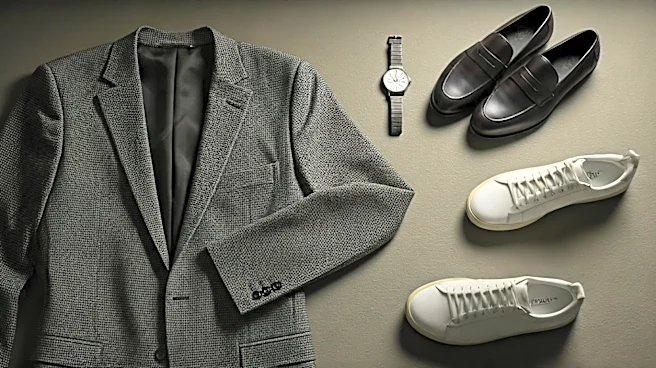
But in the wake of a pandemic that permanently altered our relationship with the office and formal dress codes, the traditional suit has started to feel less like a powerful uniform and more like a historical costume. Why wear a restrictive blazer and starched shirt when a polished knit and tailored chore coat can accomplish the same goal with twice the comfort? This question has been hanging in the air, and Paris Men's Fashion Week just provided a compelling answer.
The Rise of the 'Modular' Mindset
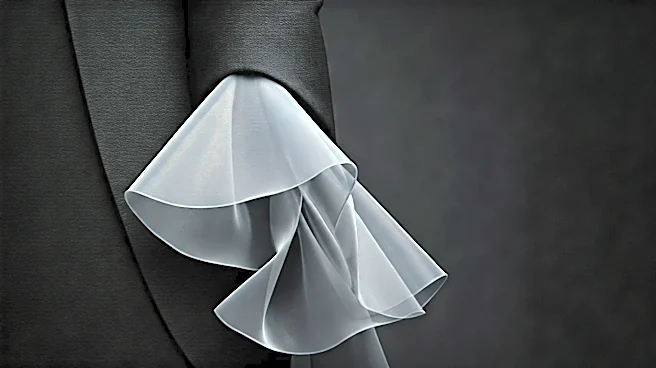
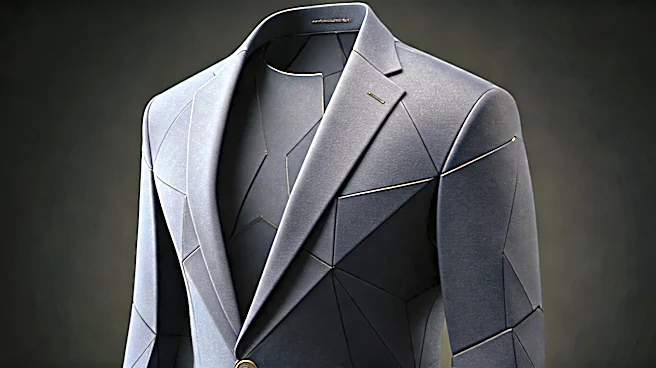
The new vision for the suit isn't about throwing it away, but breaking it down. The keyword is 'modular.' Think of it like high-fashion LEGOs. Designers from powerhouse brands like Dior Men and Loewe to independent labels are presenting suiting not as a single, inseparable entity, but as a collection of compatible parts. A tailored jacket might feature zip-off sleeves, turning it into a vest. Trousers come with detachable cargo pockets or adjustable hems, allowing the wearer to shift from a formal to a casual silhouette in moments. This approach borrows heavily from the ethos of streetwear and technical gear, where customization and personal expression are paramount. It transforms the wearer from a passive participant into an active co-creator of their own look.
Uniformity in a New Key
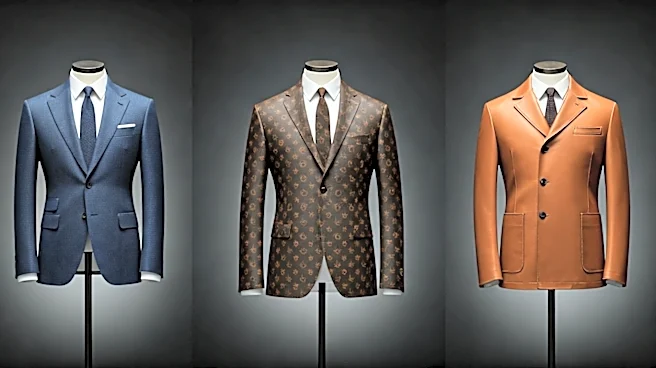
If 'modular' speaks to personalization, the 'uniform' aspect might seem contradictory. But designers are reinterpreting the concept. This isn't the dreary uniformity of a corporate drone pool. Instead, it’s about creating a cohesive, personal aesthetic through a core set of garments. At Louis Vuitton under Pharrell Williams, we saw this in the form of pixelated camouflage patterns applied across a wide range of silhouettes, from classic jackets to shorts and accessories, creating a distinct visual language. Other collections showed a consistent palette and cut across different items, encouraging a mix-and-match approach that still felt intentional and put-together. It’s a uniform of choice, not of obligation—a system of dressing that simplifies daily decisions without sacrificing style or individuality.
Function Over Pure Formality
This evolution is also intensely practical. The new suit prioritizes function. Fabrics are no longer limited to wool and flannel; now we see technical nylons, breathable synthetics, and durable cotton twills typically found in workwear. Details are borrowed from utilitarian garments: jackets with the plentiful pockets of a field coat, trousers with the reinforced knees of a carpenter pant, and the replacement of delicate buttons with sturdy zippers and snap closures. This shift acknowledges a modern reality: men need clothes that can move with them through a varied day that might include a bike commute, a Zoom call, and an evening out, all without a wardrobe change. The new suit is designed for life, not just for the office.