





The Pop-Up Community Center
One of the most powerful effects of a World Cup or Euros is its ability to transform everyday spaces. The local pub, a quiet park, or a city plaza suddenly becomes what urban sociologists call a ‘third place’—a social hub outside the home (first place)
and work (second place). These are spaces where community is built. During a tournament, these third places don't just host regulars; they draw in neighbors, tourists, and passersby, all united by a single, dramatic narrative playing out on screen. This temporary, shared purpose breaks down social barriers. You’re no longer just a person at a bar; you’re a fan, a critic, a fellow sufferer, or a co-celebrant. This mass participation turns private viewing into a public festival, effectively expanding the city's social square footage.
A New Urban Rhythm
Cities run on predictable schedules: the morning commute, the lunch rush, the evening wind-down. A major soccer tournament throws a beautiful wrench in that machine. With games broadcast from different time zones, the city’s rhythm shifts. A 9 AM kickoff might mean cafes are full of people with laptops and jerseys, trying to juggle work and the game. A crucial afternoon match can empty out office floors and create a new, unofficial rush hour as people head to viewing parties. This disruption creates a shared, city-wide experience that feels special and clandestine, like everyone is in on a secret. The familiar urban clock is replaced by a tournament timeline governed by kickoff times and final whistles, making the entire city feel like it’s operating on a more exciting, synchronized wavelength.
Making the Global Local
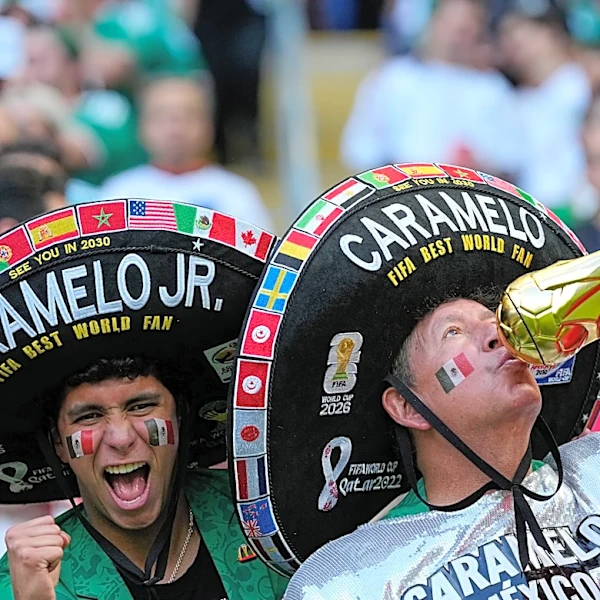
America’s cities are mosaics of global cultures, but those communities aren’t always visible. The World Cup changes that. Suddenly, the streets are filled with the jerseys of Mexico, Brazil, England, Nigeria, and South Korea. Car horns draped in national flags become a common sound. You might discover your quiet neighborhood has a massive contingent of Croatian fans, or that the local Colombian bakery is the unofficial headquarters for every match. The tournament acts as a cultural amplifier, bringing the city's international diversity out into the open. It’s a powerful reminder that your city isn't just a point on a map of the U.S., but a node in a global network. You don’t need a passport; the world comes to your doorstep, making your own hometown feel more cosmopolitan and expansive.
A Taste of the ‘Big Event’ City
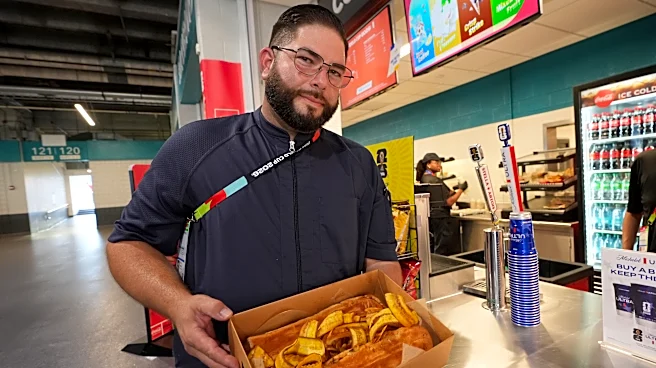
Cities spend billions to host Olympics and World Cups, chasing the economic boost and civic pride that come with being on the world stage. But even if your city isn't an official host, it can still experience a micro-version of this phenomenon. The influx of fans to bars and restaurants provides a tangible economic lift. More importantly, the collective energy fosters a sense of civic pride. Seeing your city alive with passion and camaraderie makes it feel like a place where important things happen. For the U.S., this is especially relevant. With the FIFA World Cup coming to North America in 2026—with host cities like Los Angeles, Kansas City, and Miami—the tournament buzz in non-host cities will serve as a preview. It’s a chance to feel that ‘big event’ energy, a feeling that elevates a city’s self-perception from a place people live to a place that truly *lives*.