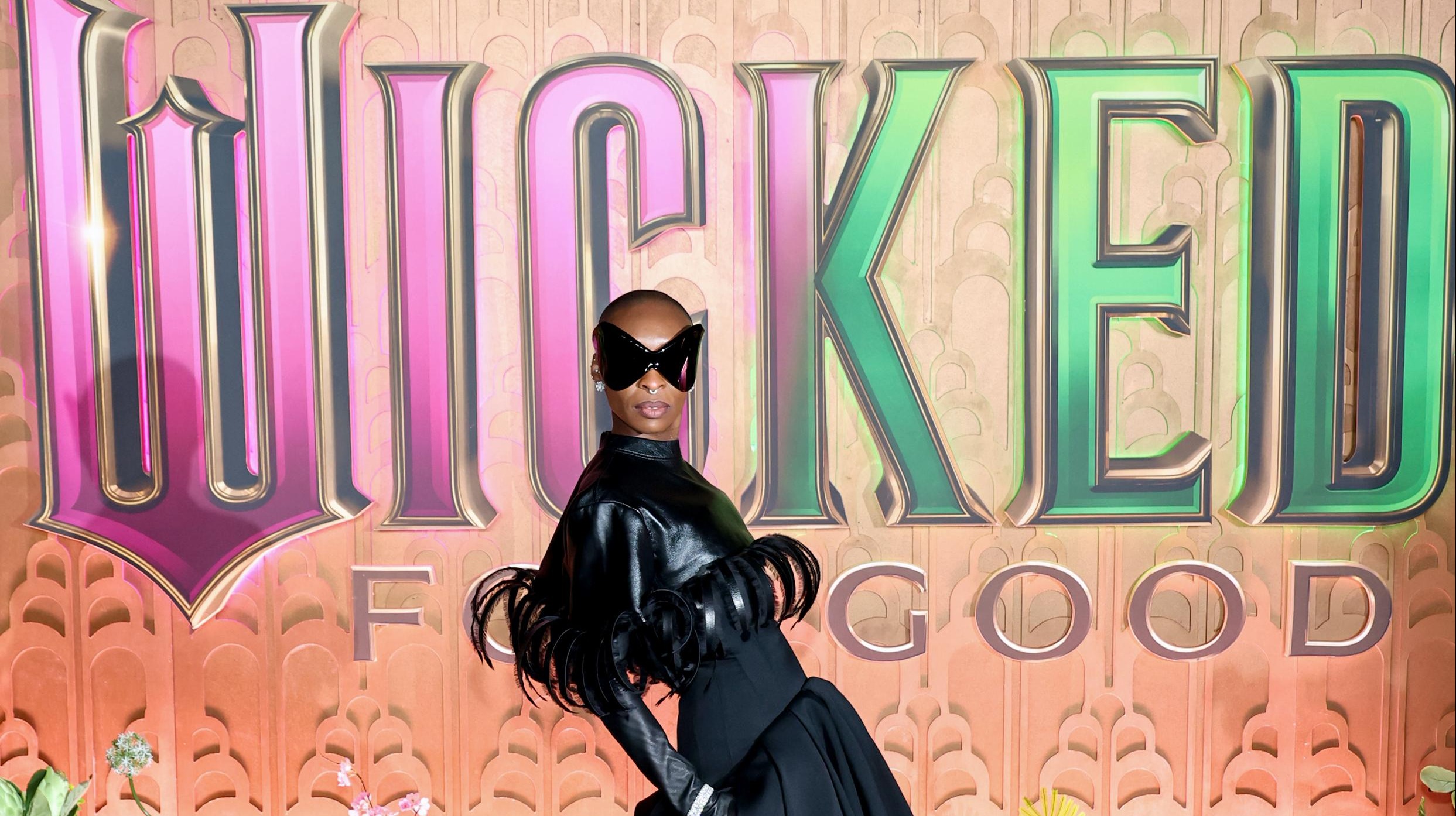




In the sprawling, vibrant world of 'Wicked', the story isn't just told through song—it's woven into every costume and captured in every frame. The film's visual soul comes from two key artists: costume designer Paul Tazewell and cinematographer Alice
Brooks.
A Symphony of Green and Pink
The emotional core of 'Wicked' is the relationship between Elphaba and Glinda, and their signature colors tell the story of their convergence and divergence. Paul Tazewell, an Oscar and Tony-winning designer, approached their palettes as a silent narrative. Glinda’s wardrobe is a confection of pinks, lavenders, and sheer, floating fabrics, reflecting her bubbly personality and desire for public adoration. Her silhouettes, inspired by 1950s Dior and the iconic 1939 film, are designed to appear airy and whimsical, but the structured, corseted bodices hint at the societal cage she finds herself in. In contrast, Elphaba’s dark, often black, clothing begins as a form of armor against a world that ostracizes her. Tazewell uses layers and rich textures to give her monochrome palette depth, moving from the restrictive uniform of Shiz University to more powerful, gothic silhouettes as she embraces her identity. The evolution shows her journey from outcast to a woman in command of her own story.
Lighting Character, Framing Destiny
Cinematographer Alice Brooks, a longtime collaborator with director Jon M. Chu, uses light as another character in the film. A key visual rule was established early on: the sun always sets for Elphaba and rises for Glinda. This simple idea powerfully frames their journeys; Glinda is introduced in the bright morning sun of Munchkinland, while Elphaba finds her power and learns to fly as she soars into the darkness at the end of a long sunset. Brooks worked to make the massive, practical sets feel both epic and intimate. For the crucial Ozdust Ballroom scene, where the two women first truly connect, she bathed the set in a cyan-blue light, a color she discovered made Elphaba’s green skin look its most beautiful. The camera often circles the pair in 360-degree shots, enveloping the audience in their budding friendship, making the grand world of Oz shrink to just the two of them.
Fabric and Focus as Narrative
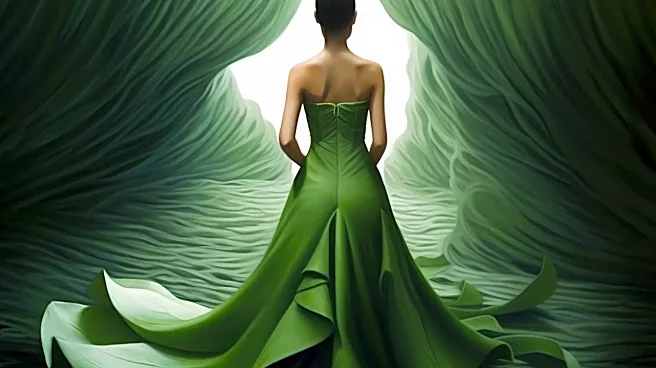
The collaboration between costume and camera is where the storytelling truly sings. Brooks took great care to light Tazewell's intricate costumes, ensuring that even Elphaba’s dark, textured fabrics wouldn't get lost in shadow but would instead reveal their detail and complexity. For instance, the dress Elphaba wears to meet the Wizard features micro-pleated chiffon that looks like velvet from afar but reveals a sinuous, wave-like pattern up close—a visual metaphor for her own hidden depths. As the story moves into its second, darker part, 'Wicked: For Good', these choices become even more pronounced. Tazewell shows Elphaba’s life in exile by upcycling pieces from the first film; a raincoat becomes a sweeping coat, and her hat magically expands, signifying her growing power. Brooks complements this by shifting her cinematography, using more handheld cameras to create a raw, intimate feeling as Glinda and Elphaba face the consequences of their choices.
The Emerald City's Deceptive Glow
Nowhere is the visual storytelling more unified than in the depiction of the Emerald City. Instead of a straightforward wonderland, Tazewell and Brooks create a world of beautiful oppression. The citizen’s costumes, while stunning, are largely uniform, hinting at a loss of individuality. Tazewell used complex techniques like laser-cutting, origami-like folding, and intricate embroidery to build the costumes, giving them a surface-level splendor that masks the city's dark secrets. Brooks’ lighting of these sequences enhances this facade. She often opted to shoot at sunset or created an artificial 'magic hour' light to give the city a glow that feels both enchanting and unnervingly perfect. The use of amber-colored lens flares, chosen to complement both Elphaba’s green and Glinda’s pink, also adds to the sense of a world that is beautiful but not quite real. The result is a city that looks like a dream but feels like a warning.