
The Main & Empire Stage Hierarchy
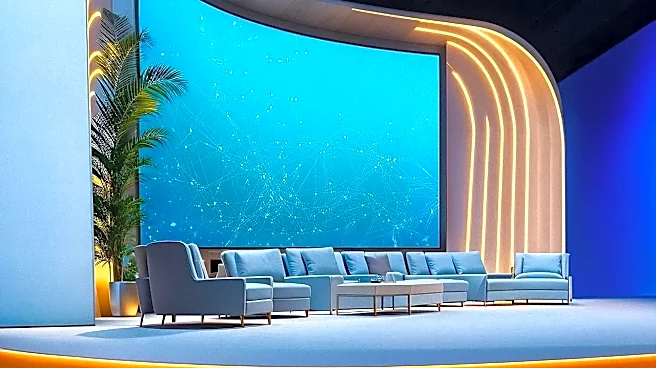
The Javits Center has dozens of rooms, but only two matter for the biggest drops: The Main Stage and the Empire Stage. These are the Madison Square Gardens of Comic Con, reserved for the titans of entertainment—think
Marvel, Star Trek, and major film studios. Landing a spot here is the ultimate goal for any studio looking to make a splash. ReedPop, the company that runs NYCC, uses these stages as anchors for the entire weekend. Access is so coveted that, unlike smaller rooms, fans must win a spot through a pre-show reservation system that often feels like trying to get concert tickets. This lottery system helps manage the massive crowds these panels draw, preventing dangerous overcrowding and ensuring a seat for those lucky enough to get in. These stages are also the only ones officially livestreamed, broadcasting the hype far beyond the convention walls.
A Masterclass in Counter-Programming
Ever felt the agony of choosing between two amazing panels scheduled at the exact same time? That’s not an accident; it's a feature. Organizers intentionally schedule compelling panels against each other—a strategy known as counter-programming. For example, a major comic book panel from DC might run opposite a screening for a hot new horror show. This forces fans to split up, which is crucial for managing foot traffic. If every single blockbuster panel happened one after the other with no conflicts, the hallways would become an impassable sea of people trying to get into the same room. By creating tough choices, NYCC effectively disperses tens of thousands of attendees across the entire venue, preventing logistical nightmares and keeping the fire marshals happy. It’s a necessary evil to keep the whole operation running smoothly.
The Day-by-Day Game Plan
The flow of the con is deliberate. Thursday is often seen as the day for hardcore fans and industry professionals. Panels might be more niche or focused on crafts like comics and animation. Friday sees the energy ramp up as more people take the day off work, with a mix of big TV shows and movie panels. Saturday is the main event. It’s the day with the highest attendance and, consequently, the day reserved for the most massive, can’t-miss panels from the biggest studios, like the blockbuster Star Trek Universe panel. By Sunday, the energy shifts. It’s a shorter day, often dedicated to family-friendly content and popular, long-running network shows that appeal to a broader, more casual audience before everyone heads home.
The Studio and Talent Tango
The final schedule isn't just up to ReedPop; it's a negotiation. Studios and publishers request specific days and times to maximize their press coverage and align with talent availability. An actor might only be able to fly into New York for a single day, forcing a panel to be scheduled around their tight window. Studios also want to avoid being overshadowed. A mid-level movie studio won’t want its panel immediately following Marvel's, where all the oxygen in the news cycle has been sucked up. They’ll lobby for a slot where they can make their own headlines. This creates a complex dance where organizers must balance the needs of dozens of partners, each vying for the perfect moment to capture the attention of fans and media.
Managing Fan Expectations and Burnout
Finally, the schedule is designed to manage the energy of the attendees themselves. Panels must start and end strictly on time to allow for transitions, with only 15-30 minute breaks between sessions in most rooms. Rooms for smaller panels often aren't cleared between events, rewarding fans who are willing to sit through a panel they’re less interested in to guarantee a seat for the next one. This entire system, from the reservation lotteries to the painful overlaps, is built to create a functional, if sometimes frustrating, experience. It recognizes that no one can see everything. The goal isn't to let you build a perfect schedule, but to ensure the entire event doesn't collapse under the weight of its own popularity.