



The Art of Making Things Look Old
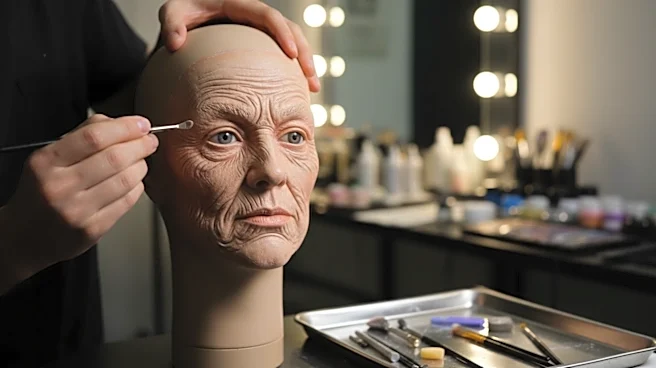
Costume weathering, or distressing, is the art of making new garments look old, worn, and lived-in. It’s a crucial storytelling tool. When done well, it gives a costume history and authenticity. Think of Aragorn’s ranger gear in The Lord of the Rings—scuffed,
stained, and repaired, each mark tells a story of a long journey and a life lived in the wild. This isn't just about making things dirty; it's about adding subtle layers of narrative. Techniques range from sanding fabrics to soften them and mimic wear on elbows and knees, to applying paints and dyes to create the look of sweat and grime in places where they would naturally collect. A thoughtfully weathered costume grounds a fantastical character in a believable reality.
From 'Lived-In' to Just Plain Grimy
The problem arises when this technique becomes a blunt instrument instead of a fine-tipped brush. In the wake of hyper-influential shows like Game of Thrones, which masterfully used costuming to reflect the harsh realities of its world, a new default emerged. Suddenly, it seemed every fantasy production equated “serious” with “dirty.” This trend toward what some call “gritty realism” can lead to over-weathering, where every costume, regardless of the character’s status or location, is caked in mud and indiscriminately distressed. The nuance is lost. Instead of telling a story of a specific character's journey, the grime becomes a generic aesthetic choice, a visual shorthand for a dark and serious world that ends up feeling monotonous.
When Mud Erases Magic
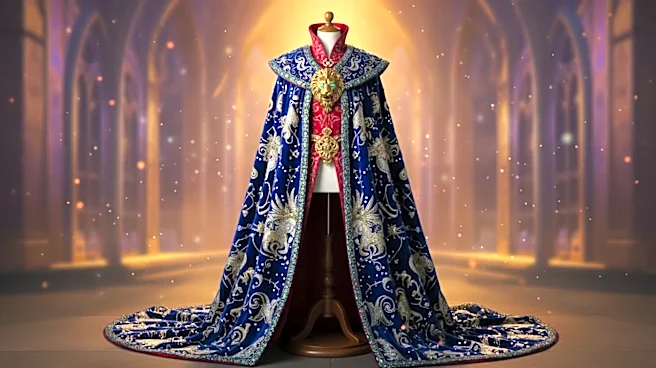
Excessive weathering flattens the visual language of a fantasy world. Costume design is a powerful way to communicate character, status, and culture without a single line of dialogue. When a royal advisor’s robes are as frayed and dirty as a stablehand’s tunic, that visual storytelling is lost. Luxury in costuming isn’t just about looking pretty; it signifies power, wealth, and societal structure. The intricate embroidery on a queen’s gown tells you about her kingdom’s resources and artistry. The pristine, otherworldly fabric of an elven cloak hints at a magical, advanced civilization. When everyone is covered in the same layer of brown-gray grime, these distinctions disappear. The world becomes visually and narratively poorer, and the unique escapism that draws us to fantasy—the chance to see things beyond our own reality—is diminished.
The Enduring Power of a Clean Gown
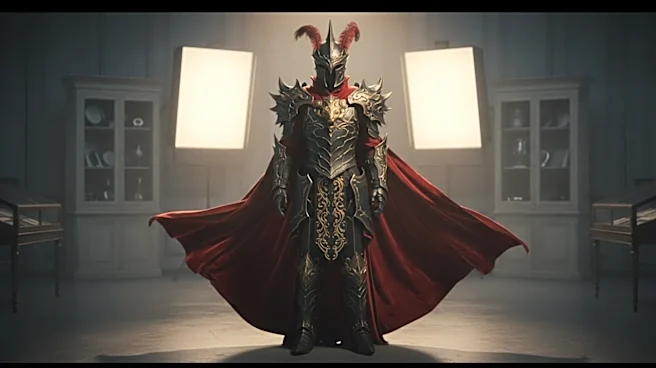
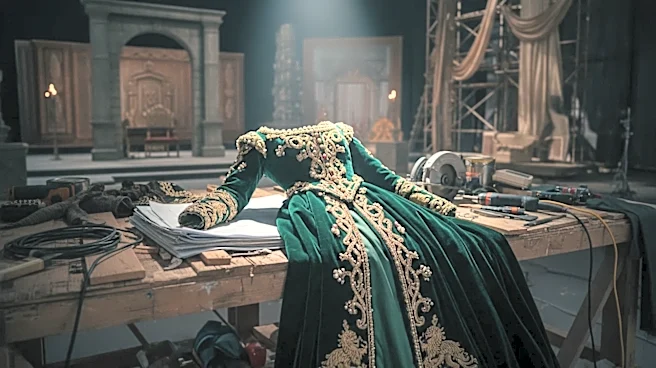
Conversely, a lack of weathering can be just as powerful a storytelling choice. The opulent, impractical gowns of the Lannisters in early Game of Thrones immediately established their wealth and disconnection from the hardy practicality of the Starks. The rich velvets and jewel tones worn by mages in The Witcher signify their elevated, powerful status. Fantasy doesn’t always need to be grounded in the mud and dirt of our own history. Sometimes, its power lies in showing us something impossibly beautiful, clean, or strange. The luxury of a perfectly tailored, immaculate costume can transport us to a world where such things are possible, whether through magic, advanced technology, or a different social structure. This contrast between the pristine and the broken-down is what creates a dynamic, believable world.