







The Crushing Weight of History
To understand the baggage, you have to go back to 1966. That was the year England, playing on home soil, won its first and only men’s World Cup. The image of captain Bobby Moore holding the trophy aloft in a simple red jersey is etched into the national
psyche. Ever since, every single tournament—and every single jersey—has been measured against that singular moment of glory. The phrase “years of hurt” from the popular soccer anthem “Three Lions” isn’t just a lyric; it’s a cultural summary of decades of near-misses, heartbreaking penalty shootouts, and quarter-final flameouts. When players pull on the modern, high-tech kit, they are also wearing the ghosts of every team that has tried and failed to replicate 1966. The jersey isn't just fabric; it's a vessel for more than half a century of accumulated national longing.
The Politics of a Simple Cross
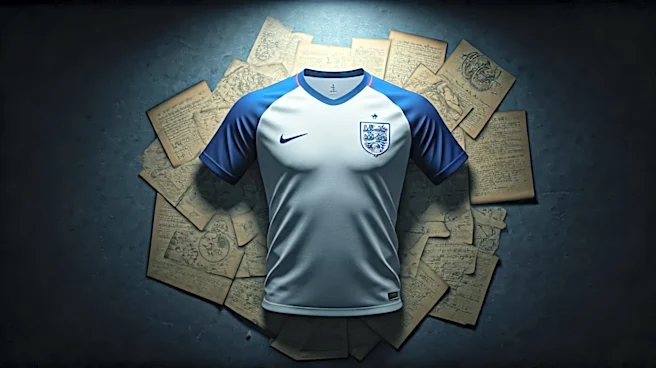
The most recent firestorm, over the 2024 Euro jersey, is a perfect example of the second type of baggage: identity politics. Nike, the manufacturer, introduced a “playful update” to the St. George’s Cross on the collar, rendering it in shades of purple and blue instead of the traditional red on a white background. The backlash was immediate and fierce, with politicians from the Prime Minister down decrying the change as an affront to a national symbol. For many Americans, altering a flag's colors might seem like a minor design choice. But in England, the St. George's Cross is a loaded emblem. For decades, it was co-opted by far-right nationalist groups, making many fans reluctant to wave it. Only in recent years has it been successfully reclaimed as a more inclusive symbol of sporting pride. Tampering with it, even in a small way, taps into a raw nerve about national identity, tradition, and who gets to define what the flag means.
A Very Pricey Piece of Hope
Then there’s the commercial baggage. Every two years, a new home and away kit are released, and every two years, the nation collectively gasps at the price tag. An “authentic” version—the same one the players wear—can run upwards of $150, while a standard “stadium” replica for adults still costs nearly $100. For a family wanting to kit out their kids, the cost is staggering. This cycle fuels a cynical and recurring debate: are manufacturers and the Football Association (FA) exploiting the loyalty of a passionate fanbase? Pundits and fans accuse them of monetizing hope, selling an expensive dream that, more often than not, ends in disappointment. The jersey becomes less a symbol of unity and more a marker of consumer culture's grip on the “people’s game.”
A Symbol of a Changing Nation
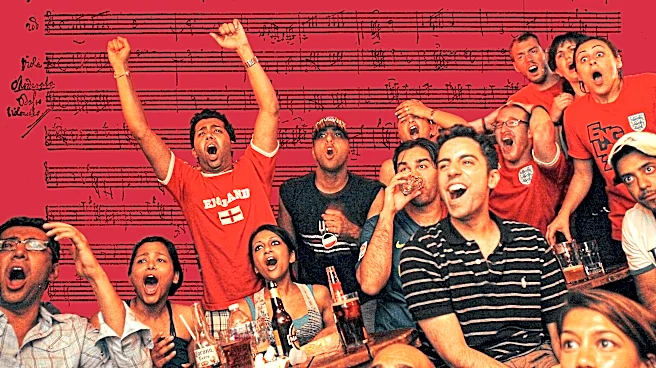
The jersey’s baggage isn't all negative. It also tells a story of transformation. In the 1980s and '90s, the England shirt was often associated with the dark cloud of hooliganism, a symbol of aggressive, ugly nationalism that shamed the country on the world stage. For a time, wearing one in public in some parts of Europe was asking for trouble. But under current manager Gareth Southgate, the team has been consciously rebuilt as a reflection of a modern, multicultural England. Players like Bukayo Saka, Marcus Rashford, and Raheem Sterling have become icons not just for their skill, but for their social conscience and grace under pressure. Today, the jersey is increasingly seen as a symbol of this new, more inclusive and admirable English identity. It represents a team that is easy to root for, washing away some of the stains of the past.