





The Case Against: Uniform of the Uninspired
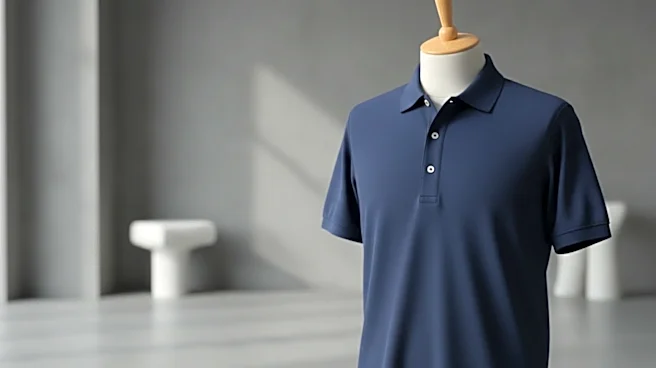
For many in the design world, the polo shirt carries some heavy baggage. The primary criticism centers on its modern identity as the default uniform for corporate life and service industries. It’s the go-to for tech support staff, retail employees, and middle
managers at a company golf outing. This ubiquity has, for some, stripped the shirt of its personality, turning it into a symbol of bland, compulsory casualness. Critics often point to the classic piqué cotton polo, which can have a boxy, unflattering fit that looks sloppy. The sleeves can be too wide, the torso too short, and the ribbed collar prone to curling after a few washes, signaling a lack of care. This version of the polo is seen as a sartorial compromise—not as relaxed as a t-shirt, and not as sharp as a proper button-down. It occupies a stylistic no-man's-land that many designers find deeply uninspiring.
The Defense: An Icon with a Rich History
Supporters, however, argue that dismissing the polo is to ignore its storied past and enduring versatility. The modern polo shirt wasn't born in a boardroom but on the tennis court in the 1920s, designed by René Lacoste as a practical, short-sleeved alternative to the restrictive athletic wear of the time. It was an innovation. From there, it was adopted by polo players, golfers, and eventually became a staple of preppy, aspirational American style thanks to brands like Ralph Lauren. Designers who embrace the polo see it as a true archetype—a piece of clothing so foundational that it can be endlessly reinterpreted. They point to its adoption by diverse subcultures, from British Mods in the 60s who favored Fred Perry polos to hip-hop artists in the 90s who remixed its preppy connotations. To them, the polo is not a uniform but a canvas.
The Real Issue: It's How You Wear It
The heart of the disagreement may not be about the polo shirt itself, but about execution. The gap between a good and a bad polo is immense. Senior designers who champion the shirt are almost never talking about a cheap, logo-emblazoned piqué version. They are referring to a different breed entirely. Modern luxury and contemporary designers have transformed the polo. They use elevated materials like merino wool, silk blends, or fine-gauge knitted cotton, giving the shirt a completely different drape and feel. The fit is slimmer, the collars are more structured, and the details are refined. The frumpy “dad polo” is replaced by the sophisticated “knit polo,” which functions more like a casual sweater. In this context, the argument shifts from whether to wear a polo to which polo to wear and how to style it—paired with tailored trousers instead of baggy shorts, for instance.
A Timeless Canvas for Today
Ultimately, the polo shirt's ability to spark such debate is a testament to its staying power. Few garments have been so thoroughly integrated into every level of society, from presidents and pop stars to baristas and IT specialists. This makes it a sartorial Rorschach test. Where one designer sees a lazy choice, another sees an understated classic. As luxury brands like Prada and Chanel release their own high-fashion interpretations and sustainability becomes a focus with versions made from recycled materials, the polo continues to evolve. The disagreement among designers isn't a sign that the polo is dead; it's proof that it’s still one of the most relevant and contested pieces of clothing in the American wardrobe.