


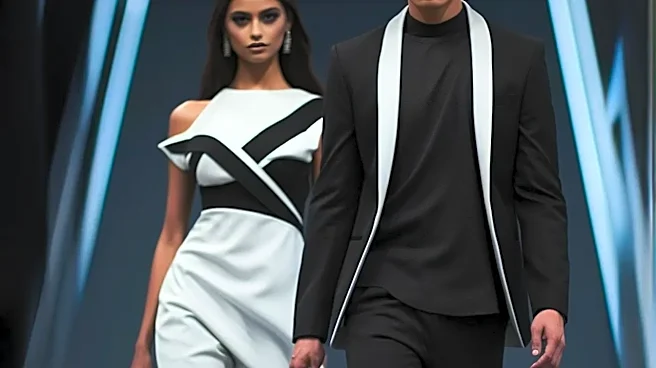
The Runway as Performance Art
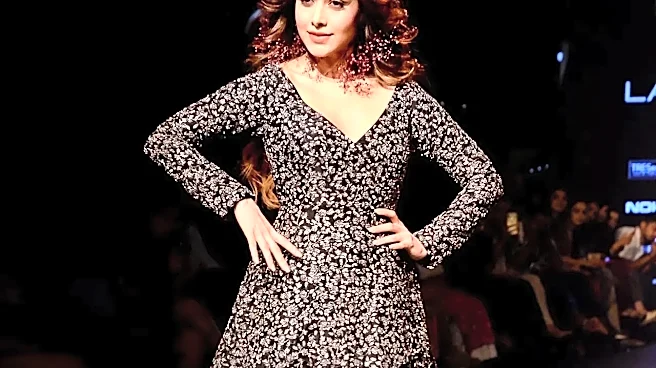
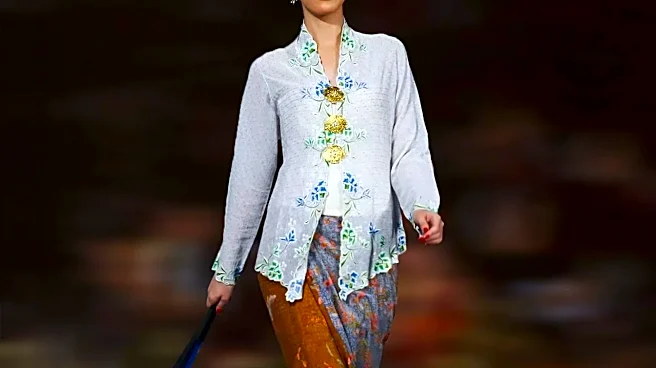
First, let's get one thing straight: a fashion show is not a shopping catalog. It’s theater. Designers have long used the runway as a stage for performance art, creating immersive experiences that are about telling a story, not just presenting clothes.
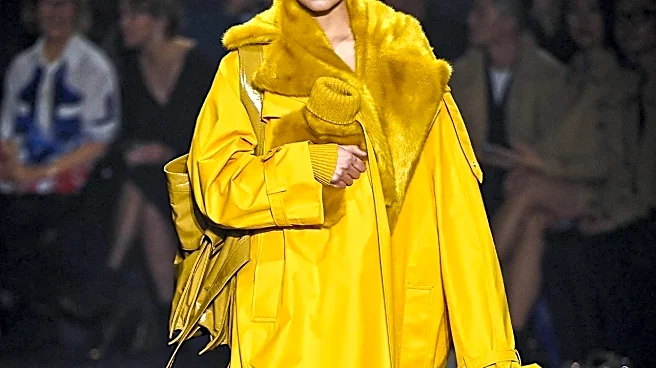
Think of Alexander McQueen’s iconic, often confrontational shows or Thom Browne’s surrealist fantasies, which often close out New York Fashion Week. These presentations are designed to generate buzz, define a brand's creative identity, and communicate a powerful vision. The most avant-garde pieces are like concept cars—they are experiments in form, material, and ideas that showcase a designer's full creative range, unburdened by the immediate need for commercial appeal. They are the artistic statements that grab headlines and lodge a brand in our cultural consciousness.
Recalibrating Our Eyes, One Wild Look at a Time
The real magic happens in the gap between the runway and your closet. When we’re exposed to extreme, avant-garde silhouettes online and in magazines, our visual palate changes. It’s a psychological trick of contrast. A dress with enormous, sculptural shoulders might be unwearable, but after seeing it, a blouse with a slightly puffed sleeve suddenly looks normal, even desirable. The spectacle pushes the boundaries of what is considered aesthetically acceptable, creating a new middle ground. That slightly asymmetrical hemline or bold color combination you might have dismissed last season now seems tamer and more accessible. In essence, the runway's fantasy gives us permission to be a little more daring in our own real-world choices, stretching our definition of "wearable" without us even noticing.
The Halo Effect: Selling a Feeling, Not Just a Dress
No one expects a department store to stock the 10-foot-wide gown from the runway finale. That’s not the point. The point of the spectacle is to create a powerful "halo effect" around the entire brand. The creativity, excitement, and artistry of the show cast a glow on the label's more commercial items. You might not buy the sculptural jacket, but you remember the feeling of innovation and confidence it projected. That feeling is what sells the brand's handbags, sneakers, fragrances, and logo T-shirts. The viral runway moment is the ultimate advertisement; it builds an identity that makes the accessible products feel more special and aspirational. It’s a classic marketing strategy: the show creates the dream, and the retail floor sells a small, affordable piece of it.
From Catwalk to Sidewalk via Social Media
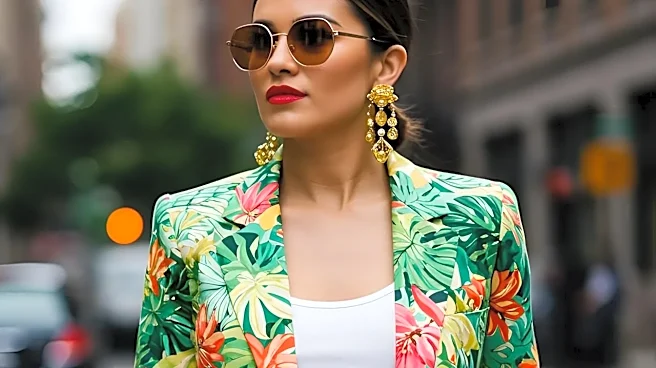
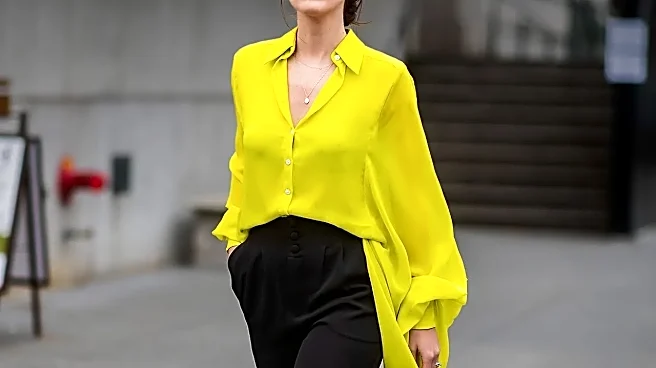
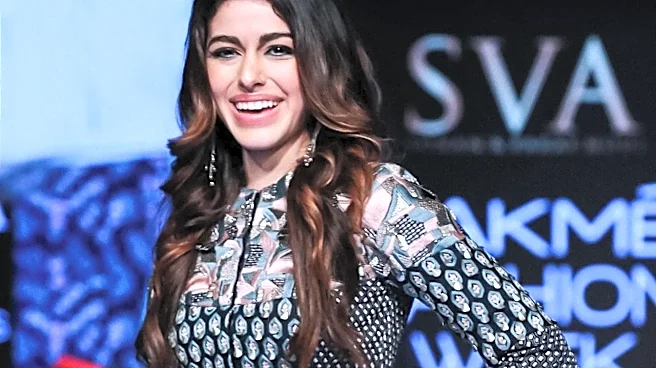
In the past, fashion trends trickled down from elite editors to the masses over months. Today, social media has turned that trickle into a firehose. A theatrical look from a NYFW show can go viral on TikTok and Instagram within minutes, seen by millions who have never been near a runway. This immediate, global audience changes the purpose of a show. It becomes less about communicating with a small room of industry buyers and more about creating a single, powerful image that can travel the world digitally. This feedback loop also works in reverse, with designers now drawing inspiration directly from authentic street style. The line between the performance of the runway and the performance of everyday life has blurred, making the conversation between what we see and what we wear more dynamic than ever.