





The Modern Nordic Slip
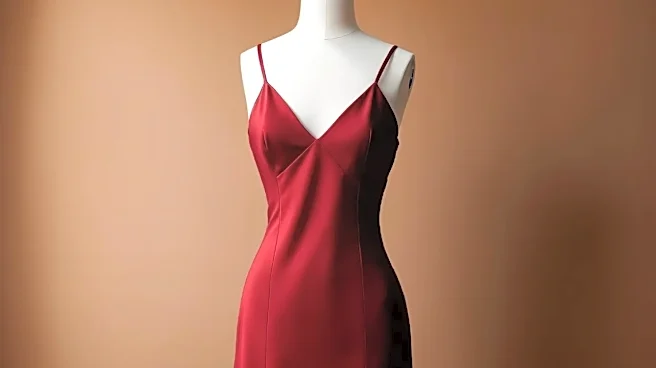
Scroll through any feed of Scandinavian fashion, and you’ll see it: a slip dress that hangs just so. It doesn’t cling, but it follows the body’s outline. It seems impossibly simple, yet it looks expensive, exuding a quiet confidence. Often crafted from
a single piece of lustrous silk or satin, it has become a cornerstone of the modern Nordic wardrobe, celebrated for its versatility and minimalist purity. This isn't the lingerie-inspired slip of the '90s, but something more architectural and fluid. The magic lies not in complicated patterns or embellishments, but in the way the fabric itself is treated—a method perfected generations ago.
A Revolution in a Cut
To understand the genius of this dress, we have to travel back to 1920s and '30s Paris, to the atelier of a designer named Madeleine Vionnet. At a time when dresses were often structured and cut along the rigid straight lines of a fabric's weave, Vionnet did something revolutionary. She turned the fabric 45 degrees, cutting it on the “bias.” Before Vionnet, fabric was seen as a flat material to be constructed into a shape. She saw it differently, treating it like a sculptural medium. By cutting on the diagonal grain, she unlocked a fabric’s hidden potential for stretch, drape, and movement, even in non-stretchy wovens like silk. This simple-sounding shift fundamentally changed the silhouette of modern fashion.
The Science of Slink
So, what exactly is a bias-cut? Imagine a woven piece of fabric. It has vertical threads (the warp) and horizontal threads (the weft). These threads offer very little give. But the true bias is the 45-degree angle between them. When fabric is cut along this diagonal, the threads can shift and move, creating a natural mechanical stretch. This allows a garment to skim and glide over the body’s curves rather than straining against them. The result is that signature liquid drape that became the hallmark of 1930s glamour. It’s a notoriously difficult and wasteful technique; patterns can’t be tessellated neatly, consuming more fabric and requiring immense skill to prevent the material from stretching and warping during sewing. But the result is a garment that feels almost alive, moving with the wearer in a way that structured clothing never could.
The Look of an Era
Vionnet’s innovation quickly defined the look of the 1930s, moving fashion away from the boxy, androgynous shapes of the Roaring Twenties toward a more languid and feminine ideal. Hollywood’s silver screen sirens, from Greta Garbo to Jean Harlow, were poured into bias-cut satin gowns that rippled like mercury as they walked. These dresses celebrated the natural female form without the need for restrictive corsets, offering an unprecedented combination of glamour and freedom. The backless evening gown, a daring statement of the decade, was almost always cut on the bias to ensure it clung elegantly to the contours of the spine. It was sensuous, sophisticated, and utterly modern.
Why It Resonates in the North
Decades later, the bias-cut has found its spiritual home in Scandinavian design. Why? Because the technique perfectly aligns with Nordic style principles. The Scandinavian aesthetic prioritizes form derived from function, quality materials, and enduring, minimalist design over fleeting trends. A bias-cut dress embodies this philosophy. Its beauty comes from the integrity of its construction, not from added frills. The focus is on the quality of the fabric and the mastery of the cut. It’s a single idea, executed perfectly. This “less is more” approach, where the technique is the design, allows for a garment that is both incredibly luxurious and profoundly simple—a core tenet of the coveted Copenhagen-cool look. The comfort and freedom of movement it provides also speak to a practical, modern lifestyle.