





Gravity’s Visceral, Primal Solitude
Alfonso Cuarón’s 2013 film Gravity is less a story and more a 90-minute panic attack. For Dr. Ryan Stone (Sandra Bullock), isolation isn't a philosophical concept; it's a physical and immediate threat. When a cascade of satellite debris destroys her space
shuttle, she is sent tumbling into the abyss, tethered to nothing. The film's genius lies in making her isolation feel terrifyingly real. Long, uninterrupted shots and a soundscape that alternates between her panicked breathing and the absolute silence of space plunge the audience directly into her helmet. Her solitude is a brutal, physical state of being. Stone is already emotionally isolated on Earth, reeling from the death of her young daughter. Space simply makes her internal state an external reality. Her journey isn't about solving a complex problem or discovering a great truth; it's about the primal, moment-to-moment fight to survive an environment that is actively trying to kill her. The universe here is not wondrous but indifferent and hostile, a black void that must be overcome.
Project Hail Mary's Existential Loneliness
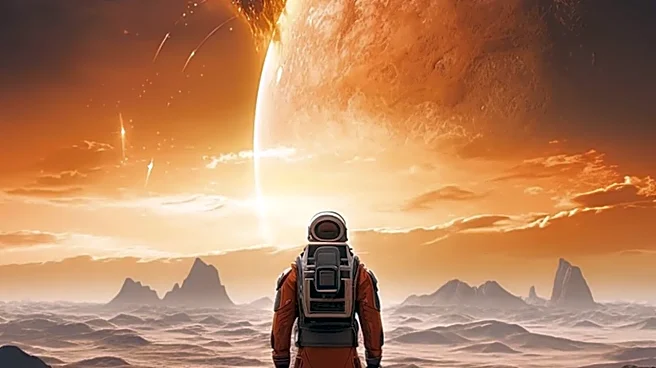
In Andy Weir’s novel Project Hail Mary, the isolation is quieter but just as profound. Dr. Ryland Grace (portrayed by Ryan Gosling in the film adaptation) wakes up from a coma on a spaceship with amnesia. He is the sole survivor of a desperate mission to save Earth, though he doesn't remember volunteering for it—or that he was, in fact, forced into it. His loneliness is initially intellectual and existential. Who is he? Where are his crewmates? What is his purpose? The empty bunks and the silence of the ship are clues in a mystery he must solve to save not just himself, but all of humanity. Unlike Stone's frantic survival, Grace’s challenge is methodical. He is a scientist, and he approaches his solitude as a problem to be diagnosed and addressed. The psychological toll is immense, yet his focus remains on the mission. For Grace, isolation is the starting condition of a cosmic puzzle, a deep, abiding loneliness that stretches across light-years.
The Solution: Rebirth vs. Friendship
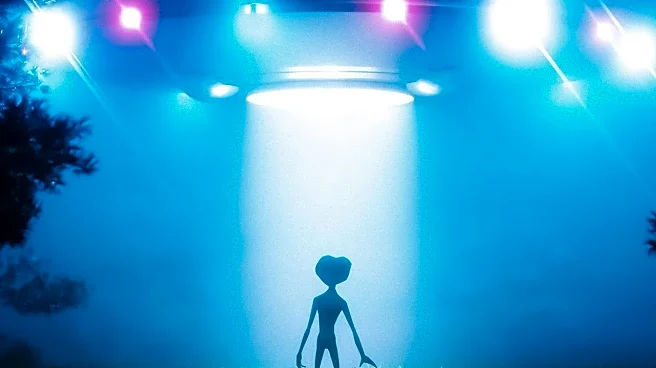
Here is where the two stories diverge most sharply. The cure for isolation in Gravity is internal. Trapped and losing hope, Stone's turning point comes from within, spurred by a hallucination of her deceased crewmate. Her will to live is reignited, and her battle becomes one of personal rebirth. She saves herself by choosing to live again, a decision that culminates in her crashing back to Earth and taking her first shaky steps on solid ground—a powerful symbol of starting over. Project Hail Mary finds its solution externally. Grace's profound solitude is shattered by the discovery that he is not alone in the universe. He makes contact with an alien, nicknamed Rocky, whose own world faces the same existential threat. His story transforms from one of lonely sacrifice to one of interspecies collaboration and, eventually, deep friendship. The novel argues that the antidote to loneliness is connection, even if that connection comes in a form no one could have ever predicted. Grace’s journey isn’t about returning home; it's about finding a new purpose through an unexpected relationship.
Two Views of Humanity's Place in the Cosmos
Ultimately, Gravity and Project Hail Mary use isolation to offer two distinct visions of humanity. Gravity is a profoundly humanistic and terrestrial story. It suggests that even when faced with the cold, empty indifference of space, the individual human spirit has the strength to endure and return home. It’s a story of resilience, where the goal is to get back to Earth and plant both feet on the ground. Project Hail Mary is a story of cosmic optimism. It uses isolation as a setup to show that intelligence and cooperation are universal concepts. It suggests that while the universe is vast, we may not be alone in it, and that friendship can bridge any gap, no matter how many light-years wide. Grace's final choice to save his friend's species at the cost of his own return home solidifies this theme. One story celebrates the strength to come back; the other celebrates the courage to move forward, wherever that may lead.