




The Anatomy of Scandi Cool
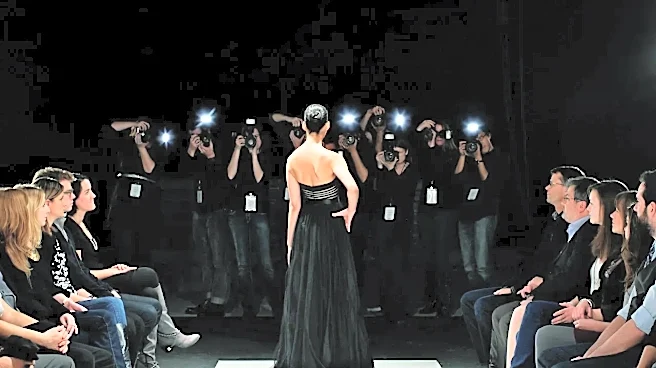
Copenhagen Fashion Week has become a global benchmark for a certain kind of effortless style. At its heart is the fluid dress, often voluminous and made of lightweight fabric. Brands like Cecilie Bahnsen and Ganni have built empires on this aesthetic,
which blends architectural volume with a sense of carefree ease. Picture billowy, almost sculptural silhouettes that seem to float around the body rather than clinging to it. This look is all about movement—the dress is a partner in motion, whether the wearer is cycling through the city or walking down a cobblestone street. The goal is to look polished but not precious, a key tenet of the broader Scandinavian approach to dressing. But getting that perfect, floaty-but-not-chaotic movement is a deliberate design choice.
The Hidden Detail: What is Hem Weight?
Enter the hem weight. It’s a trick that has been used in high-end tailoring for decades, a mark of quality and thoughtful construction. Coco Chanel famously sewed chains into the hems of her jackets to ensure they would hang perfectly straight. In the context of a fluid dress, a hem weight serves a similar purpose. It can be a small, discreet chain, a series of tiny weights, or a cord sewn into the very bottom edge of the garment. The idea is to add just enough mass to the lightest part of the dress—the hemline—to give it direction and control. While horsehair braid can be used to give a hem structure and flare, weights specifically add downward pull, grounding the fabric.
Taming the Fabric, Perfecting the Drape
So why does this matter? A voluminous dress made of lightweight cotton, silk, or sheer fabric is, by its nature, susceptible to the elements. A gust of wind can send the hem flying, leading to an awkward Marilyn Monroe moment. Without a guiding force, the fabric can billow out unflatteringly, creating a shapeless, tent-like silhouette. The hem weight acts as an anchor. It provides a gentle, persistent pull that encourages the fabric to fall and drape beautifully. It controls the chaos. The weight ensures that as the wearer moves, the dress sways and dances with an elegant, pendulum-like motion instead of flying up wildly. It's the difference between a garment that works with you and one that you have to constantly fight to keep in place.
A Signature of Thoughtful Design
In a world of fast fashion, the weighted hem is a quiet symbol of quality. It’s an invisible detail that most people will never see, but its effect is undeniable. Adding weight to a hem is an extra step in the manufacturing process, one that is often skipped in cheaper garments. When you see a dress that moves with that signature Copenhagen grace, it’s often because a designer has considered the physics of the piece and invested in its performance. It’s a detail that separates a considered, lasting garment from a fleeting trend piece. The weight ensures the designer's intended silhouette is maintained not just on a stationary mannequin, but in the real world, in motion. It’s a small bit of engineering that creates the effortless feel everyone is chasing.