





An Invisible Opponent: The Summer Sun
When the world’s best soccer players descend on the United States, Mexico, and Canada in June and July of 2026, they’ll face a grueling schedule. While Canadian cities like Vancouver and Toronto offer mild summer climates, the U.S. leg of the tournament
is a different story. Key host cities—including Miami, Dallas, Houston, Atlanta, and Kansas City—are notorious for their sweltering summer heat and oppressive humidity. We’re not just talking about a warm day; we’re talking about afternoon temperatures consistently soaring into the high 90s (over 35°C), with humidity making it feel well over 100°F (38°C). This isn't just uncomfortable; for elite athletes running over seven miles a game, it's a significant physical obstacle. FIFA learned this lesson during the 1994 World Cup in the U.S., where midday kickoffs in places like Dallas and Orlando led to visibly exhausted players and often slower, more cautious games.
The Science of Soccer in the Heat
Playing soccer in extreme heat isn't just a matter of mental toughness; it's a physiological battle. The human body cools itself by sweating, but high humidity prevents that sweat from evaporating effectively, causing an athlete's core body temperature to rise to dangerous levels. To compensate, the body diverts blood flow to the skin to try and cool down, which means less oxygen-rich blood is going to the muscles. The result? A measurable drop in performance. Sports science studies show that high-intensity sprints—the very actions that create goals and break defenses—decrease in both frequency and length in hot conditions. Players dehydrate faster, their heart rates stay elevated, and decision-making can become impaired as the brain struggles with the thermal strain. Even for the fittest athletes on Earth, the body simply cannot perform at its peak when it’s also fighting to avoid overheating. This creates a physical ceiling on what's possible during a 90-minute match.
A Tactical Revolution by Necessity
Coaches aren't going to just watch their players melt. The heat will force tactical adjustments across the board. Expect teams to play a much more conservative, possession-based style. Instead of the high-octane pressing (the *gegenpress*) favored by many top European clubs, teams will likely sit back in a more compact defensive shape, conserving energy and picking their moments to attack. The ball will do the work, not the players. The five-substitution rule, a legacy of the pandemic era, will become a coach's most important tool. It will allow teams to inject fresh legs and energy in the second half, essentially creating a 'closing' lineup to see out games. We may see more deliberate stoppages, more time spent on set pieces, and a general slowing of the game's tempo, especially in the first hour of matches held during the afternoon.
Who Gets a Built-In Advantage?
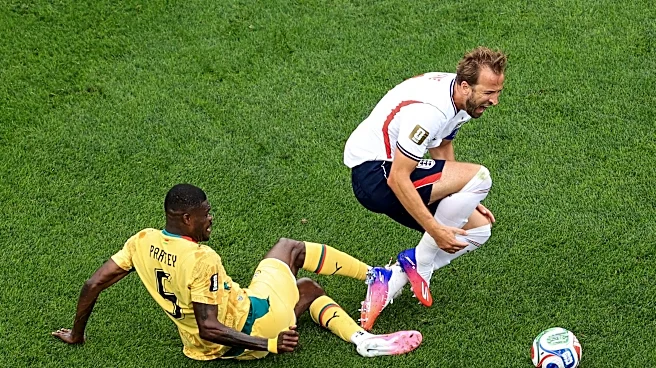
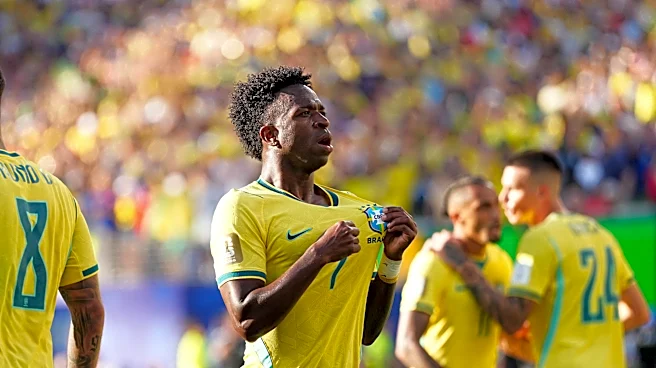
This is where the tournament could get unpredictable. Teams from cooler, northern European climates like England, Germany, Denmark, or the Netherlands may find themselves at a significant disadvantage. Their players are less acclimated to performing in suffocating humidity, and their typically high-energy styles may be unsustainable. On the other hand, nations from South America, Central America, and Africa could find the conditions more familiar. Players from countries like Brazil, Colombia, Nigeria, or Mexico are more accustomed to training and playing in the heat. This doesn't guarantee them victory, but it does reduce one of the major physical hurdles. This environmental factor could act as an equalizer, leveling the playing field between the traditional European powerhouses and other talented squads. It could be the X-factor that allows a dark horse to make a deep run, knocking out a favorite who simply can't cope with the climate.