




The Case for Cream: A Natural, Skin-Like Finish
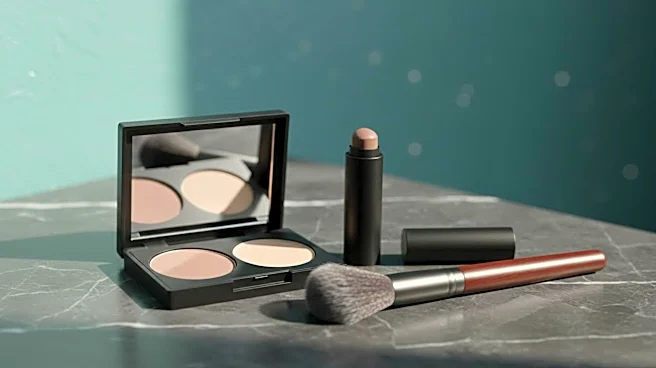
Advocates for cream contour champion its ability to create a truly believable shadow. Because cream products are emollient-based, they melt into the skin with the warmth of your fingers or a sponge, blending seamlessly with foundation for a finish that
looks like natural bone structure, not makeup. This makes it a favorite for achieving modern, dewy looks. Its hydrating properties are a major advantage for those with dry or mature skin, as it won't cling to dry patches or settle into fine lines the way powders can. For beginners, cream contour is also more forgiving; its blendable nature means mistakes can be easily diffused, making it less intimidating than its powder counterpart.
The Argument for Powder: Precision and Lasting Power
On the other side of the aisle, powder contour has been a staple in makeup kits for decades for good reason. For those with oily or combination skin, powder is often non-negotiable. Its matte finish helps control shine and its formulation is less likely to slide around on oil-prone areas. Powder offers a level of precision and control that can be harder to achieve with creams, allowing an artist to build sharp, defined lines for a more dramatic, sculpted effect. It also boasts superior longevity, making it the go-to for long events, stage productions, or humid conditions where makeup needs to stay locked in place for hours.
The Real Disagreement: It's About the Job, Not Just the Tool
So, what's the real reason for the disagreement? It turns out, professional artists don't argue about which product is inherently 'better' but which is better for a specific context. The choice is dictated entirely by the desired outcome and the canvas they're working on. An artist aiming for a red-carpet look that needs to withstand hours under hot lights might reach for powder. For an editorial shoot focused on glowing, natural skin, cream is often the hero. The client's skin type is the other major factor; what works for oily skin could be a disaster on dry skin, and vice versa. The debate, therefore, isn't about a single winner but about an artist's ability to diagnose the situation and choose the right tool for the job.
The Pro Secret: Why Not Use Both?
Here’s the answer that truly settles the debate: most top-tier makeup artists don't actually choose. They use both. A common professional technique involves layering the two formulas to get the best of both worlds. An artist might first apply cream contour to build the initial shape and create a soft, blendable base. Then, they will lightly set that with a corresponding powder contour. This not only locks the cream in place for maximum longevity but also allows them to deepen the intensity and add more dimension. This hybrid approach provides the natural, skin-like finish of a cream with the staying power and definition of a powder, creating a flawless, multidimensional look that lasts.