




The Power of the Blank Slate
The genius of Michael Myers, credited in the original film simply as 'The Shape,' is what he lacks. Unlike Freddy Krueger with his one-liners or Jigsaw with his moralistic traps, Michael has no discernible personality, motive, or grand design. He is,
as Dr. Loomis famously stated, 'purely and simply… evil'. This emptiness is his greatest asset. He is a blank canvas onto which audiences can project their deepest fears of random, motiveless violence. Director John Carpenter was inspired by a college visit to a mental institution where he encountered a boy with a 'blank, pale, emotionless face' and the 'blackest eyes'. That 'nothing' behind the eyes became Michael's defining trait, making him not a man, but a terrifying force of nature. This lack of a concrete backstory—at least in the original conception—means there's nothing to become dated. He’s the boogeyman, a concept that never gets old.
A Simple, Terrifyingly Relatable Premise
The first 'Halloween' wasn't about ancient curses or gothic castles; it was about the terror invading the perceived safety of a quiet suburban street. The film's premise is brutally simple: on Halloween night, a killer you can't reason with comes home. This foundational idea—the danger isn't in a Transylvanian crypt, it's next door—is endlessly relatable and easy to reboot. Michael doesn't need a complex world; he just needs a neighborhood. By placing this unknowable evil in a setting of idyllic homes and teenage babysitters, Carpenter created a blueprint for the slasher genre that was both terrifying and easy to replicate. The horror comes from his ability to blend in, to exist on the fringes of a normal world that refuses to see him until it's too late.
Unforgettable Brand Assets
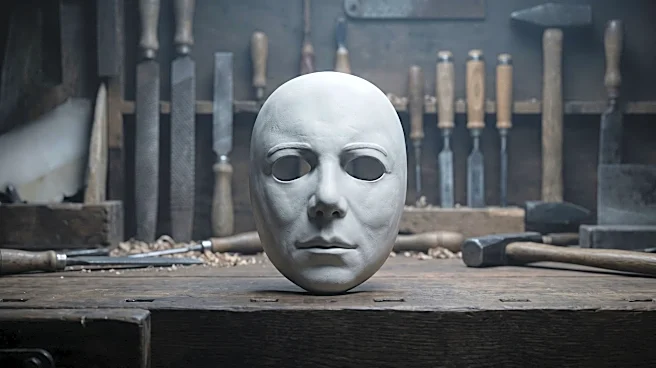
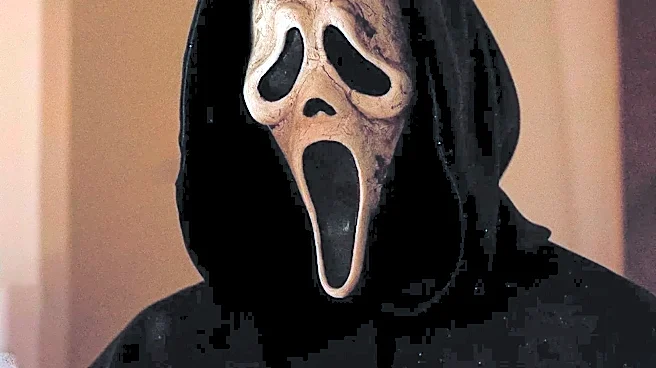
Beyond the character himself, the 'Halloween' brand is fortified by two iconic, inseparable elements: the mask and the music. The mask, a famously modified William Shatner captain Kirk mask painted white, completely erases identity. It’s a void in the shape of a face, devoid of expression save for the shadows that play across it. It's so effective because it’s everything and nothing at the same time. Then there's Carpenter's score. The deceptively simple, driving 5/4 piano theme is instantly recognizable and synonymous with dread. It's the pulse of the franchise, a piece of music that functions as its own character, signaling Michael's presence and building suspense more effectively than any jump scare could. These elements are not just props or background music; they are powerful, non-verbal brand identifiers that immediately communicate 'Halloween' to any audience.
A Universe Built for Retcons
Paradoxically, the franchise’s convoluted and often contradictory timeline has become one of its greatest commercial strengths. The series has been rebooted, remade, and retconned multiple times, creating what has been called a 'Choose Your Own Adventure' of horror franchises. After the original, sequels introduced a sibling connection between Michael and Laurie Strode, a druidic cult, and other mythologies. When those narrative threads grew tired, filmmakers simply wiped the slate clean. The successful 2018 'Halloween' acted as a direct sequel to the 1978 original, ignoring every other film that came in between. This flexibility allows new creators to return to the core concept without being burdened by decades of accumulated lore. It makes the series remarkably accessible for new viewers and allows the brand to refresh itself for a new generation, again and again. While die-hard fans might debate the canon, the studio can effectively hit the reset button whenever a fresh start is needed, ensuring Michael can always return.