





The Spreadsheet as Ticking Clock
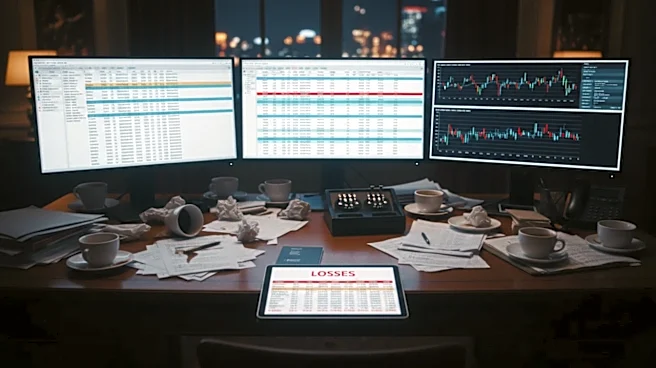
In most stories, a spreadsheet is where drama goes to die. In The Bear, it’s a vital signs monitor for a business on life support. From the moment Carmy (Jeremy Allen White) discovers the shoebox full of his late brother's unpaid bills, the show establishes
that the real enemy isn't a burnt sauce or a late delivery; it’s debt. When Sydney (Ayo Edebiri) presents her meticulously organized financial plans, the numbers on the page carry the weight of their dreams. The show frames profit-and-loss statements not as boring accounting, but as a countdown timer. Will they make payroll? Can they afford the equipment they need? This constant financial pressure makes every culinary decision a high-stakes gamble, turning abstract numbers into a source of palpable, week-to-week anxiety for the characters and viewers alike.
Bureaucracy, The True Final Boss
If financial peril is the constant hum of dread, then bureaucracy is the show's recurring villain. The Bear masterfully turns the mundane struggle against red tape into suspense-filled set pieces. The multi-episode arc of trying to pass the fire suppression test before opening is more nail-biting than many action movies. You can't out-cook a failed gas line or a missing permit. These aren't challenges of culinary skill, but of pure logistical grit. By dramatizing the fight to get the city's approval or hunting down the right paperwork, the show grounds its high-concept culinary artistry in the frustrating reality that many small business owners face. It highlights that passion and talent are often not enough when faced with a mountain of regulations.
Service as a Path to Salvation
The show extends the idea of the “back office” beyond just paperwork; it encompasses the entire machinery of hospitality. No character’s journey illustrates this better than Richie’s (Ebon Moss-Bachrach). Initially resistant to change and seemingly lost, Richie finds his purpose not at the stove, but in the dining room—and the meticulous preparation that happens before a single guest arrives. His time staging at a three-Michelin-star restaurant is a revelation. He learns that service is a craft, that wearing a suit can be like putting on armor, and that anticipating a guest's needs is its own form of art. His transformation from a loud-mouthed obstacle to an indispensable leader of the front-of-house is one of the show's most powerful arcs, proving that the drama of running a restaurant is as much about human connection as it is about food.
The Emotional Bottom Line
Ultimately, The Bear makes the back office compelling because it ties every business decision directly to the emotional lives of its characters. Carmy's obsessive drive for perfection isn't just about earning a Michelin star; it’s about honoring his brother and healing his own trauma. His sister, Natalie “Sugar” Berzatto (Abby Elliott), isn’t just a project manager; she’s the one trying to hold her family and its legacy together, often with a spreadsheet in one hand and a baby monitor in the other. The business isn't just a business; it's the physical manifestation of their grief, ambition, and hope for a second chance. Every financial setback feels like a personal failure, and every small victory, like passing an inspection, feels like a monumental triumph.