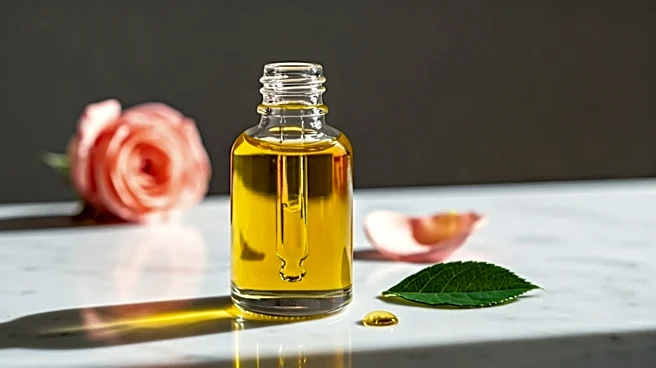










The Science: Like Dissolves Like
The core principle behind oil cleansing is simple chemistry: “like dissolves like.” Throughout the day, your skin produces its own oil (sebum) and accumulates oil-based impurities from makeup, sunscreen, and environmental pollutants. A traditional water-based
cleanser can struggle to break these down effectively, sometimes stripping the skin in the process. An oil cleanser, however, works differently. When massaged into the skin, the cleansing oil bonds with the excess sebum and oily grime, lifting them from your pores without disrupting your skin’s delicate moisture barrier. When you rinse or wipe it away, you take all the dissolved impurities with you, leaving behind a clean but not stripped-feeling canvas.
The Ideal Candidate: Dry and Mature Skin
If you have dry, dehydrated, or mature skin, oil cleansing can feel like a revelation. These skin types are often characterized by a compromised moisture barrier, meaning they lose water more easily and can feel tight or flaky after washing. Foaming cleansers, especially those containing harsh sulfates, can exacerbate this issue by stripping away the natural oils your skin desperately needs. Oil cleansers provide a much gentler alternative. They effectively remove makeup and dirt while leaving a thin, comfortable layer of moisture behind. This helps support the skin barrier, reduces feelings of tightness, and can leave skin looking plumper and more radiant immediately after cleansing.
The Surprise Candidate: Oily and Acne-Prone Skin
This is where most people get skeptical. Why would you add more oil to an already oily face? The answer lies back in the “like dissolves like” principle. A good cleansing oil can effectively dissolve the hardened sebum and plugs that contribute to blackheads and clogged pores. Furthermore, when oily skin is constantly stripped by harsh, drying cleansers, it can sometimes overcompensate by producing even more oil. By using a gentle oil cleanser, you can break this cycle. The key is choosing the right oil—look for non-comedogenic options like jojoba, squalane, or grapeseed oil, which are less likely to clog pores. It’s also crucial for this skin type to follow up with a second cleanse.
When to Proceed with Caution
Oil cleansing isn't a universal solution. For some people, it can indeed lead to more problems. If you have extremely sensitive skin, you might react to certain plant oils or the fragrance they contain. People prone to specific conditions like fungal acne (Malassezia folliculitis) should be particularly careful, as many oils can feed the yeast that causes it. The biggest pitfall, however, is using the wrong product or technique. Slathering on a thick, comedogenic oil like coconut oil and not removing it properly is a common mistake that can lead to congestion and breakouts for almost any skin type. If you notice an increase in clogged pores, whiteheads, or irritation after starting, it might be the wrong oil or method for you.
The Key Is the Double Cleanse
For most people, the secret to successful oil cleansing isn't just about the oil—it's about the follow-up. This is the foundation of the “double cleanse.” The first step is massaging the cleansing oil onto dry skin to dissolve makeup and sebum. The second, and equally important, step is to follow up with a gentle, water-based cleanser. This second wash ensures that all of the oil, along with the dirt and grime it has lifted, is completely removed from your skin. This prevents any oily residue from lingering and potentially clogging pores, which is a common concern for those with oily or acne-prone skin. It gives you the best of both worlds: the deep-cleaning power of oil and the fresh-faced finish of a traditional cleanser.