

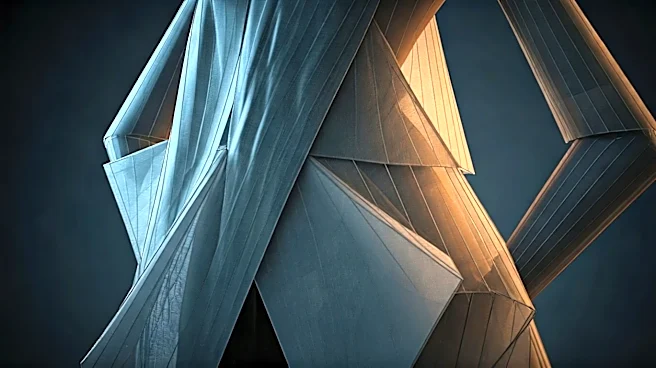


Lightness as the New Luxury
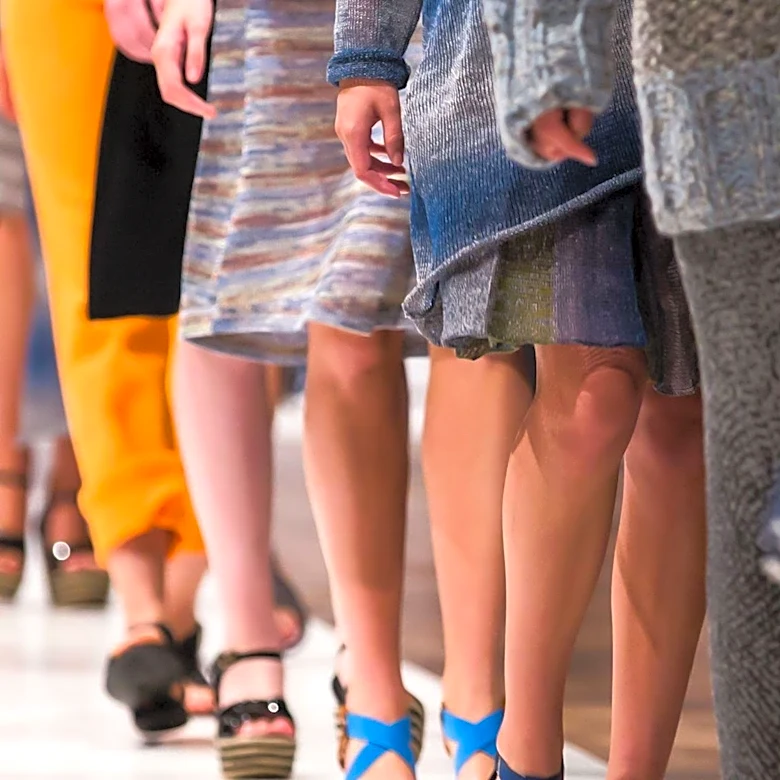
The dominant narrative across the Paris runways was a clear and decisive move towards lightness. As designers contended with a literal heatwave, the collections for SS27 mirrored the climate by embracing fabrics that float, breathe, and reveal. [15] At
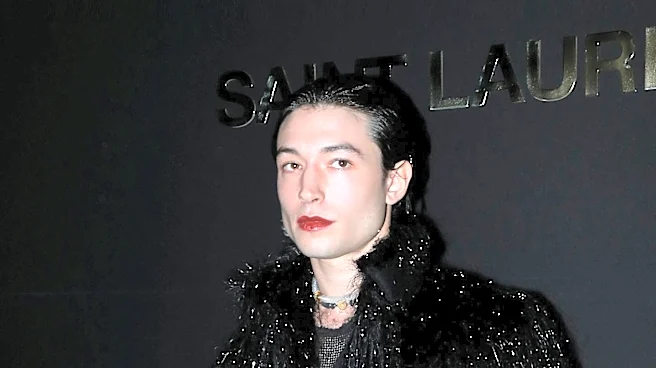
Saint Laurent, creative director Anthony Vaccarello presented featherweight knits that traced the body and airy, colorful windbreakers in technical taffeta. [15] Hermès, a house built on substance, masterfully “aired out” its materials, using open-weave and woven leather techniques to create shirts and jackets that were breathable without sacrificing an ounce of refinement. [11, 14] This wasn't just about using less material; it was about using smarter, more technical fabrics to achieve a feeling of effortless sophistication. The message was clear: in a warming world, true luxury is weightlessness.
The Power of Sheer
Pushing the trend of lightness even further was the prevalence of sheer and transparent fabrics. This season saw designers use mesh, fine knits, and translucent layers to challenge traditional ideas of masculinity and structure. [9] It’s a move that redefines confidence, suggesting a vulnerability and softness that feels modern and provocative. [9] For instance, designers layered fine-gauge knits and mesh to create looks with depth and dimension while still hinting at the body underneath. [9] This wasn't about shock value, but about a new kind of elegance, where the interplay of what’s seen and what’s concealed becomes a core part of the aesthetic. It signals a shift from the heavy, protective layers of past seasons to a more open and expressive way of dressing.
Structure That Breathes
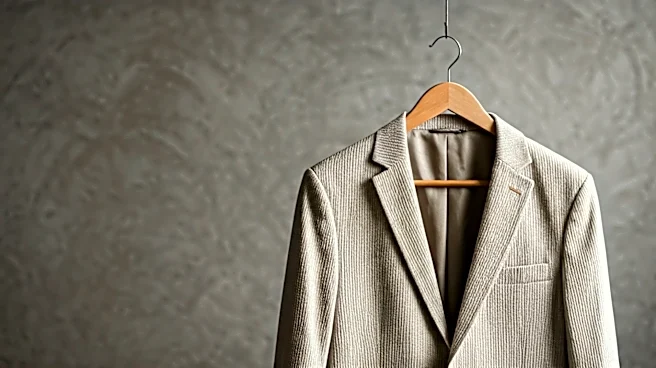
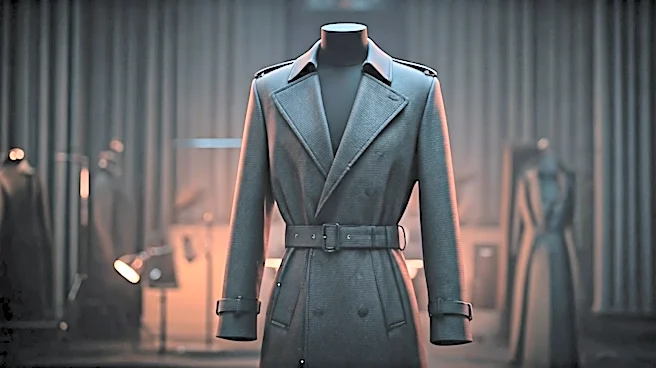
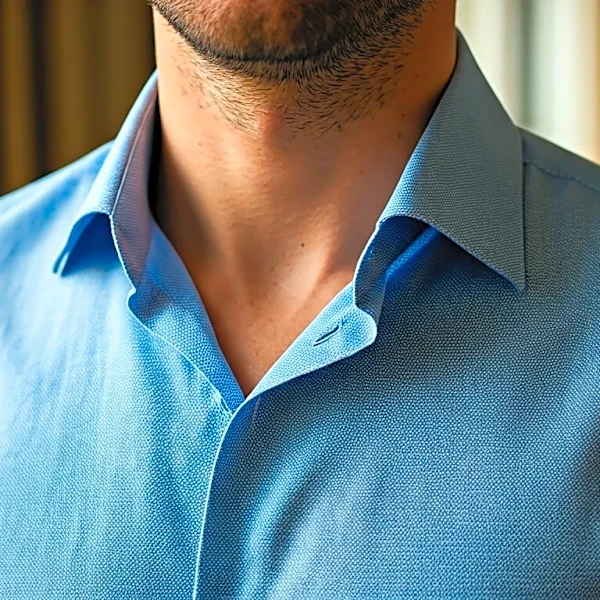
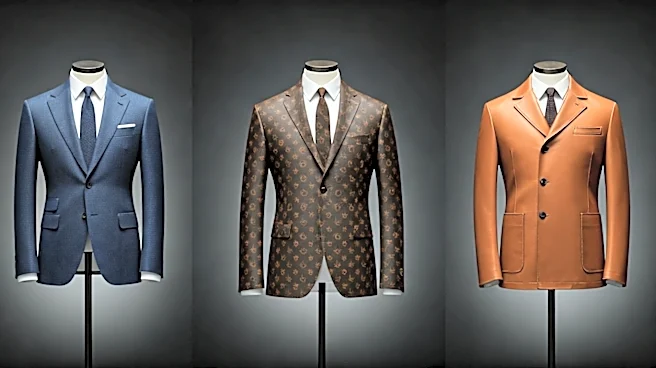
But the story of fabric weight wasn't entirely one-sided. Several designers demonstrated that structure and substance can still have a place in a summer wardrobe, provided the execution is clever. At Dolce & Gabbana, tailoring was softened and deconstructed, with silhouettes opening up to be airy and accommodating. [5] They used lightweight cottons and knitwear to give jackets and even tailored shirts a softer, less restrictive feel. [5] Similarly, trend reports for the SS27 season highlight how even classic menswear fabrics are being refreshed with airy textures, like honeycomb cotton jacquards and cool-cotton fabrics with micro-patterns that are suitable for lightweight jackets. [3] This counter-narrative proves that weight is relative. A jacket can have the authority of a tailored garment but the feel of a shirt, blurring the lines between formal and casual wear. [1]
From the Runway to Your Wardrobe
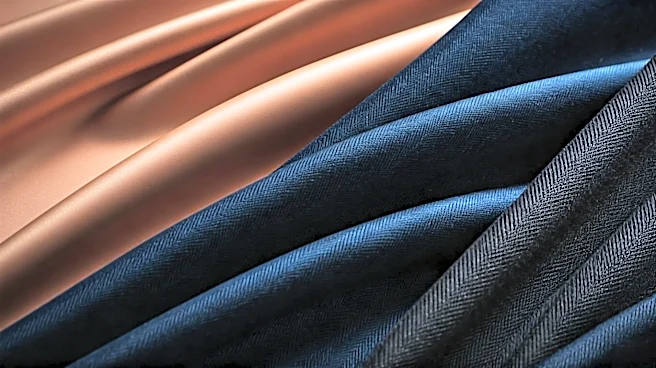
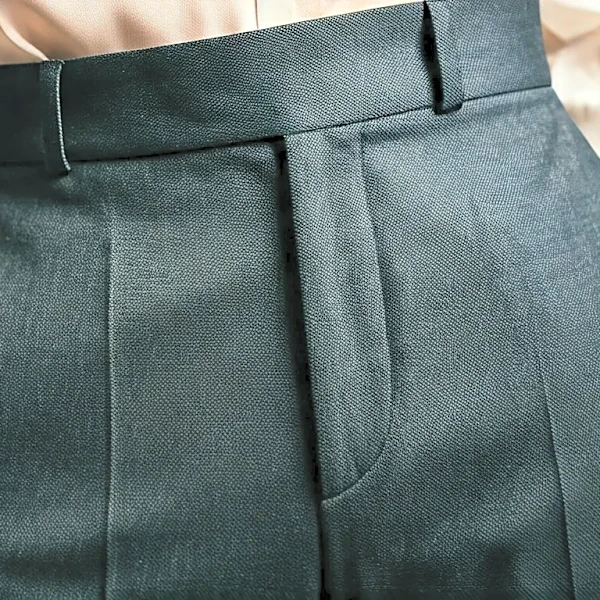
So why does this technical detail matter to anyone outside the industry? Because the decisions made in Paris dictate the feel of menswear for seasons to come. The emphasis on fluid trousers, pyjama-style sets as eveningwear, and deconstructed blazers at houses like Dior and Dries Van Noten signals a broader shift towards ease as the ultimate luxury signal. [1, 2] Climate is now a primary design driver, not just a backdrop. [1] The quality of a garment—whether it reads as premium or disposable—now hinges on the specific weight and drape of its fabric. [1] As you shop for seasons to come, you'll notice this influence: the way a t-shirt drapes, the breathability of a summer suit, or the surprising lightness of a structured jacket. The unsung hero of the runway is quietly reshaping the clothes we all wear.