





The Power of the Megaphone
When Juneteenth became a federal holiday in 2021, television networks saw an opportunity and a responsibility. The result has been a series of high-profile specials, often helmed by some of the biggest names in entertainment. From Oprah Winfrey and CNN's
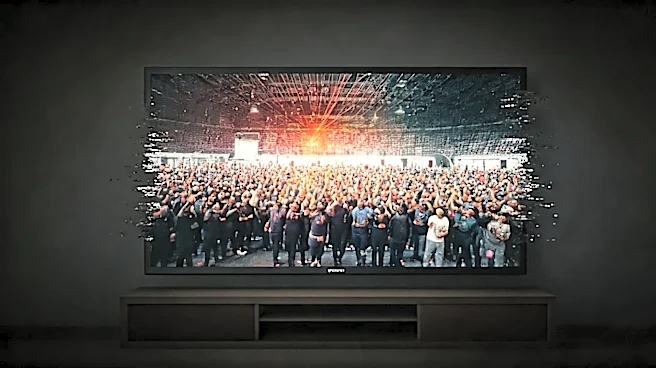
“Juneteenth: A Global Celebration for Freedom” featuring Questlove, to specials produced by ABC News, the A-list host has become a staple. The logic is sound: celebrities are a megaphone. They command attention, attract sponsorships, and guarantee a level of production quality that can elevate the holiday on a national stage. A special hosted by a beloved star is far more likely to draw in casual viewers who may not be familiar with the holiday's deep history, turning a moment of commemoration into a major cultural event. This star power provides a necessary vehicle to carry the message of Juneteenth—freedom, perseverance, and the ongoing struggle for equality—to millions of American living rooms.
The Authenticity Gap
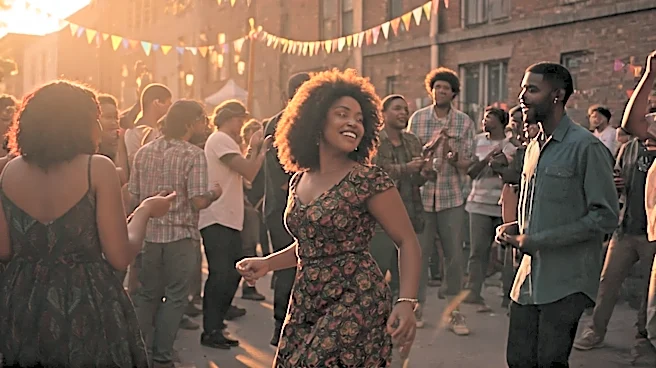
The challenge, however, is that a megaphone can sometimes drown out the very voices it’s meant to amplify. Critics and community members have rightfully pointed out that some Juneteenth specials risk becoming just another star-studded concert. When the focus is overwhelmingly on musical performances and celebrity interviews, the historical weight and hyper-local origins of the holiday can feel like an afterthought. Juneteenth began with Black communities in Galveston, Texas, celebrating their delayed emancipation in 1865. For over a century, it was kept alive through local parades, church services, potlucks, and oral histories passed down through generations. An overproduced special that parachutes in celebrities without meaningfully connecting to this legacy can create an “authenticity gap.” It can feel less like a commemoration of a hard-won freedom and more like a branding opportunity, flattening a complex piece of American history into easily digestible primetime entertainment.
A Blueprint for Balance
So, how can producers strike the right chord? The solution isn't to ditch celebrities, but to redefine their role. Instead of being the sole focus, they can act as conduits, using their platform to shine a light on the real stories. The best specials do this by weaving celebrity presence with powerful, community-focused elements. Imagine a structure where a major star introduces a documentary-style segment featuring a historian from Galveston, or interviews the director of a local Black-owned museum. Instead of just another performance, a musician could collaborate with a church choir from a historically significant neighborhood. The key is integration, not just juxtaposition. It means committing airtime and production resources to non-famous voices: the activists, the educators, the elders, and the descendants of those who first celebrated that fateful day in Texas. It's about using the celebrity draw to bring an audience to the table, then serving them a meal rich with history and genuine community flavor.
More Than a Concert, More Than a History Lesson
The most successful Juneteenth broadcasts understand they must be two things at once: a joyful celebration and a solemn remembrance. This duality is the heart of the holiday itself. It is a party with a purpose. Specials that achieve this balance often move beyond a simple concert format. They might incorporate spoken word poetry that tackles the pain of slavery alongside the joy of freedom. They might feature vignettes that explain the significance of traditions like red-colored foods. Producers like Questlove, with his deep knowledge of music history, and Pharrell Williams have shown an aptitude for curating events that feel both culturally resonant and massively entertaining. These creators prove that it’s possible to produce a show that is both commercially viable and culturally credible. They recognize that the goal is not to create a dry history lesson or a hollow pop concert, but a vibrant cultural tapestry that honors the past while speaking to the present.