






The Allure of the Showstopper
There are some performances you can’t ignore. They are loud, physical, and transformative. These are the showstoppers, the roles that involve dramatic weight changes, uncanny vocal impersonations, and explosive emotional scenes that feel destined to become
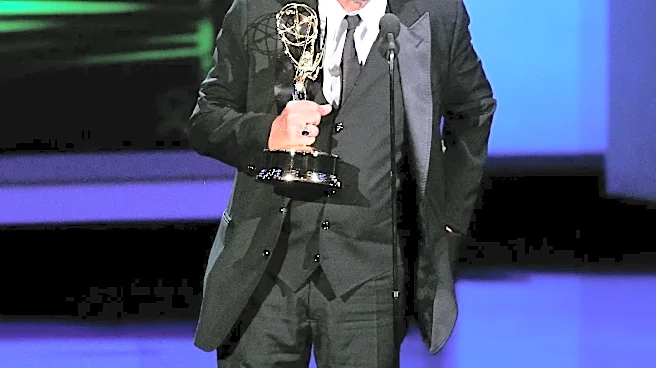
classic awards-show clips. This year, the archetype was perfectly embodied by Charlie Hunnam’s win for Lead Actor in a Limited Series for his chilling portrayal of Ed Gein in “Monster.” It’s a performance of immense technical skill, requiring extensive prosthetics and a deeply unsettling psychological dive. Voters love this kind of work because it’s tangible. You can see the acting. The effort is visible, the transformation is undeniable, and the sheer volume of the performance makes it feel significant and worthy of recognition.
The Power of the Quiet Performance
On the other side of the coin is the quiet performance. This is the acting of stillness, of thoughts that flicker behind the eyes, and of emotions conveyed in a half-sigh or a tensed jaw. It doesn't demand your attention; it earns it. This year's prime example was the critically adored work of Gary Oldman in the final season of "Slow Horses". As the perpetually unimpressed spy Jackson Lamb, Oldman delivered a masterclass in understated gravitas, where the most important moments happened between the lines of dialogue. These roles are often harder to reward. They can feel so natural, so lived-in, that viewers and voters might not even register it as “acting.” It’s a paradox: the more successful the actor is at disappearing into a realistic, subtle character, the less likely they are to be noticed by awards bodies looking for spectacle.
Why 'More' So Often Wins
The preference for the showstopper isn't just about what’s easy to spot; it’s baked into the psychology of awards. Voters watch dozens, if not hundreds, of screeners. A performance that shouts for attention is more likely to cut through the noise than one that whispers. A big, emotional scene provides a clear, digestible moment of “greatness” that can be easily recalled when filling out a ballot. A quiet performance, conversely, relies on a cumulative effect. Its power is built across an entire season, in moments that might not stand out individually but create a profound whole. In a competitive field, the performance that makes the biggest splash is often the one that stays afloat in a voter's memory.
Is It a Flawed Competition?
Ultimately, pitting these two styles of acting against each other is like asking a judge to choose between a powerlifter and a ballet dancer. Both require immense skill, discipline, and talent, but they are fundamentally different disciplines. A showstopping performance tests an actor’s ability to externalize and project, to build a character from the outside in. A quiet performance is a test of interiority, of trusting the audience to lean in and meet them halfway. The Emmy, like the Oscar, is a blunt instrument designed to reward the “best,” but that term is hopelessly subjective when the crafts being compared are so different. The annual debate isn't really about which actor was better, but about what kind of acting we, as a culture, choose to value.