




The On-Paper Mismatch
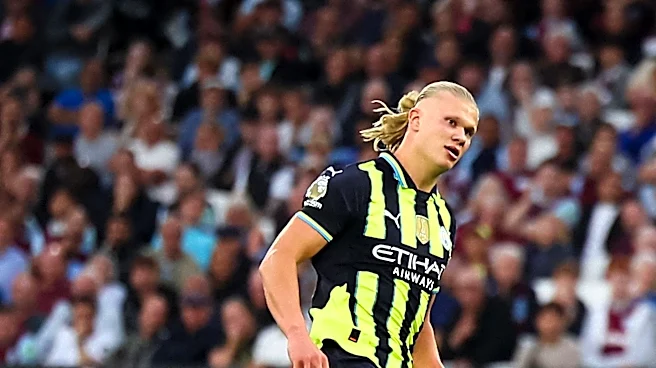
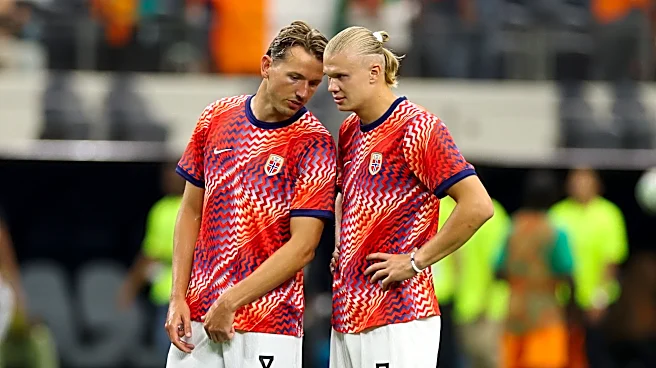
Before the whistle, a knockout match can look like a foregone conclusion. Take the recent Round of 16 clash between Brazil and Norway. One side, a five-time champion, boasting a squad dripping with world-class talent from Europe’s biggest clubs. The other,
a hardworking, organized team, but one given little chance against the Brazilian juggernaut. Pundits predicted a comfortable win for Brazil; the only question seemed to be by how many goals. This is the classic tournament setup: a David, armed with a slingshot and a game plan, facing a Goliath who might not see the threat until it’s too late.
The Coach's Calculated Gamble
This is where the story shifts from talent to tactics. Underdog managers know they cannot win a pure footballing contest. Instead, they must create a mismatch. The common blueprint in modern soccer is clear: surrender possession, stay compact, and frustrate. Teams will drop into a “low block,” with ten players behind the ball, forming two tight, disciplined lines of defense. The goal is to clog all the central passing lanes, forcing the favorite into wide areas or speculative long shots. You're essentially telling the superstar opponent, "You can have the ball, but you can't have the space." It’s a game of psychological attrition, designed to turn the favorite's strength—their technical superiority—into a source of frustration.
From Blueprint to Victory
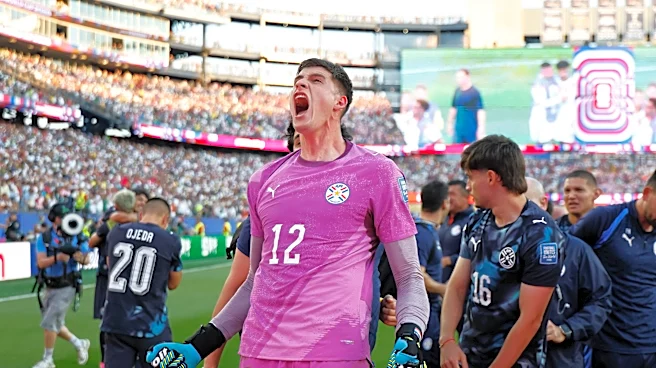
A plan is one thing; execution is everything. Against Brazil, Norway demonstrated this perfectly. For the first hour, they soaked up pressure, making tackles, blocking shots, and maintaining their defensive shape. Brazil had the ball, but as we saw with Germany in their shocking loss to Paraguay, possession without a purpose is just passing. As the favorite gets desperate, they push more players forward, leaving space behind them. That’s the moment the underdog is waiting for. A single, quick turnover, a lightning-fast counter-attack, and a clinical finish can change everything. Norway's winning goal came from just such a sequence, exploiting the space Brazil left as they chased a winner. Suddenly, the tactical mismatch flips; the underdog’s defensive discipline creates the attacking opportunity they needed.
More Than Just One Game
A single upset like this does more than just decide one match; it becomes the defining narrative of a tournament. It cements the legacy of the underdog’s players and coach. It proves, once again, that in a knockout format, organization, and belief can triumph over a massive talent gap. These results send ripples through the entire competition. Other, smaller nations see the blueprint and are emboldened. The giants are reminded that no team is invincible. This 2026 World Cup has been a testament to this, with teams like Morocco and Paraguay also eliminating European powerhouses by using disciplined, tactical game plans. These aren't flukes; they represent a tactical trend where structure can neutralize stardom.